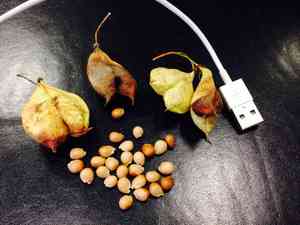
Bladdernuts (Staphylea) (Staphylea)
Also known as: Bladdernut
Bladdernuts, belonging to the Staphylea genus, are versatile deciduous shrubs or small trees suitable for gardens. They are particularly valued for their aesthetic appeal and adaptability.
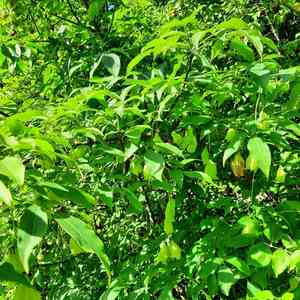
1. **Foliage and Form**: Bladdernuts have trifoliate or pinnate leaves that provide a lush green backdrop in spring and summer, turning a striking yellow in fall.
2. **Flowering**: In mid-spring, they produce clusters of small, bell-shaped flowers that range from white to pale pink, adding a delicate beauty to the garden.
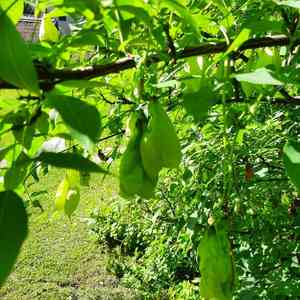
3. **Seed Pods**: Post-bloom, they develop distinctive bladder-like seed pods that persist into fall, offering additional visual interest.
4. **Growth Habits**: They exhibit a compact growth form, making them suitable for various garden sizes and styles.
**Applications in Gardens**:
- **Ornamental Use**: Their attractive foliage, flowers, and seed pods make them excellent ornamental plants.
- **Wildlife Attraction**: Dense foliage provides shelter for birds and other small wildlife.
- **Natural Gardens**: Ideal for woodland or naturalized garden areas due to their partial shade tolerance.
- **Screening and Privacy**: Effective for creating natural screens or windbreaks.
Bladdernuts are hardy and low-maintenance, making them a valuable addition to many garden settings.
Attributes of Bladdernuts (Staphylea)
Images of Bladdernuts (Staphylea)
 How to Water Bladdernuts (Staphylea)?
  What Are the Sunlight Requirements for Bladdernuts (Staphylea)?
  What Is the Ideal Temperature Range for Bladdernuts (Staphylea)?
  What Soil is Best for Bladdernuts (Staphylea)?
  How to Fertilize Bladdernuts (Staphylea)?
  How to Prune Bladdernuts (Staphylea)?
  How to Propagate Bladdernuts (Staphylea) plant?
 How to Repot Bladdernuts (Staphylea) plant?

