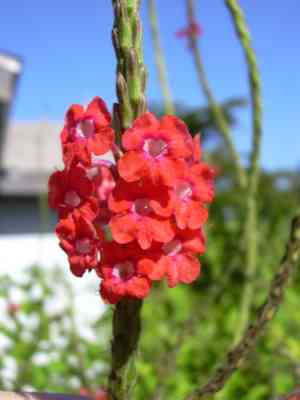
Changeable velvetberry (Stachytarpheta mutabilis)
Also known as: Coral porterweed, Pink snakeweed
The **changeable velvetberry** is a tropical perennial shrub indigenous to Mexico, the Caribbean, and parts of South America. It is often cultivated as an ornamental plant for its stunning flowers, which transition from red to pink over time, drawing butterflies to gardens.
In This Article
Attributes of Changeable velvetberry
Lifespan
Perennial
Plant Type
Herb
Plant Height
1-1.5 meters
Spread
0.5-1 meters
Leaf Color
Green
Flower Size
Up to 1 cm
Flower Color
Pink, Purple
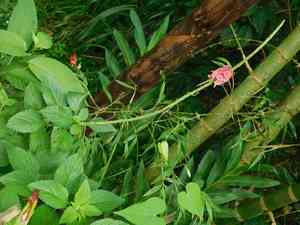
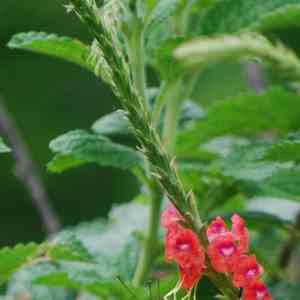
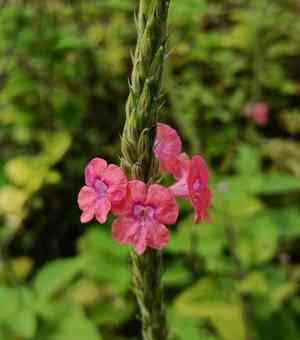
Images of Changeable velvetberry

Quickly Identify Changeable velvetberry
1
Identify Stachytarpheta mutabilis by its tall, erect spikes of pink to purple flowers, opposite leaves with serrated edges, and somewhat woody stems. The plant often grows in a bushy form and attracts butterflies.
Scientific Classification of Changeable velvetberry
Phylum
Vascular plants
Class
Dicotyledons
Order
Lamiales
Family
Verbena
Genus
Porterweeds
Species
Changeable velvetberry
Planting and Growing of Changeable velvetberry
Care Difficulty
Easy
Watering Schedule
Every 8 days
Sunlight Requirements
Full sun
Sunshine Duration
4-6 hours
Ideal Temperature
65-85℉
Soil Type
Potting Mix, Peat Mix
Soil pH
6.5-7.5
Fertilizer Type
Balanced
Pruning Season
Spring, Summer
Pruning Area
Branches, Leaves
Pruning Frequency
2 times a year
Repotting Season
Spring
Pot Type
Plastic, Ceramic
 How to Water Changeable velvetberry?
For Stachytarpheta mutabilis, ensure each watering session provides about 200ml of water. The aim is to soak the topsoil thoroughly without causing waterlogging. This plant thrives when soil moisture is consistent, but never swampy. Aim for even moisture throughout the soil, allowing the plant’s roots to absorb water efficiently without standing in stagnant water.
What are the symptoms of an underwatered Changeable velvetberry?
›
What should I do if my Changeable velvetberry is not getting enough water?
›
What are the symptoms of an overwatered Changeable velvetberry?
›
How to save an overwatered Changeable velvetberry?
›
 What Are the Sunlight Requirements for Changeable velvetberry?
Stachytarpheta mutabilis thrives in full sun to partial sun, benefiting from 6 to 8 hours of light per day. Adequate lighting ensures its vibrant blooms and lush growth, maintaining its ornamental appeal and health.
What is the best location for Stachytarpheta mutabilis?
›
How to ensure ideal lighting indoors?
›
What benefits arise from ideal lighting?
›
 What Is the Ideal Temperature Range for Changeable velvetberry?
The ideal temperature range for Stachytarpheta mutabilis is between 65°F to 85°F. This range ensures optimal growth and blooming, providing the best conditions for photosynthesis and nutrient assimilation.
 What Soil is Best for Changeable velvetberry?
Stachytarpheta mutabilis thrives best in well-draining soil to prevent root rot. The ability of the soil to efficiently drain allows vital oxygen to reach the roots, promoting healthy growth and vibrant blooms. This plant benefits from soil enriched with organic matter, providing essential nutrients. The richness in nutrients leads to more robust growth and a vigorous plant capable of withstanding environmental stressors. The soil should balance moisture retention without becoming waterlogged. This helps maintain appropriate hydration without suffocating roots, fostering overall plant health and consistent flowering.
 How to Fertilize Changeable velvetberry?
For Stachytarpheta mutabilis, use a balanced fertilizer with an N-P-K ratio of 10-10-10 or 20-20-20. For liquid fertilizers, dilute to half strength and apply one cup per plant. Granular fertilizers should be sprinkled at the base, using about 1 ounce per plant.
 How to Prune Changeable velvetberry?
Avoid pruning during excessively hot or wet weather. Pruning in unfavorable conditions can stress the plant or increase susceptibility to fungal infections. Choose a mild, dry day for optimal results. While pruning can be done throughout multiple seasons except winter, it's best to avoid heavy pruning in late autumn, as the plant needs time to prepare for dormancy. Light pruning can still be carried out to remove any damaged parts.
More About Pruning Techniques→
 How to Propagate Changeable velvetberry plant?
1
Start by soaking the seeds overnight in warm water to break dormancy and enhance germination rates. After soaking, sow the seeds in well-draining soil in seed trays.
2
Select healthy, non-flowering stems during late spring to early summer. Cut a 4-6 inch segment using sterilized pruning shears just below a node for best results.
3
Division should be performed when the plant is mature, carefully separating the root clumps ensuring each section has a healthy root system and shoots.
 How to Repot Changeable velvetberry plant?
1
Repot Stachytarpheta mutabilis when you notice roots emerging from the drainage holes or the growth appears stunted. Spring is ideal, as it provides a growing season for recovery. Healthy root systems benefit from fresh soil, boosting growth and vibrancy.
2
Select a pot that is 2 inches larger in diameter than the current one, with good drainage. This prevents waterlogging and promotes healthy root development. A proper-sized pot ensures stability and reduces risk of overwatering.
3
Use a well-draining potting mix, enriched with organic matter. This ensures adequate aeration and moisture retention without sogginess. A good mix mimics the plant's natural habitat, encouraging robust growth and vibrant flowering.



