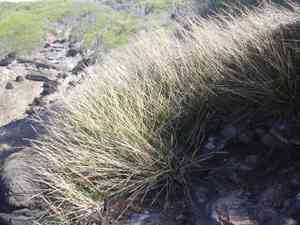
Dropseeds (Sporobolus) (Sporobolus)
Also known as: Dropseeds
Dropseeds grasses, often found in prairies and along railroad tracks, thrive in diverse soils, including black soil. They are ideal for ornamental use due to their low-maintenance needs, airy and open panicles, and striking golden-bronze hues that appear in mid-to-late summer. Their natural adaptability and seasonal beauty enhance garden landscapes.
In This Article
Attributes of Dropseeds (Sporobolus)
Lifespan
Perennial
Plant Height
20 - 150 cm
Spread
N/A
Leaf Color
Green
Flower Size
N/A
Flower Color
Greenish
Images of Dropseeds (Sporobolus)
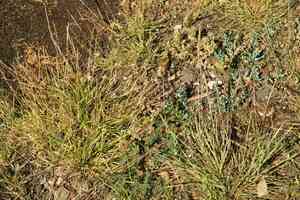
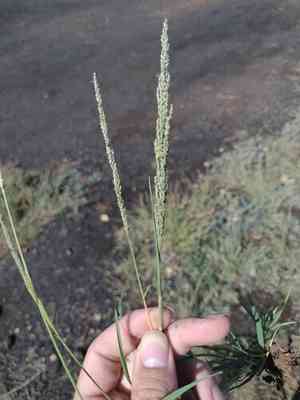
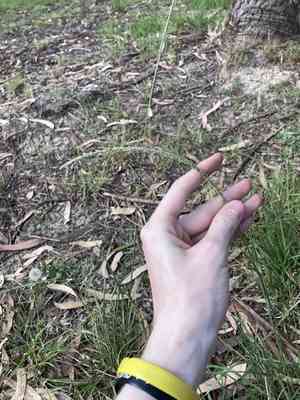
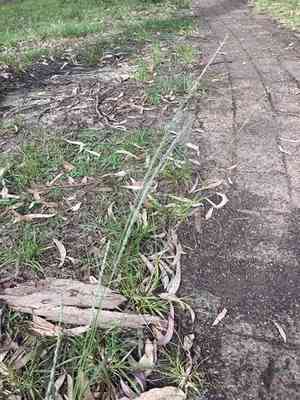
Quickly Identify Dropseeds (Sporobolus)
1
Sporobolus species can be identified by their small, rounded seeds that drop easily from the plant, narrow leaves, and often tufted growing habits.
Scientific Classification of Dropseeds (Sporobolus)
Phylum
Magnoliophyta
Class
Liliopsida
Order
Poales
Family
Poaceae
Genus
Sporobolus
Planting and Growing of Dropseeds (Sporobolus)
Care Difficulty
Moderate
Watering Schedule
Every 2 days
Sunlight Requirements
Full sun
Sunshine Duration
6-10 hours
Ideal Temperature
60-77℉
Soil Type
Potting Mix, Peat Mix
Soil pH
5.5-8.5
Fertilizer Type
Balanced
Pruning Season
Spring, Summer
Pruning Area
Branches, Leaves
Pruning Frequency
Once a year
Repotting Season
Spring
Pot Type
Plastic, Terracotta
 How to Water Dropseeds (Sporobolus)?
Sporobolus requires a moderate watering approach, ensuring the soil remains slightly moist but not waterlogged. Each watering session should provide around 200 ml of water, which allows for optimal hydration without risking root rot.
What are the symptoms of an underwatered Dropseeds (Sporobolus)?
›
What should I do if my Dropseeds (Sporobolus) is not getting enough water?
›
What are the symptoms of an overwatered Dropseeds (Sporobolus)?
›
How to save an overwatered Dropseeds (Sporobolus)?
›
 What Are the Sunlight Requirements for Dropseeds (Sporobolus)?
Sporobolus thrives best under full to partial sun conditions. Adequate sunlight encourages optimal growth and vibrant foliage by enhancing photosynthesis efficiency and nutrient absorption.
How often should Sporobolus be exposed to light?
›
How to ensure ideal lighting conditions for Sporobolus?
›
What are the benefits of providing ideal lighting?
›
 What Is the Ideal Temperature Range for Dropseeds (Sporobolus)?
For optimal growth, Sporobolus thrives best within a temperature range of 60°F to 77°F. This range allows the plant to efficiently perform its physiological processes, leading to robust growth and health. Ensuring adequate sunlight while maintaining this temperature range is essential for the development of healthy foliage.
 What Soil is Best for Dropseeds (Sporobolus)?
Sporobolus thrives best in well-drained soils, ensuring good water retention without waterlogging. This condition allows the roots to breathe and prevents root rot, promoting healthier growth. It prefers soils of moderate fertility where essential nutrients are available but not excessive. This balance supports steady growth without encouraging excessive foliage at the expense of flowering. While the soil should be well-drained, having some moisture retention capability is beneficial. This ensures the plant has access to water during hotter periods, which is crucial for sustained growth.
 How to Fertilize Dropseeds (Sporobolus)?
For Sporobolus, the amount of fertilizer should be modest and aligned with its size and growth stage. Typically, use a balanced 10-10-10 or 20-20-20 fertilizer, diluting liquid formulations to half the recommended strength. Apply approximately 1/4 cup of slow-release granules per plant annually, ensuring even coverage around the root zone.
 How to Prune Dropseeds (Sporobolus)?
While pruning can spruce up your Sporobolus plants, excessive cutting can stress the plant, stunting growth and reducing its resilience against environmental stressors. Always err on the side of caution by removing less rather than more. Sterilize pruning tools before use to prevent the transmission of pathogens. This can be easily done by dipping your shears in a solution of diluted bleach or alcohol. A clean cut promotes quick healing and reduces the risk of disease.
 How to Propagate Dropseeds (Sporobolus) plant?
1
Fill the seed tray with a well-draining seed-starting mix and moisten it lightly. Ensure that the medium is evenly dampened to provide a hospitable environment for seed germination.
2
Place Sporobolus seeds on the surface of the medium and lightly press them in. Do not cover them heavily with soil as they require light for germination.
3
Carefully dig up the plant in early spring and separate clumps with a sharp spade or knife. Ensure that each section has sufficient roots before replanting.
 How to Repot Dropseeds (Sporobolus) plant?
1
Knowing when to repot your Sporobolus is crucial. If you notice roots breaking through the pot's drainage holes or the growth has significantly slowed down despite proper care, it's time to consider repotting. These signs indicate that the plant has likely outgrown its current space, and changing the pot will give its roots more room to spread and the plant new nutrients to thrive.
2
Selecting the right pot for your Sporobolus can make a big difference. Choose a pot that is one size larger than the current one, with ample drainage holes to prevent waterlogging. A terracotta pot can be beneficial as it allows good air circulation around the roots, helping prevent any fungal growth. Aesthetic considerations aside, the pot must provide sufficient space for root expansion without cramping the new growth.
3
The right soil is vital for Sporobolus when repotting. Opt for a well-draining sandy mix that mimics its natural habitat. This type of soil not only supports adequate drainage but also provides the necessary aeration, helping prevent root rot. Adding a bit of organic matter can further enrich the soil, offering a wholesome environment for the plant's new growth.

