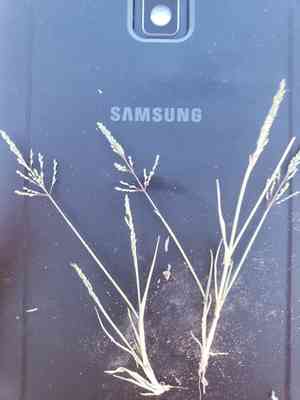
Madagascar dropseed (Sporobolus pyramidatus)
Also known as: None
Madagascar dropseed (Sporobolus madagascariensis) is a perennial grass well-suited to arid environments. It features slender, wiry stems and fine-textured leaves that give it a light, airy look. Key adaptations include:
1. **Narrow Leaves**: These reduce water loss and are efficient in hot, dry climates.
2. **Tall, Pyramidal Inflorescences**: These structures enhance seed dispersal, ensuring reproduction even in challenging conditions.
3. **Robust Root System**: This allows the plant to access deep water sources and survive in nutrient-poor soils.
These attributes collectively enable Madagascar dropseed to thrive in open, arid habitats.
In This Article
Attributes of Madagascar dropseed
Lifespan
Annual, Perennial
Plant Type
Grass
Plant Height
0.5 to 1.5 meters
Spread
N/A
Leaf Color
Green
Flower Size
Small, typically less than 1 cm across
Flower Color
Greenish to brownish
Images of Madagascar dropseed
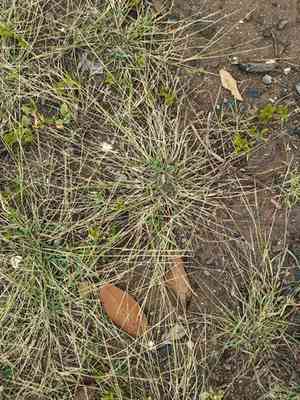
Quickly Identify Madagascar dropseed
1
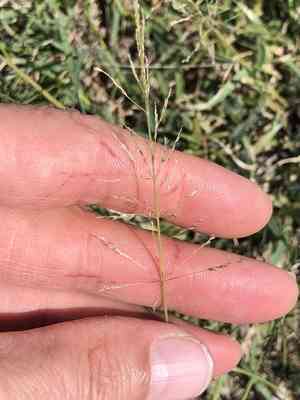
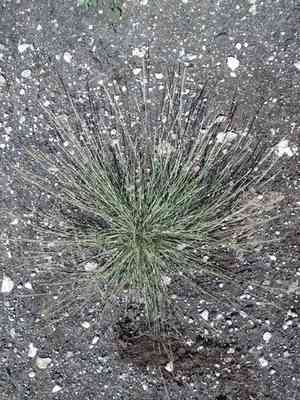
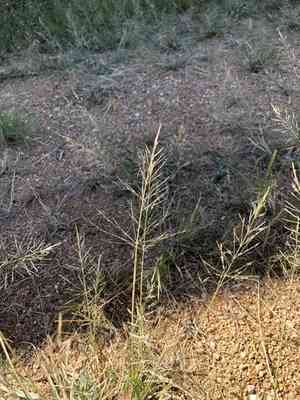
This grass can be identified by its pyramidal-shaped inflorescence, narrow leaves, and generally upright growth habit. The inflorescences are often open and airy.
Scientific Classification of Madagascar dropseed
Phylum
Vascular plants
Class
Monocotyledons
Order
Poales
Family
Grass
Genus
Dropseeds
Species
Madagascar dropseed
Planting and Growing of Madagascar dropseed
Care Difficulty
Easy
Watering Schedule
Every 2 days
Sunlight Requirements
Full sun
Sunshine Duration
6-10 hours
Ideal Temperature
68-77℉
Soil Type
Potting Mix, Peat Mix
Soil pH
6.5-7.5
Fertilizer Type
Balanced
Pruning Season
Spring, Summer
Pruning Area
Branches, Leaves
Pruning Frequency
2 times a year
Repotting Season
Spring
Pot Type
Plastic, Ceramic
 How to Water Madagascar dropseed?
Sporobolus pyramidatus enjoys a decent soak, ensuring the water permeates the soil to about 10 inches deep. This depth allows the roots to sufficiently absorb moisture without stagnation. A well-draining soil is crucial to achieve proper hydration, ensuring excess water is not left to pool around the roots.
What are the symptoms of an underwatered Madagascar dropseed?
›
What should I do if my Madagascar dropseed is not getting enough water?
›
What are the symptoms of an overwatered Madagascar dropseed?
›
How to save an overwatered Madagascar dropseed?
›
 What Are the Sunlight Requirements for Madagascar dropseed?
Sporobolus pyramidatus thrives in full to partial sun, ideally receiving 6 to 8 hours of sunlight. Ideal lighting conditions enhance photosynthesis, boost growth, and improve plant vigor.
What is the optimal lighting for Sporobolus pyramidatus?
›
How to ensure Sporobolus pyramidatus receives ideal light?
›
What are the benefits of ideal lighting for Sporobolus pyramidatus?
›
 What Is the Ideal Temperature Range for Madagascar dropseed?
Sporobolus pyramidatus thrives best within an ideal temperature range of 68°F to 77°F. This range ensures optimal photosynthesis, promoting healthy growth and vibrant development. Proper temperature management within this range supports the plant's metabolic processes and helps it achieve its full potential.
 What Soil is Best for Madagascar dropseed?
Sporobolus pyramidatus thrives best in well-drained soil, which prevents waterlogging and root rot. Ensuring proper drainage allows roots to access air pockets within the soil, contributing to healthy growth and development. This plant benefits from soil that is rich in organic matter, providing essential nutrients required for robust growth. Incorporating compost or manure can boost vitality, offering a sustainable approach to maintain soil fertility. Sporobolus pyramidatus prefers a slightly alkaline environment, ensuring nutrient availability while minimizing the risk of nutrient lockout. Maintaining the pH around 6.5 to 7.5 helps optimize uptake efficiency.
 How to Fertilize Madagascar dropseed?
For Sporobolus pyramidatus, use a balanced fertilizer with a ratio of 10-10-10, applying approximately 1 teaspoon per square foot of soil surface for slow-release fertilizers, and dilute liquid fertilizers to half strength before applying.
 How to Prune Madagascar dropseed?
Begin by removing any dead, damaged, or diseased stems. This encourages healthy growth and improves the overall appearance of the plant. Trim back overgrown areas to maintain its pyramid-like shape, ensuring even light distribution. Regular trimming helps control the plant's size and shape, preventing it from becoming too unwieldy or losing its attractive structure. Focus on cutting near the base to encourage the grass to grow densely, promoting a lush appearance.
More About Pruning Techniques→
 How to Propagate Madagascar dropseed plant?
1
Begin by filling a seed tray with sterile potting mix. Sow the seeds evenly over the surface and lightly cover them with additional mix. Keep the tray in a warm area with indirect sunlight and maintain consistent moisture until germination.
2
Carefully dig up the plant and separate it into smaller sections using a sharp knife or pruning shears. Each section should have a healthy root system attached. Replant the divisions immediately to prevent root drying.
3
Once the seedlings have developed a few sets of leaves, they can be transplanted into larger pots. Take care not to damage the roots during transplanting and ensure the soil is moist to help the plant settle in its new container.
 How to Repot Madagascar dropseed plant?
1
Keep an eye on the roots becoming visible at the bottom of the pot or growth seeming stunted. These are signals that it's time to give Sporobolus pyramidatus a new home, ideally during spring or summer when the plant is actively growing. This gives it the best chance to acclimate to its new environment.
2
Opt for a pot slightly larger than the current one with sufficient drainage holes. This ensures space for growth and good air circulation, preventing root rot and overwatering. A terracotta pot is ideal as it allows moisture to escape, promoting a healthy root environment.
3
Choose well-drained sandy loam for repotting. This soil mix mimics the natural habitat and provides excellent drainage, ensuring roots don't sit in water, thus promoting healthy root systems and preventing fungal problems.



