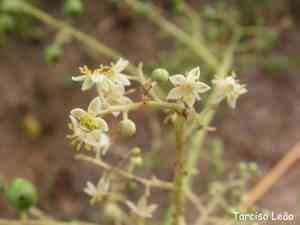
Yellow mombin (Spondias mombin)
Also known as: Arbol uvo, Gully plum, Spanish plum, Jobo, Caja fruit
The banana tree, originally from the tropical regions of South America and the West Indies, was brought to South Asia by Portuguese explorers in the 17th century. It yields large clusters of edible fruits that become yellow as they ripen.
In This Article
Attributes of Yellow mombin
Lifespan
Perennial
Plant Type
Tree
Plant Height
20-25 meters
Spread
10-15 meters
Leaf Color
Green
Flower Size
0.5-1 cm
Flower Color
White Yellow
Images of Yellow mombin
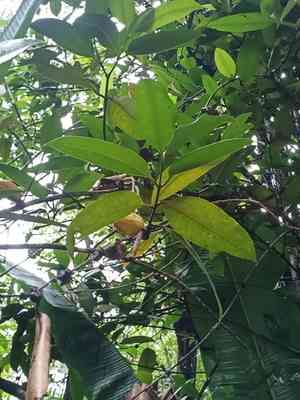
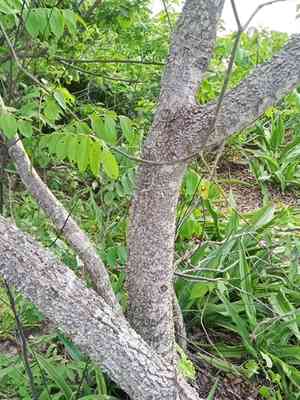
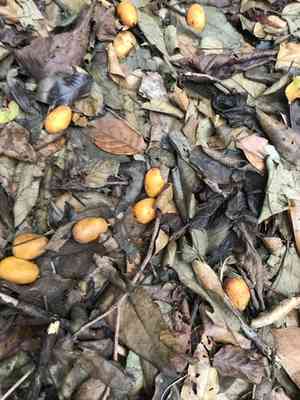
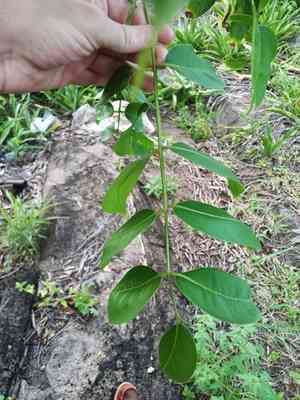
Quickly Identify Yellow mombin
1
To identify Spondias mombin, look for a deciduous tree that can grow up to 20-25 meters in height. Its leaves are pinnate, consisting of 5 to 8 pairs of oblong leaflets with a terminal leaflet. The tree produces small yellow-green flowers, and its fruits are oval-shaped drupes, turning yellow when ripe.
Scientific Classification of Yellow mombin
Phylum
Vascular plants
Class
Dicotyledons
Order
Sapindales
Family
Cashew
Genus
Hog Plums
Species
Yellow mombin
Planting and Growing of Yellow mombin
Care Difficulty
Easy
Watering Schedule
Every 4 days
Sunlight Requirements
Full sun
Sunshine Duration
4-8 hours
Ideal Temperature
75-85℉
Soil Type
Potting Mix, Peat Mix
Soil pH
6.5-7.5
Fertilizer Type
Balanced
Pruning Season
Spring, Summer
Pruning Area
Branches, Leaves
Pruning Frequency
2 times a year
Repotting Season
Spring
Pot Type
Plastic, Ceramic
 How to Water Yellow mombin?
For Spondias mombin, ensure that you water it such that the soil is thoroughly moist but not waterlogged, as this plant thrives in consistently moist soils. A deep soak using about 500ml allows the roots to hydrate fully while preventing potential root rot.
What are the symptoms of an underwatered Yellow mombin?
›
What should I do if my Yellow mombin is not getting enough water?
›
What are the symptoms of an overwatered Yellow mombin?
›
How to save an overwatered Yellow mombin?
›
 What Are the Sunlight Requirements for Yellow mombin?
For Spondias mombin, the ideal light conditions are a mix of full sun to partial sun exposure. Optimal light improves photosynthesis, encouraging healthy growth, increased fruit yield, and vigorous flowering.
More About Sunlight Requirements Techniques→
Optimal Light Levels
›
Sun Exposure Solutions
›
Benefits of Ideal Sunlight
›
 What Is the Ideal Temperature Range for Yellow mombin?
The ideal temperature range for Spondias mombin falls between 75°F and 85°F. This tropical fruit tree thrives in warm environments that resemble its native habitat. Maintaining these temperatures ensures optimal growth and fruit production, while also supporting overall plant health and vigor.
 What Soil is Best for Yellow mombin?
Spondias mombin thrives in soils that are rich in nutrients. Fertility in the soil ensures robust growth and fruit production, providing the plant with essential vitamins and minerals necessary for healthy foliage and fruit quality. A well-draining soil prevents waterlogging, which Spondias mombin does not tolerate well. Proper drainage ensures that the roots have access to necessary air pockets, which helps prevent root rot and promotes overall plant vigor. Incorporating moderate levels of organic matter can enhance soil structure, fertility, and moisture retention. For Spondias mombin, this means better support for root systems and improved resilience against environmental stress.
 How to Fertilize Yellow mombin?
For Spondias mombin, an appropriate amount of liquid fertilizer would be around 10 ml per liter of water, applied every two weeks during the growing season. For slow-release fertilizer, use approximately 100 grams per plant annually, applied at the base of the trunk.
 How to Prune Yellow mombin?
Begin by identifying branches that are dead, diseased, or damaged and remove them using clean, sharp pruners. Focus on cutting back any crossing branches to improve air circulation. Shape the tree as needed, ensuring a strong central leader for better health. Encourage more prolific fruiting by trimming excess growth at regular intervals. Pruning encourages more sunlight penetration and air circulation, fostering an environment where fruit can develop optimally with reduced risk of disease.
 How to Propagate Yellow mombin plant?
1
Collect seeds from ripened fruits. Clean the seeds by removing the fleshy outer layer. This process enhances germination rates and reduces the risk of fungal diseases.
2
Take semi-hardwood cuttings about 10-15 cm long, remove the lower leaves, and dip the cut end in rooting hormone before planting in a suitable medium.
3
For grafting, prepare the stock plant and scion carefully, making precise cuts to fit them together properly. Secure the graft with grafting tape or rubber bands to ensure contact.
 How to Repot Yellow mombin plant?
1
A tell-tale sign that Spondias mombin needs repotting is when the roots begin circling the pot. Another indicator is slowed growth despite optimal conditions. The best time to act is in spring or summer when the plant is actively growing, allowing it to adjust to the new pot more swiftly.
2
Opt for a pot that is only slightly larger than the current one, with ample drainage holes to prevent waterlogging. Choosing a pot that's too large can lead to excess water retention, which could suffocate the roots. The material of the pot, whether terracotta or plastic, should match your watering habits.
3
Select a well-draining potting mix that allows for aeration of the roots. A mixture that retains some moisture but does not stay soggy is ideal. Such soil ensures that the roots receive adequate oxygen while still holding enough moisture for the plant's needs.
Learn More About Yellow mombin Diseases
Anthracnose
Bacterial Leaf Spot
Bacterial Soft Rot
Bacterial Wilt
Chemical Injury
Crown Gall
Damping-off
Drought Stress
Fusarium Wilt
Gray Mold
Leaf Curl
Leaf Spot
Mosaic
Nutrient Deficiency
Nutrient Toxicity
Powdery Mildew
Root Rot
Root-knot Nematode
Rusts
Sooty Mold
Spider Mites
Temperature Stress
Thrips Damage



