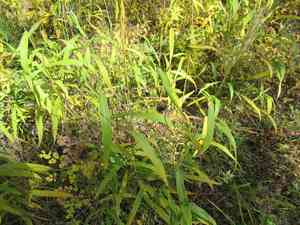
Frost grass (Spodiopogon sibiricus)
Also known as: Graybeard grass
Frost grass is favored for its dynamic color changes, transitioning from green to red to burgundy within a year. It adds visual interest even in winter, living up to its name by thriving in cooler temperatures and being less tolerant of heat. Additionally, frost grass is resilient, capable of withstanding heavy pollution, which enhances its appeal in urban and suburban landscapes.
In This Article
Attributes of Frost grass
Lifespan
Perennial
Plant Type
Grass
Plant Height
91 cm to 1.5 m
Spread
45 cm to 60 cm
Leaf Color
Green Blue Red
Flower Size
8 cm to 15 cm
Flower Color
Green Purple Red Brown
Images of Frost grass
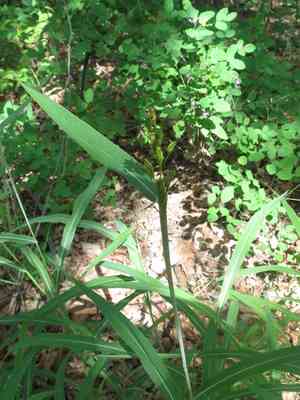
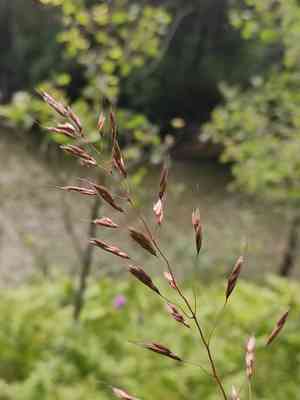
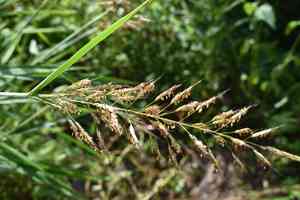
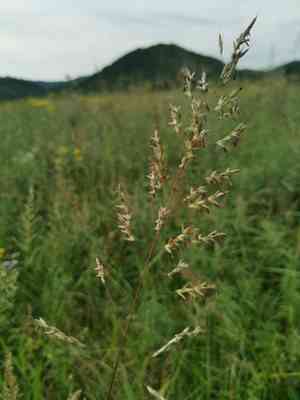
Quickly Identify Frost grass
1
Season-long color transformation from green to red and burgundy hues.
2
Bamboo-like blades with purplish to wine-colored patterns late in growth season.
3
3 to 4 feet (90 to 120 cm) height with similar spread.
4
Long, slender leaves measuring 5 to 13 inches (12.7 to 33 cm) in length.
5
Distinct vein pattern on leaves with a smooth texture.
Scientific Classification of Frost grass
Phylum
Vascular plants
Class
Monocotyledons
Order
Poales
Family
Grass
Genus
Spodiopogon
Species
Frost grass
Planting and Growing of Frost grass
Care Difficulty
Easy
Watering Schedule
Every 4 days
Sunlight Requirements
Partial sun
Sunshine Duration
6-10 hours
Ideal Temperature
60-75℉
Soil Type
Potting Mix, Peat Mix
Soil pH
6.5-7.5
Fertilizer Type
Balanced
Pruning Season
Spring, Summer
Pruning Area
Branches, Leaves
Pruning Frequency
2 times a year
Repotting Season
Spring
Pot Type
Plastic, Ceramic
 How to Water Frost grass?
For Spodiopogon sibiricus, the watering should ensure that the soil remains consistently moist but not waterlogged. It's important to balance the water quantity so that it nurtures the roots without suffocating them, typically around 500 ml per watering session. Water thoroughly until the excess begins to drain from the bottom, ensuring the roots have absorbed enough moisture.
What are the symptoms of an underwatered Frost grass?
›
What should I do if my Frost grass is not getting enough water?
›
What are the symptoms of an overwatered Frost grass?
›
How to save an overwatered Frost grass?
›
 What Are the Sunlight Requirements for Frost grass?
Partial sun or dappled shade promotes positive growth outcomes, enhancing foliage color and plant stability, reducing risks of sunburn or energy deficiency.
More About Sunlight Requirements Techniques→
What is the best light for Spodiopogon sibiricus?
›
How to achieve ideal lighting for this plant?
›
What benefits does perfect lighting bring to this plant?
›
 What Is the Ideal Temperature Range for Frost grass?
The ideal temperature range for Spodiopogon sibiricus is between 60°F and 75°F. Within this range, the plant can perform photosynthesis optimally and maintain its metabolic activities efficiently. Temperatures in this range provide optimal conditions for the plant's growth, encouraging robust foliage and root development.
 What Soil is Best for Frost grass?
Spodiopogon sibiricus thrives in soil that holds adequate moisture without becoming waterlogged. Loam and sandy loam soils excel at this, offering a balance of drainage and moisture that supports robust growth. Rich, fertile soils provide essential nutrients that promote the health and vigor of Spodiopogon sibiricus. A loamy soil rich in organic matter enhances the plant's development and leaf production. Proper aeration is crucial for optimal root respiration and growth. Sandy loam soils provide excellent air circulation, preventing root diseases and facilitating the healthy uptake of nutrients.
 How to Fertilize Frost grass?
For Spodiopogon sibiricus, it is crucial to ensure that you do not over-fertilize. Use a balanced liquid fertilizer at half the recommended strength, about 100 ml per plant, every two weeks during the growing season. Ensure to adjust the amount based on plant size and growth stage.
 How to Prune Frost grass?
Begin by examining the plant for any dead or damaged stems, which can be easily identified by their brownish or dry appearance. Using clean, sharp scissors or pruners, cut these stems back to healthy tissue or to the base of the plant. For general shape maintenance, trim back overgrown shoots to your desired height, cutting just above a node to encourage denser growth. Ensure your cuts are clean to prevent tearing the plant tissues. While this grass can be pruned in several seasons, aim to perform more significant shaping in early spring before new growth begins in earnest. This timing maximizes the plant's energy in developing strong new shoots. Light trimming to remove spent flowers or leaves can be continued through summer and autumn as needed.
More About Pruning Techniques→
 How to Propagate Frost grass plant?
1
Collect seeds from mature plants in late autumn, dry them thoroughly, and store in a cool, dry place until early spring. Soak seeds overnight in warm water before planting to boost germination rates.
2
Prepare a well-draining soil mix, consisting of equal parts peat and sand. Fill seed trays or pots with the mix, ensuring it is loose enough for root development and retains moisture.
3
Seeds should be sown on the surface and lightly covered with soil. For division, carefully separate the root clumps with a knife and replant in individual pots, ensuring roots are spread adequately.
 How to Repot Frost grass plant?
1
Spodiopogon sibiricus shows it's time for repotting when you notice stunted growth, roots poking through drainage holes, or the soil seems to dry out quicker than usual. These are signs that the plant has outgrown its current pot and needs more space to thrive.
2
Select a pot that's 2 inches larger in diameter than the current one. Preferably one that has good drainage to prevent water logging. The benefits of using a slightly larger pot are that it provides enough space for root expansion, promoting healthy growth.
3
Opt for well-draining loamy soil to enhance the aeration and prevent root rot. The advantages of using such a soil mix are that it allows excess water to escape easily, ensuring the roots remain healthy and oxygenated, supporting robust plant growth.



