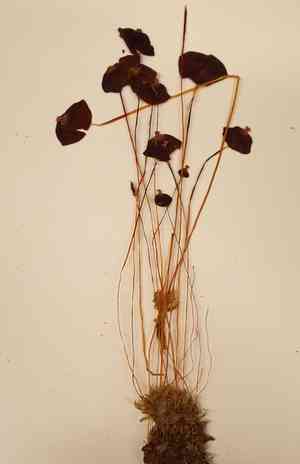
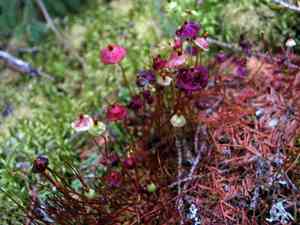
Brilliant red dung moss (Splachnum rubrum)
Also known as: Red Splachnum
Brilliant red dung moss is distinguished by its striking red color and unique spore capsules. It predominantly grows in nutrient-poor, often acidic soils, utilizing herbivore dung as a key nutrient source. The moss's tall stalks elevate its spore capsules, enhancing spore dispersal and aiding its survival in challenging environments.
In This Article
Attributes of Brilliant red dung moss
Lifespan
Perennial
Plant Height
About 1-5 cm
Spread
N/A
Leaf Color
Green
Flower Size
N/A
Flower Color
N/A
Images of Brilliant red dung moss
Quickly Identify Brilliant red dung moss
1
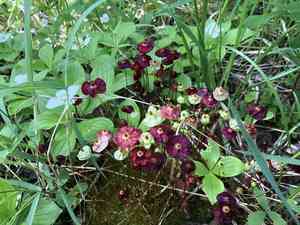
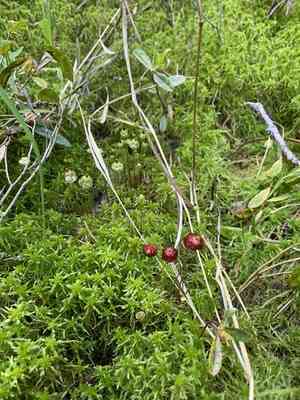
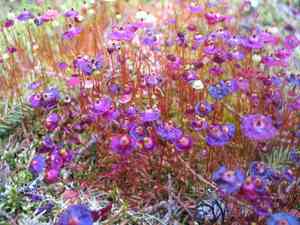
Splachnum rubrum can be identified by its vibrant red capsules and sporophytes, which stand out against its green gametophytes. This moss prefers nutrient-rich, moist environments and often associates with animal dung.
Scientific Classification of Brilliant red dung moss
Phylum
Bryophyta
Class
Bryopsida
Order
Funariales
Family
Splachnaceae
Genus
Splachnum
Planting and Growing of Brilliant red dung moss
Care Difficulty
Hard
Watering Schedule
Every 4 days
Sunlight Requirements
Partial sun
Sunshine Duration
6-10 hours
Ideal Temperature
60-70℉
Soil Type
Potting Mix, Peat Mix
Soil pH
6.5-7.5
Fertilizer Type
Balanced
Pruning Season
Spring, Summer
Pruning Area
Branches, Leaves
Pruning Frequency
2 times a year
Repotting Season
Spring
Pot Type
Plastic, Ceramic
 How to Water Brilliant red dung moss?
Splachnum rubrum thrives best when watered with around 150 milliliters per session. Ensure the soil is evenly moist but not waterlogged. This amount helps maintain adequate moisture without causing water to pool or stagnate.
What are the symptoms of an underwatered Brilliant red dung moss?
›
What should I do if my Brilliant red dung moss is not getting enough water?
›
What are the symptoms of an overwatered Brilliant red dung moss?
›
How to save an overwatered Brilliant red dung moss?
›
 What Are the Sunlight Requirements for Brilliant red dung moss?
Partial sun exposure is optimal, supporting vibrant growth and health. This range allows it to photosynthesize efficiently while avoiding stress from excessive sun, enhancing color and resilience.
What is the perfect light condition for Splachnum rubrum?
›
How can I ensure my Splachnum rubrum gets its ideal light?
›
What are the benefits of providing ideal lighting for Splachnum rubrum?
›
 What Is the Ideal Temperature Range for Brilliant red dung moss?
What is the best temperature range for Splachnum rubrum? The ideal temperature range for Splachnum rubrum is between 60°F and 70°F. These temperatures allow the plant to efficiently conduct its metabolic processes and grow healthily. Maintaining this range mimics its natural habitat conditions.
 What Soil is Best for Brilliant red dung moss?
Splachnum rubrum thrives in well-drained soil as it helps prevent waterlogging, which can damage the roots. Ensuring proper drainage benefits the plant by maintaining healthy root systems and promoting optimal growth. This moss prefers soils rich in organic matter to support its unique nutritional needs. Nutrient-rich substrates enhance vitality, ensuring the plant gets the necessary nutrients for robust development and reproduction. While requiring good drainage, the soil should also be able to retain the moisture that the plant needs. It ensures that Splachnum rubrum maintains hydration, boosting its photosynthesis and helping prevent desiccation.
 How to Fertilize Brilliant red dung moss?
For Splachnum rubrum, it is essential to use a balanced fertilizer. Dilute liquid fertilizers to half the recommended strength to prevent stress on this moss species. For solid fertilizer, use around 1 gram per square meter, applied sparingly to avoid overloading the plant's nutrient requirements.
 How to Prune Brilliant red dung moss?
Before you start the pruning process, take a moment to identify any dead, dying, or diseased sections. These should be removed first to prevent the spread of diseases and to promote better airflow within the plant structure. Cut back overgrown sections to maintain a balanced structure, encouraging even growth. A symmetrical appearance ensures that light penetration is equitable across the plant, promoting healthier foliage. When pruning Splachnum rubrum, make precise cuts at an angle, just above a healthy leaf node. This encourages new growth and ensures that wounds heal more rapidly, reducing the risk of infection.
More About Pruning Techniques→
 How to Propagate Brilliant red dung moss plant?
1
Fill the seed trays with the sterilized potting mix, ensuring it's evenly distributed. Firmly press the mix into the trays to eliminate air pockets, but avoid compacting it too much. This step is crucial for providing a stable environment for the seeds.
2
Scatter Splachnum rubrum seeds evenly over the potting mix surface. Lightly cover them with a thin layer of the mix, as this species' seeds typically require light for germination. Ensure the covering layer is thin enough to let light penetrate to the seeds.
3
Place the seed trays in a warm, light-filled area, avoiding direct sunlight, which can cause overheating. Maintain the potting mix's moisture by misting it gently. Avoid waterlogging by ensuring excess water drains properly, promoting healthy seedling development.
 How to Repot Brilliant red dung moss plant?
1
You should consider repotting Splachnum rubrum when you notice signs such as stunted growth, roots appearing at the surface of the soil or through the drainage holes, or when the plant itself seems too constrained by its current pot. These indicators suggest the moss needs more space or fresh soil to thrive.
2
Select a pot that is slightly larger than the current one, ideally one to two inches wider in diameter. This allows for growth without overwhelming the roots with too much soil. Pots with proper drainage holes are essential to prevent waterlogging, which can be detrimental to moss health.
3
Opt for a soil mix that is rich in organic matter and retains moisture but also ensures good drainage, such as a blend of peat-based substrate. This will help maintain the humidity levels Splachnum rubrum thrives in and prevent root rot by allowing excess water to escape.


