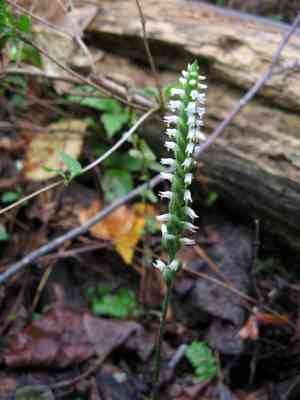
October lady's tresses (Spiranthes ovalis)
Also known as: Lesser ladies' tresses, Southern oval ladies'-tresses
October lady's tresses (Spiranthes ovalis) are perennial orchids that flourish in moist, shaded areas like deciduous forests and forest edges across eastern North America. While the species is generally secure, it can be uncommon in specific regions within its native habitat. These orchids primarily attract bees, particularly from the genus *Bombus*, for pollination. However, some varieties of Spiranthes ovalis can also self-pollinate.
In This Article
Attributes of October lady's tresses
Lifespan
Perennial
Plant Type
Herb
Plant Height
5 cm to 40 cm
Spread
Not applicable
Leaf Color
Green
Flower Size
Less than 0.5 cm
Flower Color
White
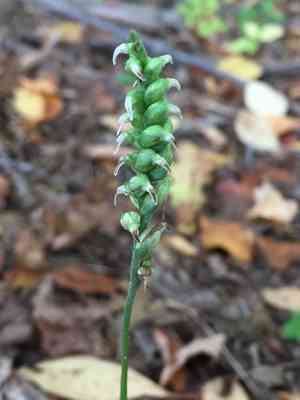
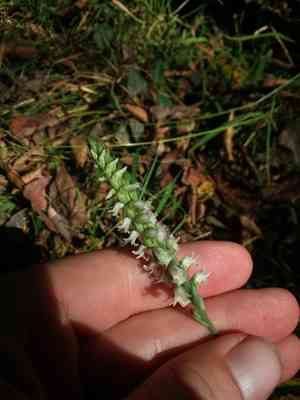
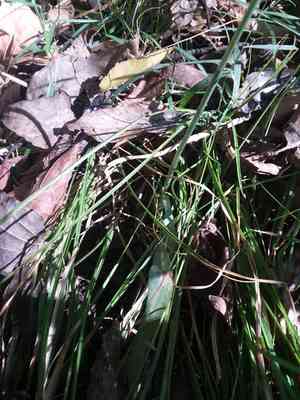
Images of October lady's tresses
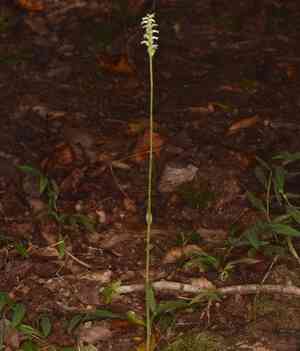
Quickly Identify October lady's tresses
1
To identify Spiranthes ovalis, look for its distinctive spiral of small, white flowers along a slender stem. The leaves are typically basal, elongated, and can be somewhat grass-like. Blooming occurs late in the season, and the plant thrives in moist, shaded conditions.
Scientific Classification of October lady's tresses
Phylum
Vascular plants
Class
Monocotyledons
Order
Asparagales
Family
Orchid
Genus
Ladies tresses
Species
October lady's tresses
Planting and Growing of October lady's tresses
Care Difficulty
Hard
Watering Schedule
Every 2 days
Sunlight Requirements
Partial sun
Sunshine Duration
4-6 hours
Ideal Temperature
65-75℉
Soil Type
Potting Mix, Peat Mix
Soil pH
6.5-7.5
Fertilizer Type
Balanced
Pruning Season
Spring, Summer
Pruning Area
Branches, Leaves
Pruning Frequency
2 times a year
Repotting Season
Spring
Pot Type
Plastic, Ceramic
 How to Water October lady's tresses?
For Spiranthes ovalis, it is important to ensure the soil is evenly moist but not waterlogged. Watering should be consistent, enough to moisten the root zone thoroughly with about 200 ml per session. The principle is to mimic natural precipitation cycles, keeping the soil damp but avoiding standing water.
What are the symptoms of an underwatered October lady's tresses?
›
What should I do if my October lady's tresses is not getting enough water?
›
What are the symptoms of an overwatered October lady's tresses?
›
How to save an overwatered October lady's tresses?
›
 What Are the Sunlight Requirements for October lady's tresses?
Spiranthes ovalis thrives in partial sun and full shade, benefiting from environments like filtered forest floors. Ideal lighting ensures healthy leaf growth and vibrant blossoming, supporting robust plant vitality.
How much sunlight does Spiranthes ovalis need?
›
How to ensure Spiranthes ovalis gets ideal lighting?
›
What benefits does ideal lighting provide for Spiranthes ovalis?
›
 What Is the Ideal Temperature Range for October lady's tresses?
For optimal growth, Spiranthes ovalis thrives in a temperature range of 65°F to 75°F. This range ensures proper metabolic functions and healthy growth. Maintaining consistent temperatures within this range can promote blooming and sustain the plant's vitality.
 What Soil is Best for October lady's tresses?
Spiranthes ovalis thrives in well-drained soil as it prevents waterlogging, ensuring that the roots receive the necessary oxygen and nutrients. Good drainage also helps prevent root rot, promoting healthy growth and strong blooms. This plant prefers soil with moderate fertility. It doesn't require highly nutrient-rich soil, which helps control excessive vegetative growth and supports the development of beautiful, delicate flowers. A slightly acidic to neutral pH range of 6.5 to 7.5 is ideal for Spiranthes ovalis, as it allows optimal nutrient absorption, supporting healthy plant development and vibrant flower production.
 How to Fertilize October lady's tresses?
When fertilizing Spiranthes ovalis, use a balanced liquid fertilizer diluted to one-quarter of the recommended strength. This orchid prefers a gentle feeding approach. Approximately 1 teaspoon of diluted solution per gallon of water should suffice during its growth period. Over-fertilizing can harm the plant, so it's better to err on the side of caution.
 How to Prune October lady's tresses?
Begin by disinfecting your pruning shears to prevent the spread of diseases. Identify any dead or diseased leaves and stems, and make clean cuts close to the healthy tissue. Focus on removing any old flower spikes down to the base once flowering has ended, and trim back overgrown areas to maintain shape and size.
More About Pruning Techniques→
 How to Propagate October lady's tresses plant?
1
Spiranthes ovalis seeds should be collected when the seed pods are mature but before they split open. A fine mesh bag around the stem can catch seeds if pods burst early.
2
Use a sterile, well-draining soil mix. The soil should be slightly acidic to mimic natural conditions, providing nutrients necessary for germination and initial growth.
3
Gently sprinkle seeds onto the prepared soil surface without covering them with soil, as light may be needed for germination. Maintain soil moisture with regular misting.
 How to Repot October lady's tresses plant?
1
Spiranthes ovalis should be repotted when you notice that the roots are overcrowded or emerging from the drainage holes. Other signs include diminished bloom quality or a noticeable decline in the plant's overall health. The active root growth period in late summer or early autumn is ideal for repotting, as the plant will have enough time to settle before dormancy.
2
Select a pot that is only slightly larger than the current pot to avoid excessive moisture retention, which can lead to root rot. A ceramic or terracotta pot with adequate drainage holes is preferred, as it allows for breathability and prevents waterlogging, giving roots room to grow healthily.
3
Use a well-draining orchid mix, preferably one containing elements like pine bark, perlite, and coconut coir. This mix supports aeration and keeps the delicate roots dry and happy, minimizing the risk of fungal infections and promoting optimal growth conditions for Spiranthes ovalis.
Learn More About October lady's tresses Diseases
Anthracnose
Bacterial Leaf Spot
Bacterial Soft Rot
Bacterial Wilt
Black Spot
Chemical Injury
Crown Gall
Cyst Nematode
Damping-off
Downy Mildew
Drought Stress
Fusarium Wilt
Gray Mold
Leaf Curl
Leaf Spot
Mosaic
Nutrient Deficiency
Nutrient Toxicity
Powdery Mildew
Root Rot
Root-knot Nematode
Rusts
Sooty Mold
Spider Mites
Temperature Stress
Thrips Damage
White Mold



