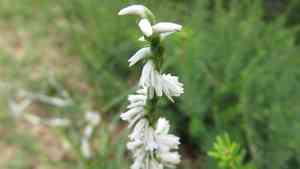
Northern slender lady's tresses (Spiranthes lacera)
Also known as: Slender ladies' tresses
The Northern Slender Ladies' Tresses (Spiranthes lacera) is a North American orchid known for its loose spirals of flowers along its stalk. This orchid thrives in diverse habitats and typically blooms during the summer months. One distinguishing feature is its hairy leaves and a less uniform spiral compared to its southern counterpart.
In This Article
Attributes of Northern slender lady's tresses
Lifespan
Perennial
Plant Type
Herb
Plant Height
15 cm to 65 cm
Spread
13 cm to 23 cm
Leaf Color
Green
Flower Size
0.5-1 cm
Flower Color
White Green
Images of Northern slender lady's tresses
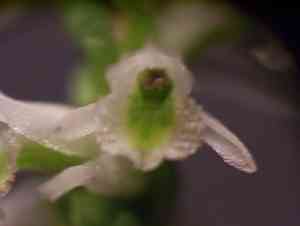
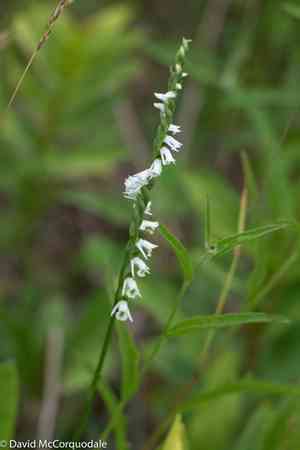
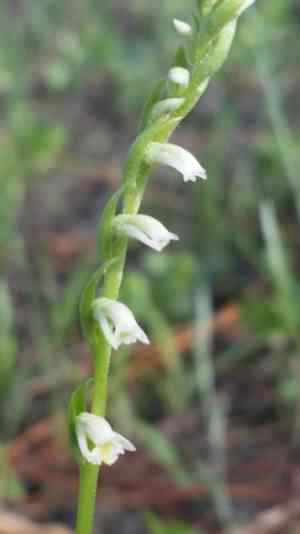
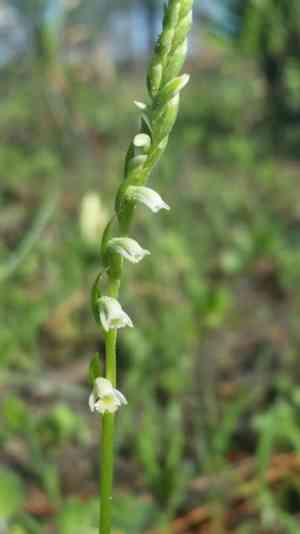
Quickly Identify Northern slender lady's tresses
1
Look for its characteristic spirally twisted inflorescence with small, white flowers. It typically blooms from late summer to early fall. The leaves are basal, narrow, and grass-like.
Scientific Classification of Northern slender lady's tresses
Phylum
Vascular plants
Class
Monocotyledons
Order
Asparagales
Family
Orchid
Genus
Ladies tresses
Species
Northern slender lady's tresses
Planting and Growing of Northern slender lady's tresses
Care Difficulty
Moderate
Watering Schedule
Every 4 days
Sunlight Requirements
Partial sun
Sunshine Duration
4-8 hours
Ideal Temperature
60-75℉
Soil Type
Potting Mix, Peat Mix
Soil pH
6.5-7.5
Fertilizer Type
Balanced
Pruning Season
Spring, Summer
Pruning Area
Branches, Leaves
Pruning Frequency
2 times a year
Repotting Season
Spring
Pot Type
Plastic, Ceramic
 How to Water Northern slender lady's tresses?
When watering Spiranthes lacera, aim for about 200 milliliters each time, making sure the soil feels evenly moist but not soggy. The key here is to maintain a delicate balance; too little water can leave the roots dry and vulnerable, whereas too much can lead to root rot. The goal is to mimic the natural environment of these wild orchids, which thrive in well-drained yet moist conditions.
What are the symptoms of an underwatered Northern slender lady's tresses?
›
What should I do if my Northern slender lady's tresses is not getting enough water?
›
What are the symptoms of an overwatered Northern slender lady's tresses?
›
How to save an overwatered Northern slender lady's tresses?
›
 What Are the Sunlight Requirements for Northern slender lady's tresses?
Spiranthes lacera prefers partial sun, thriving in environments with filtered light. This ensures robust growth and effective photosynthesis, allowing the plant to bloom consistently while remaining healthy and resilient.
What is the ideal lighting environment for Spiranthes lacera?
›
How can I achieve the ideal lighting for Spiranthes lacera?
›
What are the benefits of providing ideal lighting for Spiranthes lacera?
›
 What Is the Ideal Temperature Range for Northern slender lady's tresses?
For optimal growth, Spiranthes lacera prefers temperatures ranging from 60 to 75 degrees Fahrenheit. This temperature range supports active growth and proper blooming, ensuring the plant remains healthy and vibrant.
 What Soil is Best for Northern slender lady's tresses?
Spiranthes lacera thrives in well-drained soil, which prevents root rot by allowing excess water to escape. This is crucial for its survival, especially in areas with high rainfall. This orchid benefits from soils rich in organic matter, which provide necessary nutrients and promote better growth and flowering. Compost or leaf mold can enhance soil fertility. While drainage is key, the soil must also retain adequate moisture to keep the plant hydrated. Sandy loam achieves this balance, ensuring plant stability without waterlogging.
 How to Fertilize Northern slender lady's tresses?
Spiranthes lacera, commonly known as the slender ladies' tresses, benefits from a balanced approach to fertilization. For liquid fertilizers, a dilution rate of 1/4 teaspoon per gallon of water is ideal to avoid over-fertilization. For slow-release fertilizers, a granular amount of 1 tablespoon per plant applied around the base will suffice.
 How to Prune Northern slender lady's tresses?
Begin by assessing the overall shape and condition of Spiranthes lacera. Use clean, sharp pruning shears to trim away any brown, dead, or damaged leaves at the base. Make sure to cut at a 45-degree angle to encourage proper healing. Regularly grooming the plant can also help in preventing pest infestations and diseases. Focus on maintaining the natural shape and encouraging upward growth.
More About Pruning Techniques→
 How to Propagate Northern slender lady's tresses plant?
1
Gather seeds from mature Spiranthes lacera plants, ideally in late summer when seed capsules have fully developed. Ensure the seeds are dry before storing them.
2
Prepare a well-draining potting mix for your seed tray. Spiranthes lacera seeds require a mix that mimics their natural habitat, so adding sand or perlite can enhance drainage.
3
Sow seeds evenly on the surface of the prepared soil. Do not cover them with soil, as they require light to germinate. Lightly mist the surface to provide initial moisture.
 How to Repot Northern slender lady's tresses plant?
1
Spiranthes lacera shows signs it's time to repot when its roots begin to emerge from the drainage holes, or the growth slows significantly. Additionally, if you notice the soil retaining too much water or becoming compacted, it's a clear indicator that repotting is due. Ideal signals are a combination of these factors, ensuring that the plant's growing environment remains optimal and healthy.
2
Select a pot that is one size larger than the current one and has sufficient drainage holes. This prevents waterlogging, which could lead to root rot—a common problem for Spiranthes lacera. The material should allow roots to breathe, such as unglazed clay. A suitable pot supports the plant’s robust growth and allows room for root expansion.
3
Opt for a well-draining orchid mix because it provides the necessary aeration and drainage, helping prevent root rot. The mix should include components like bark, perlite, and sphagnum moss to ensure proper moisture retention while avoiding sogginess. This balance achieves an optimal environment for the plant to thrive.
Learn More About Northern slender lady's tresses Diseases
Anthracnose
Bacterial Leaf Spot
Bacterial Soft Rot
Bacterial Wilt
Black Spot
Chemical Injury
Crown Gall
Cyst Nematode
Damping-off
Downy Mildew
Drought Stress
Fusarium Wilt
Gray Mold
Leaf Spot
Mosaic
Nutrient Deficiency
Nutrient Toxicity
Powdery Mildew
Root Rot
Root-knot Nematode
Rusts
Sooty Mold
Spider Mites
Temperature Stress
Thrips Damage
White Mold



