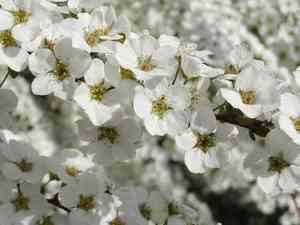
Baby's breath spirea (Spiraea thunbergii)
Also known as: Thunberg's spiraea
Japanese Barberry (Berberis thunbergii) is a deciduous flowering shrub indigenous to Asia. Thriving on sunny hillsides, this species prefers full sunlight for optimal growth.
In This Article
Attributes of Baby's breath spirea
Lifespan
Perennial
Plant Type
Shrub
Plant Height
1.5 m
Spread
2 m
Leaf Color
Green Yellow
Flower Size
6 mm to 8 mm
Flower Color
White
Images of Baby's breath spirea

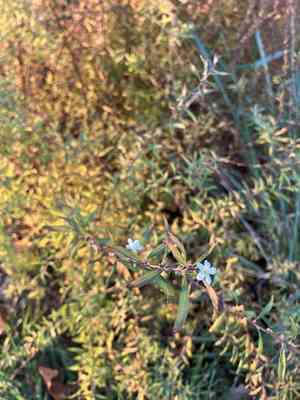
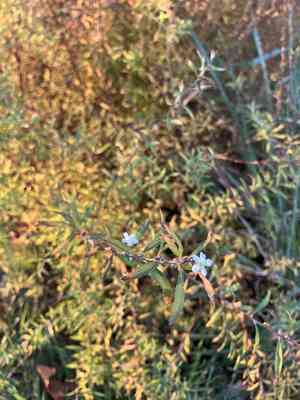

Quickly Identify Baby's breath spirea
1
Twiggy structure with outward-arching branches resembling a fountain.
2
White flowers in small clusters bloom in April, covering the shrub.
3
Yellow-green leaves with serrulated margins and bronze-orange tinge in fall.
4
Slender stems with zig-zag pattern, light brown color, and smooth texture.
Scientific Classification of Baby's breath spirea
Phylum
Vascular plants
Class
Dicotyledons
Order
Rosales
Family
Rose
Genus
Spirea
Species
Baby's breath spirea
Planting and Growing of Baby's breath spirea
Care Difficulty
Easy
Watering Schedule
Every 4 days
Sunlight Requirements
Full sun
Sunshine Duration
6-10 hours
Ideal Temperature
60-75℉
Soil Type
Potting Mix, Peat Mix
Soil pH
6.5-7.5
Fertilizer Type
Balanced
Pruning Season
Spring, Summer
Pruning Area
Branches, Leaves
Pruning Frequency
2 times a year
Repotting Season
Spring
Pot Type
Plastic, Ceramic
 How to Water Baby's breath spirea?
Spiraea thunbergii, commonly known as Thunberg spirea, requires a consistent watering regime. Water deep enough to reach the root zone but avoid waterlogging. Ensure the soil is moist but not overly wet; this balance is crucial for its growth.
More About Watering Techniques→
What are the symptoms of an underwatered Baby's breath spirea?
›
What should I do if my Baby's breath spirea is not getting enough water?
›
What are the symptoms of an overwatered Baby's breath spirea?
›
How to save an overwatered Baby's breath spirea?
›
 What Are the Sunlight Requirements for Baby's breath spirea?
Spiraea thunbergii does best in full sun to partial sun conditions. This exposure, yielding around six to eight hours of light daily, supports stunning flower display and healthy foliage, maintaining its ornamental value over time.
More About Sunlight Requirements Techniques→
Optimal Sunlight Exposure
›
Achieving Ideal Light through Strategic Positioning
›
Benefits of Adequate Sunlight
›
 What Is the Ideal Temperature Range for Baby's breath spirea?
Spiraea thunbergii thrives best within a temperature range of 60°F to 75°F. This range provides the optimal conditions for metabolic activity, allowing the plant to perform photosynthesis efficiently and maintain strong, healthy growth.
 What Soil is Best for Baby's breath spirea?
Spiraea thunbergii thrives in nutrient-rich soil. Providing soil with ample nutrients ensures healthy growth and vibrant blooms, enhancing the plant's overall vigor and resilience. Well-draining soil is crucial to prevent waterlogging and root rot in Spiraea thunbergii. It helps maintain a balance of moisture, supporting healthy root development and promoting sustainable growth. The plant needs soil that retains moderate moisture without becoming soggy. This balance helps in sustaining consistent hydration, essential for the plant's floral abundance and foliage health.
More About Soil→
 How to Fertilize Baby's breath spirea?
For Spiraea thunbergii, an appropriate amount of liquid fertilizer is 1/4 strength of a balanced, all-purpose formula diluted with water. Avoid over-fertilizing by following label instructions carefully. When using slow-release fertilizers, scatter about half a cup per mature plant around the base, ensuring even distribution.
More About Fertilizing Techniques→
 How to Prune Baby's breath spirea?
Start by identifying dead or weak branches and remove them completely. For shaping, trim back flowering shoots to maintain the desired contour of the bush. If needed, focus on thinning out overcrowded branches to allow better air circulation. This also helps all parts of the plant receive adequate sunlight.
More About Pruning Techniques→
 How to Propagate Baby's breath spirea plant?
1
Choose healthy, young stems from the Spiraea thunbergii plant for cuttings. The ideal length is 10-15 centimeters. Ensure that the cutting is free from disease or pests.
2
Remove the leaves from the lower half of the cutting to reduce water loss and prevent rotting. Dip the cut end in rooting hormone to encourage root development.
3
Insert the cutting into a pot filled with moist potting mix. Firm the soil around the cutting to ensure good contact. Position the cutting in indirect sunlight until it roots.
 How to Repot Baby's breath spirea plant?
1
Spiraea thunbergii should be repotted when its growth seems stunted or roots emerge from the drainage holes. These signs, usually visible in early spring, indicate the plant has outgrown its current home and requires more space to flourish.
2
Select a pot that's 1-2 inches larger in diameter than the current one and ensures proper drainage. This allows sufficient room for root expansion and helps prevent waterlogging, promoting healthy root development and overall plant vigor.
3
Opt for well-draining loamy soil to prevent root rot and provide essential nutrients. This type of soil helps maintain a balance between retaining moisture and allowing excess water to drain, keeping the roots healthy and the plant thriving.
Learn More About Baby's breath spirea Diseases
Anthracnose
Bacterial Leaf Spot
Black Spot
Chemical Injury
Crown Gall
Damping-off
Downy Mildew
Drought Stress
Fire Blight
Fusarium Wilt
Gray Mold
Leaf Curl
Leaf Spot
Mosaic
Nutrient Deficiency
Nutrient Toxicity
Powdery Mildew
Root Rot
Rusts
Sooty Mold
Spider Mites
Temperature Stress
Thrips Damage
White Mold



