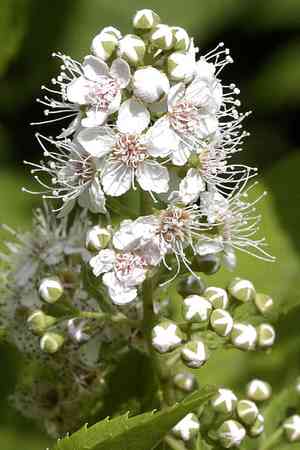
White meadowsweet (Spiraea alba)
Also known as: Meadowsweet, Pipestem
White meadowsweet (Spiraea alba) is a long-lasting shrub, reaching heights between 91 and 183 cm. During the summer to fall, it produces clusters of fragrant white or pink flowers that attract butterflies and birds. After the blooming season, brown fruit forms. This shrub thrives in both sunny and partially shaded areas.
In This Article
Attributes of White meadowsweet
Lifespan
Perennial
Plant Type
Shrub
Plant Height
2.5 m
Spread
90 cm to 1.2 m
Leaf Color
Green Gold Yellow
Flower Size
3 mm to 8 mm
Flower Color
White
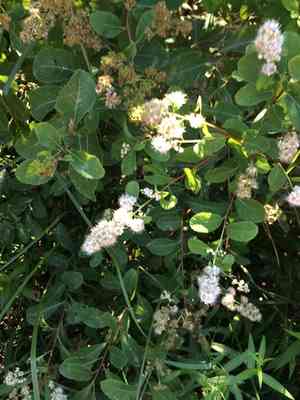
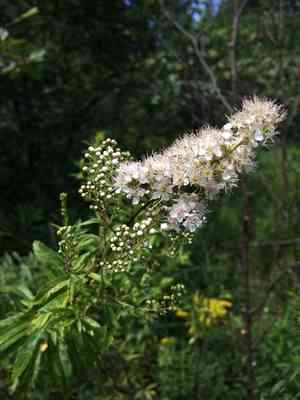
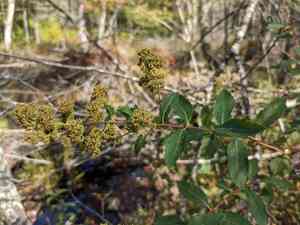
Images of White meadowsweet
Quickly Identify White meadowsweet
1
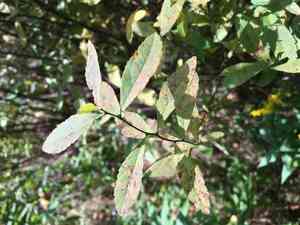
Alternate leaves with toothed margins, transitioning to striking yellow in fall.
2
Creamy-white flowers in pyramidal clusters, emitting a pleasant fragrance.
3
Tiny white or pale pink flowers in cone-shaped clusters up to 4 inches (10 cm) long.
4
Distinctive pod-shaped fruit follicles that split open to disperse seeds.
5
Smooth, slender stems with sparse branching, reaching up to 3 feet (90 cm) in height.
Scientific Classification of White meadowsweet
Phylum
Vascular plants
Class
Dicotyledons
Order
Rosales
Family
Rose
Genus
Spirea
Species
White meadowsweet
Planting and Growing of White meadowsweet
Care Difficulty
Easy
Watering Schedule
Every 8 days
Sunlight Requirements
Full sun
Sunshine Duration
6-10 hours
Ideal Temperature
60-75℉
Soil Type
Potting Mix, Peat Mix
Soil pH
6.5-7.5
Fertilizer Type
Balanced
Pruning Season
Spring, Summer
Pruning Area
Branches, Leaves
Pruning Frequency
2 times a year
Repotting Season
Spring
Pot Type
Plastic, Ceramic
 How to Water White meadowsweet?
Spiraea alba, the graceful white meadowsweet, requires steady and consistent watering to maintain its lush appearance. It thrives on moderate watering where the soil is kept consistently moist but never waterlogged, and each session should ideally provide around 500 ml to the plant.
What are the symptoms of an underwatered White meadowsweet?
›
What should I do if my White meadowsweet is not getting enough water?
›
What are the symptoms of an overwatered White meadowsweet?
›
How to save an overwatered White meadowsweet?
›
 What Are the Sunlight Requirements for White meadowsweet?
For Spiraea alba, full sun to partial sun is ideal. This light range allows the plant to maximize blooming potential and achieve a healthy, vigorous growth habit while developing resilient leaves and strong root systems.
More About Sunlight Requirements Techniques→
Question: What is the best lighting condition for Spiraea alba?
›
Solution: How can I achieve ideal lighting conditions for Spiraea alba?
›
Effect: What are the benefits of providing ideal lighting for Spiraea alba?
›
 What Is the Ideal Temperature Range for White meadowsweet?
The optimal temperature range for growing Spiraea alba typically falls between 60°F and 75°F. Within this range, the plant can efficiently conduct photosynthesis and maintain healthy growth without experiencing temperature stress. This range allows the plant to thrive, producing ample foliage and potential flowers in the right light conditions.
 What Soil is Best for White meadowsweet?
Spiraea alba thrives in well-drained soil that prevents waterlogging around its roots. This attribute reduces the risk of root diseases and ensures optimal nutrient uptake, promoting lush growth and prolific flowering. This plant prefers soil enriched with organic matter. Rich soil facilitates healthy root development and provides essential nutrients, leading to vibrant blooms and robust growth. While good drainage is important, maintaining a level of consistent moisture is crucial. The balance between moisture and drainage helps in avoiding plant stress and contributes to sustained, healthy growth throughout the season.
More About Soil→
 How to Fertilize White meadowsweet?
Spiraea alba, commonly known as white meadowsweet, enjoys a balanced diet, similar to a well-rounded meal plan. For liquid fertilizers, mix a solution that is half the strength recommended on the package, as the roots are sensitive to too much nutrient influx. Slow-release fertilizers should be used sparingly, typically around a tablespoon per square foot of soil to avoid nutrient burn.
More About Fertilizing Techniques→
 How to Prune White meadowsweet?
Begin pruning Spiraea alba in late winter or early spring before new growth starts. Use sharp, clean pruning shears to cut back the oldest stems to the base. Trim remaining stems down to about half their size to encourage new growth. Remove any dead or damaged branches, and shape the plant to your desired appearance. Be sure to maintain an open center for better air circulation.
More About Pruning Techniques→
 How to Propagate White meadowsweet plant?
1
Collect seeds from mature Spiraea alba plants and sow them in propagation trays filled with a well-draining soil mix. Cover lightly with soil and maintain moisture until germination occurs in about 3-4 weeks.
2
Choose healthy stems and cut 4-6 inch sections. Remove leaves from the bottom half of the cutting and dip the cut end into rooting hormone to increase chances of successful rooting.
3
Carefully dig up mature Spiraea alba plants, ensuring you preserve the root structure. Divide the plant into sections, each with a viable root system, and replant them immediately in suitable soil conditions.
 How to Repot White meadowsweet plant?
1
Spiraea alba benefits from repotting when you notice roots circling the pot's base or emerging from the drainage holes. Additionally, if the plant shows signs of stunted growth or soil seems overly compact, these are good indicators it's time to repot.
2
Select a pot only slightly larger than the current one, with good drainage holes. A pot that's too large can retain excess water, leading to root rot. A well-sized pot ensures the roots have room to grow without drowning in moisture.
3
Opt for a well-draining loamy soil to keep Spiraea alba healthy. This type of soil retains necessary moisture while preventing water from stagnating around the roots, which promotes strong root growth and prevents diseases.
Learn More About White meadowsweet Diseases
Anthracnose
Bacterial Leaf Spot
Black Spot
Chemical Injury
Crown Gall
Damping-off
Downy Mildew
Drought Stress
Fire Blight
Fusarium Wilt
Gray Mold
Leaf Curl
Leaf Spot
Mosaic
Nutrient Deficiency
Nutrient Toxicity
Powdery Mildew
Root Rot
Root-knot Nematode
Rusts
Sooty Mold
Spider Mites
Temperature Stress
Thrips Damage
White Mold



