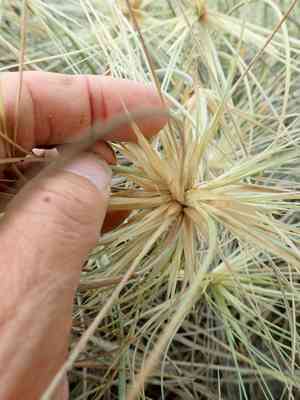
Spinifex (Spinifex) (Spinifex)
Also known as: Hummock Grass
Spinifex is a genus of perennial grasses found in tropical and subtropical coastal regions. These grasses are known for their ability to stabilize sand dunes due to their extensive root systems.
In This Article
Attributes of Spinifex (Spinifex)
Lifespan
Perennial
Plant Height
0.3 to 1.0 meters
Spread
Wide spreading and can cover large areas
Leaf Color
Gray-green
Flower Size
Small, flowers are contained within spikelets
Flower Color
Pale yellow to brown
Images of Spinifex (Spinifex)
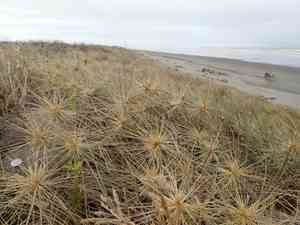
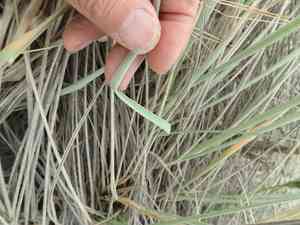
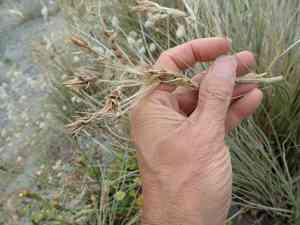
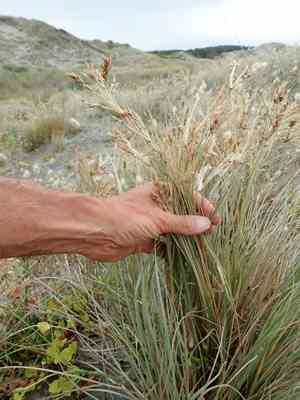
Quickly Identify Spinifex (Spinifex)
1
Spinifex can be identified by its densely tufted, needle-like leaves and sprawling, creeping stems. The flowers are often spike-like and can be large, with a wind-pollinated mechanism.
Scientific Classification of Spinifex (Spinifex)
Phylum
Magnoliophyta
Class
Liliopsida
Order
Poales
Family
Poaceae
Genus
Spinifex
Planting and Growing of Spinifex (Spinifex)
Care Difficulty
Moderate
Watering Schedule
Every 2 days
Sunlight Requirements
Full sun
Sunshine Duration
4-8 hours
Ideal Temperature
68-86℉
Soil Type
Potting Mix, Peat Mix
Soil pH
6.5-7.5
Fertilizer Type
Balanced
Pruning Season
Spring, Summer
Pruning Area
Branches, Leaves
Pruning Frequency
Once a year
Repotting Season
Spring
Pot Type
Plastic, Ceramic
 How to Water Spinifex (Spinifex)?
Spinifex is a plant adapted to arid conditions, which means it thrives with less frequent watering. The goal is to ensure the soil is moist but not waterlogged. Water thoroughly so that about 300ml of water is sufficient to dampen the root zone. The soil should feel damp to the touch but not overly saturated, allowing the excess water to drain away, mimicking the natural rain patterns of its native habitat.
What are the symptoms of an underwatered Spinifex (Spinifex)?
›
What should I do if my Spinifex (Spinifex) is not getting enough water?
›
What are the symptoms of an overwatered Spinifex (Spinifex)?
›
How to save an overwatered Spinifex (Spinifex)?
›
 What Are the Sunlight Requirements for Spinifex (Spinifex)?
Spinifex thrives best in full sun with at least 6 to 8 hours of exposure daily. Ideal sunlight enhances photosynthesis efficiency, promotes full foliage, and ensures resilient growth by providing necessary plant energy, resulting in a healthier and robust Spinifex.
How much sun does Spinifex need?
›
What happens if Spinifex lacks light?
›
How to manage harsh sunlight for Spinifex?
›
 What Is the Ideal Temperature Range for Spinifex (Spinifex)?
The ideal temperature range for Spinifex is between 68°F and 86°F. This range ensures optimal photosynthesis and growth rates, as Spinifex thrives in conditions similar to its native coastal environments. Maintaining this temperature range helps support robust development and resilience in varying environmental conditions.
 What Soil is Best for Spinifex (Spinifex)?
Spinifex requires well-drained soil to thrive, preventing root rot and ensuring healthy growth. This soil condition helps the plant maintain its structural integrity and promotes efficient nutrient uptake. This plant is adapted to thrive in nutrient-poor conditions, meaning it requires little in terms of fertilization. This characteristic makes it ideal for erosion control on sandy soils where fertility is often low. While Spinifex can handle poor soils, some organic matter helps maintain moisture and improves soil structure, providing a more stable environment for growth.
 How to Fertilize Spinifex (Spinifex)?
For Spinifex, apply a balanced liquid fertilizer at a dilution of 1:10 with water. Use approximately 100-150 ml per plant per application. Ensure to water the soil lightly before fertilization to avoid root burn.
 How to Prune Spinifex (Spinifex)?
Start by examining the plant to identify any brown or damaged leaves. These should be pruned first as they can draw energy from healthy parts of the plant and hinder growth. Carefully trim the outer edges of Spinifex to maintain its characteristic ball-shape and prevent it from becoming too sparse. This helps the plant maintain its ornamental appeal. It's crucial to keep the plant's structure intact by not removing more than one-third of the foliage. Over-pruning can stress the plant and reduce its resilience to environmental changes.
 How to Propagate Spinifex (Spinifex) plant?
1
Soak Spinifex seeds in warm water for 24 hours to enhance germination. This helps soften the seed coat and prepares them for planting.
2
Sow the seeds onto a well-draining mix in the seed tray. Lightly cover with soil and keep the tray in a warm, well-lit area.
3
Carefully dig up an established Spinifex plant. Use a sharp knife to divide the plant into smaller sections with adequate roots before replanting.
 How to Repot Spinifex (Spinifex) plant?
1
Spinifex should be repotted when you notice the roots are outgrowing the pot, emerging from drainage holes, or the plant looks stressed due to soil compaction. This usually indicates it's time for a larger pot or fresh soil to provide nutrients and space for growth.
2
Select a pot that is 1-2 inches larger in diameter than the current one. Ensure it has drainage holes. The extra space allows for root growth, and good drainage prevents waterlogging and root rot, ensuring the plant's health and longevity.
3
Opt for a sandy, well-draining soil mix. Spinifex thrives in conditions that mimic its natural sandy, coastal habitat. This type of soil prevents water retention and allows roots to access oxygen, promoting healthy growth.

