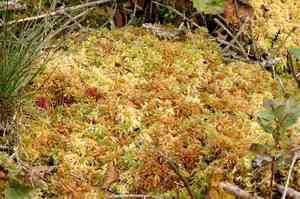
Papillose sphagnum (Sphagnum papillosum)
Also known as: Papillose peatmoss
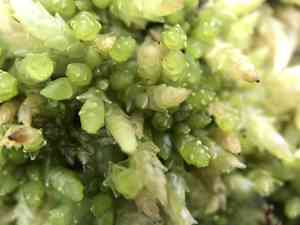
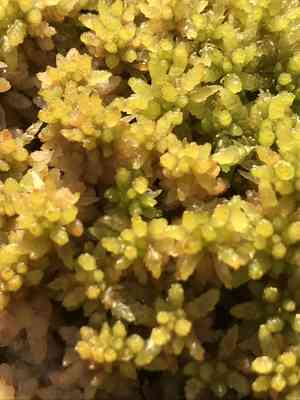
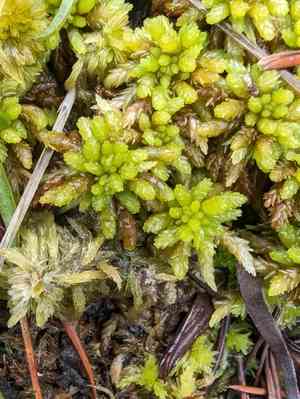
Papillose sphagnum (Sphagnum papillosum) is a hardy peat moss notable for its yellow-green color and dense, clumping growth in bog environments. Its leaves are marked by unique papillae, which enhance its ability to retain water, giving the moss a spongy consistency. The moss's substantial, bulbous form is a distinctive characteristic that underscores its adaptation to the wet, acidic conditions of bogs. Ecologically, papillose sphagnum is vital for regulating water levels and promoting peat development, supporting the specialized ecosystem of bogs.
In This Article
Attributes of Papillose sphagnum
Lifespan
Perennial
Plant Height
Up to 10 cm
Spread
Cushion up to 30 cm wide
Leaf Color
Pale green to yellow-brown
Flower Size
N/A
Flower Color
N/A
Images of Papillose sphagnum
Quickly Identify Papillose sphagnum
1
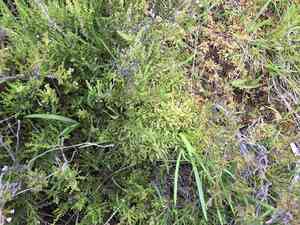
Sphagnum papillosum can be identified by its large, cushion-like clumps, pale green to yellow-brown color, and distinctive papillae on its leaves. Its stem typically appears reddish-brown.
Scientific Classification of Papillose sphagnum
Phylum
Bryophyta
Class
Sphagnopsida
Order
Sphagnales
Family
Sphagnaceae
Genus
Sphagnum
Planting and Growing of Papillose sphagnum
Care Difficulty
Moderate
Watering Schedule
Every 4 days
Sunlight Requirements
Full shade
Sunshine Duration
4-8 hours
Ideal Temperature
50-77℉
Soil Type
Potting Mix, Peat Mix
Soil pH
3.5-5
Fertilizer Type
Balanced
Pruning Season
Spring, Summer
Pruning Area
Branches, Leaves
Pruning Frequency
Once a year
Repotting Season
Spring
Pot Type
Plastic, Ceramic
 How to Water Papillose sphagnum?
For Sphagnum papillosum, the watering should be generous but not excessive. The plant thrives in moist conditions, so aim to provide around 500 milliliters at a time, ensuring the substrate is uniformly wet but without water standing at the base.
What are the symptoms of an underwatered Papillose sphagnum?
›
What should I do if my Papillose sphagnum is not getting enough water?
›
What are the symptoms of an overwatered Papillose sphagnum?
›
How to save an overwatered Papillose sphagnum?
›
 What Are the Sunlight Requirements for Papillose sphagnum?
Sphagnum papillosum prefers environments with less than 3 hours of dappled or indirect sunlight daily. This range supports its need for moisture and mimics its natural habitat, promoting robust health and growth.
What are the ideal lighting conditions for Sphagnum papillosum?
›
How can you achieve ideal lighting for Sphagnum papillosum?
›
What benefits does Sphagnum papillosum receive from ideal lighting?
›
 What Is the Ideal Temperature Range for Papillose sphagnum?
The ideal temperature range for Sphagnum papillosum is between 50°F to 77°F. This range allows the plant to maintain its metabolic processes effectively, promoting optimal growth and development.
 What Soil is Best for Papillose sphagnum?
Sphagnum papillosum thrives in soil that retains moisture exceptionally well. This characteristic ensures that the plant's habitat remains consistently damp, mimicking its natural environment found in bogs and marshlands. The highlighted benefit is its ability to maintain necessary hydration levels. This plant is adapted to nutrient-poor conditions, which prevents competition from larger, more aggressive plants. By requiring fewer nutrients, it can grow in environments where other species may struggle to survive, maximizing its own survival and proliferation. Effective aeration in the soil assists with the plant's root respiration and prevents root rot. For Sphagnum papillosum, a permeable substrate facilitates air exchange, promoting healthy growth by providing roots with adequate oxygen.
 How to Fertilize Papillose sphagnum?
When fertilizing Sphagnum papillosum, use a diluted liquid fertilizer at half the recommended strength. This plant is sensitive to nutrients, so ensuring the dilution is crucial. Apply approximately 100 ml of diluted solution per square foot of moss to avoid overwhelming it.
 How to Prune Papillose sphagnum?
Begin by inspecting your Sphagnum papillosum moss patch for any signs of brown or decaying sections. Use clean, sharp scissors to snip off the top layers, focusing on the areas that appear overgrown or unhealthy. Be gentle to avoid damaging the healthy parts. After pruning, make sure you press the remaining moss layer gently into the substrate to encourage new growth.
More About Pruning Techniques→
 How to Propagate Papillose sphagnum plant?
1
Choose a mature and healthy Sphagnum papillosum clump. Make sure it is free from any signs of disease or pest infestation, as propagating from a healthy source enhances success rates.
2
Carefully use a sharp knife or scissors to divide the plant into smaller, manageable clumps. Be gentle to avoid damaging the moss structure, which is vital for its water retention capability.
3
Place each divided clump in a prepared propagation bed or pot. Ensure they are placed on a moist, acidic substrate to mimic their natural growth conditions, promoting better establishment and growth.
 How to Repot Papillose sphagnum plant?
1
Sphagnum papillosum typically needs repotting when its growth appears stunted, or when the moss mass becomes overly compacted, indicating limited room for expansion. As these mosses are water-retentive, any signs of drying out faster than usual suggest it's time to consider repotting.
2
Select a shallow, wide container allowing ample space for the moss to spread horizontally. This shape mimics their natural environment and ensures moisture retention without waterlogging, providing an optimal balance that encourages healthy growth and avoids root rot.
3
Opt for a peat moss or sphagnum-specific mixture that retains adequate moisture while allowing for some airflow. This not only provides the necessary nutrients but also simulates its natural boggy habitat, fostering robust growth conditions.


