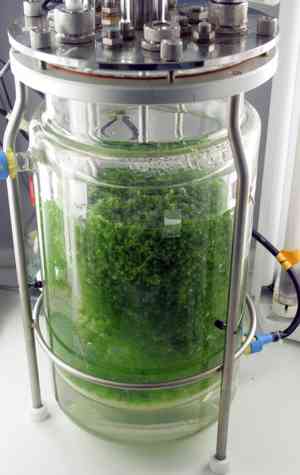
Prairie sphagnum (Sphagnum palustre)
Also known as: Blunt-leaved bog-moss
The European Union's Mossclone project utilizes the moss species *Sphagnum palustre* to assess air quality. This peat moss, often found in boggy meadows and wet woodlands, is highly absorbent and can retain up to 30 times its weight in water. Its sensitivity to atmospheric pollutants makes it an excellent bioindicator for environmental monitoring.
In This Article
Attributes of Prairie sphagnum
Lifespan
Perennial
Plant Type
Moss
Plant Height
2-15 cm
Spread
N/A
Leaf Color
Whitish-green to pale yellow
Flower Size
N/A
Flower Color
N/A
Images of Prairie sphagnum
Quickly Identify Prairie sphagnum
1
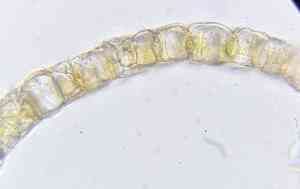
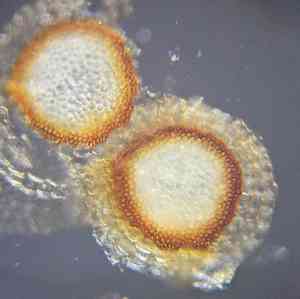
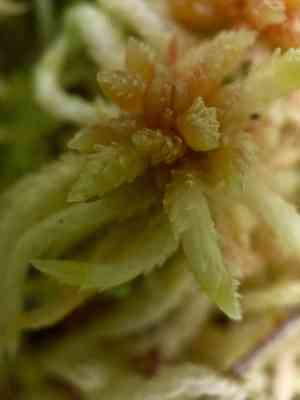
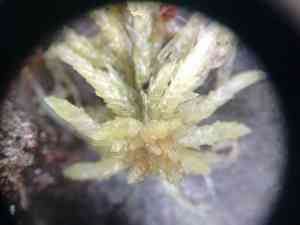
Sphagnum palustre can be identified by its soft, spongy texture and its ability to hold large amounts of water. The stems are typically freely branching with a whitish-green to pale yellow color.
Scientific Classification of Prairie sphagnum
Phylum
Mosses
Class
Peat mosses
Order
Sphagnales
Family
Sphagnaceae
Genus
Sphagnum
Species
Prairie sphagnum
Planting and Growing of Prairie sphagnum
Care Difficulty
Hard
Watering Schedule
Every 8 days
Sunlight Requirements
Partial sun
Sunshine Duration
4-6 hours
Ideal Temperature
60-75℉
Soil Type
Potting Mix, Peat Mix
Soil pH
3-5
Fertilizer Type
Balanced
Pruning Season
Spring, Summer
Pruning Area
Branches, Leaves
Pruning Frequency
2 times a year
Repotting Season
Spring
Pot Type
Plastic, Ceramic
 How to Water Prairie sphagnum?
The watering amount for Sphagnum palustre should be such that the soil is kept consistently moist but not waterlogged. The plant thrives in moist conditions, emulating its natural boggy habitat. Water approximately 250 ml to ensure the soil remains damp but not oversaturated.
What are the symptoms of an underwatered Prairie sphagnum?
›
What should I do if my Prairie sphagnum is not getting enough water?
›
What are the symptoms of an overwatered Prairie sphagnum?
›
How to save an overwatered Prairie sphagnum?
›
 What Are the Sunlight Requirements for Prairie sphagnum?
Partial sun or full shade is ideal, ensuring the plant receives enough light to photosynthesize but is protected from harsh rays that could damage its delicate structure.
What is the best light condition for Sphagnum palustre?
›
How can you provide ideal light for this plant?
›
What are the benefits of ideal lighting for the plant?
›
 What Is the Ideal Temperature Range for Prairie sphagnum?
Sphagnum palustre thrives best in temperatures ranging from 60°F to 75°F. This range provides optimal conditions for growth, ensuring the plant's metabolic processes function effectively. Maintaining this temperature helps promote healthy development and sustains proper water retention in the moss's structure.
 What Soil is Best for Prairie sphagnum?
Sphagnum palustre thrives in wet conditions, making high moisture soil a necessity. The plant's specialized structure allows it to retain large amounts of water, creating an ideal environment for itself and other wetland plants. While Sphagnum palustre does not require rich soils, it benefits from the low-nutrient environment of peat soil. Its ability to acidify the surrounding soil helps reduce competition from other plants that require more nutrients. The loose, fibrous nature of peat soil provides superb aeration, essential for preserving the health of Sphagnum palustre's root structures. This ensures proper growth and assists in nutrient uptake.
 How to Fertilize Prairie sphagnum?
Sphagnum palustre generally requires minimal fertilization due to its natural environment of nutrient-poor conditions. When fertilizing, use a diluted liquid fertilizer with a ratio of 1:4 (1 part fertilizer to 4 parts water) to avoid over-nourishing. Solid fertilizers should be applied sparingly, typically 1-2 grams per square meter, ensuring even distribution and integration into the existing substrate.
 How to Prune Prairie sphagnum?
Begin by examining the plant closely to identify any brown or dead portions of the moss, which should be removed to promote healthy growth. Carefully trim back any excessively long or overgrown areas, focusing on maintaining an even shape without cutting too deeply into the plant's main body. Collect and dispose of all the trimmed material correctly, which helps prevent potential disease spread and keeps the growing area tidy.
 How to Propagate Prairie sphagnum plant?
1
Select lush, green, healthy specimens for propagation to ensure success. Avoid using sections that show signs of disease or brown coloration, as these may have compromised growth potential.
2
Carefully separate sections of moss using a sterile knife, ensuring each section has an adequate amount of rhizome and leafy growth. This step is crucial as it fosters growth by segmenting healthy portions ready for new life.
3
In a tissue culture lab, place small pieces of Sphagnum palustre on a sterile medium with nutrients to encourage growth in a controlled environment. This method allows for rapid propagation in large numbers essential for restoration projects.
 How to Repot Prairie sphagnum plant?
1
Sphagnum palustre should be repotted when you notice the plant becoming root-bound, which means the roots have occupied most of the pot space. Additionally, yellowing leaves or less growth can be a signal that the current potting conditions aren't optimal, and it's time for a fresh start.
2
Opt for a pot that is slightly larger than the current one to avoid excess moisture retention. A pot with drainage holes is essential, as it prevents waterlogging and helps maintain ideal conditions for peat moss growth. Terracotta or ceramic pots can also aid in regulating moisture levels around the plant roots.
3
The ideal soil for Sphagnum palustre should be acidic and well-draining. Using a mix specifically for acid-loving plants ensures that nutrients are properly balanced. This type of soil prevents root rot by allowing excess water to escape easily, keeping the plant healthy.

