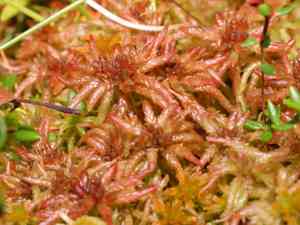
Magellan's sphagnum (Sphagnum magellanicum)
Also known as: Magellan's peatmoss
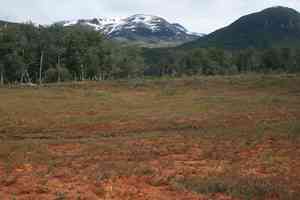
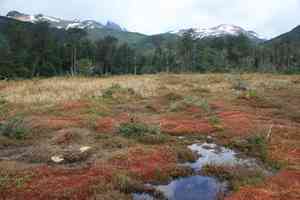
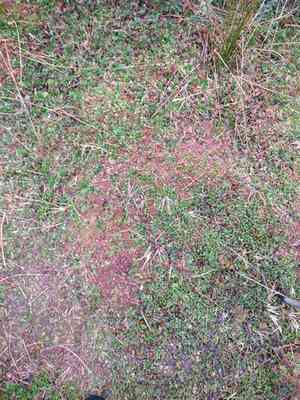
Magellan's sphagnum (Sphagnum magellanicum) is a red-purple moss found in moist taiga environments, often forming mats in peat bogs. This moss is essential for the health of these delicate ecosystems. Its extraction and export to countries like the U.S., Japan, and Chile are controversial due to the potential environmental impacts. Removing sphagnum moss can harm these ecosystems, disrupt biodiversity, and affect carbon storage and water regulation.
In This Article
Attributes of Magellan's sphagnum
Lifespan
Perennial
Plant Type
Moss
Plant Height
1-10 cm
Spread
N/A
Leaf Color
Red, Brown, Green
Flower Size
N/A
Flower Color
N/A
Images of Magellan's sphagnum

Quickly Identify Magellan's sphagnum
1
This species can be identified by its dense, cushiony appearance and red to brown coloration. The branches tend to form a star-shape when viewed from above.
Scientific Classification of Magellan's sphagnum
Phylum
Mosses
Class
Peat mosses
Order
Sphagnales
Family
Sphagnaceae
Genus
Sphagnum
Species
Magellan's sphagnum
Planting and Growing of Magellan's sphagnum
Care Difficulty
Hard
Watering Schedule
Every 4 days
Sunlight Requirements
Full shade
Sunshine Duration
6-10 hours
Ideal Temperature
55-65℉
Soil Type
Potting Mix, Peat Mix
Soil pH
3-5
Fertilizer Type
Balanced
Pruning Season
Spring, Summer
Pruning Area
Branches, Leaves
Pruning Frequency
2 times a year
Repotting Season
Spring
Pot Type
Terracotta, Plastic
 How to Water Magellan's sphagnum?
Sphagnum magellanicum thrives in consistently moist conditions. The key is to keep the moss saturated but not submerged. Water until the moss feels soggy but ensure there's no standing water around it. This helps maintain the desired humidity and prevents drying out.
What are the symptoms of an underwatered Magellan's sphagnum?
›
What should I do if my Magellan's sphagnum is not getting enough water?
›
What are the symptoms of an overwatered Magellan's sphagnum?
›
How to save an overwatered Magellan's sphagnum?
›
 What Are the Sunlight Requirements for Magellan's sphagnum?
The ideal light range for Sphagnum magellanicum is between full shade to partial sun settings. This ensures it maintains its moisture, vibrant color, and growth rate, creating an ideal environment for ecological sustainability.
What is the preferred light level for Sphagnum magellanicum?
›
How can I achieve the ideal light conditions for Sphagnum magellanicum?
›
What benefits does Sphagnum magellanicum gain from ideal lighting?
›
 What Is the Ideal Temperature Range for Magellan's sphagnum?
The optimal temperature range for Sphagnum magellanicum is between 55°F and 65°F. These conditions ensure healthy growth and development, as it mimics the cool and moist environments they naturally thrive in. Maintaining this temperature helps in achieving a robust and vibrant plant.
 What Soil is Best for Magellan's sphagnum?
Sphagnum magellanicum thrives in soils with high moisture retention, helping maintain consistent hydration levels vital for its growth. This property mimics its natural bog habitat, where moisture is abundant. This plant requires soil rich in organic matter, which provides the necessary nutrients and helps in its decomposition, creating an ideal growing medium full of essential minerals. Sphagnum magellanicum naturally grows in nutrient-poor conditions. Low nutrient content helps prevent competition with other plants, ensuring its survival in its native environment.
 How to Fertilize Magellan's sphagnum?
Sphagnum magellanicum, commonly known as Magellanic bog moss, thrives in nutrient-poor environments. When fertilizing, less is more; apply nutrients sparingly to avoid root damage. Use half the recommended dose of a weak, balanced liquid fertilizer (like 20-20-20) diluted to 1/4 strength.
 How to Prune Magellan's sphagnum?
Begin by inspecting your Sphagnum magellanicum for brown, yellow, or unhealthy looking sections. These areas are typically where moisture is not retained well, indicating a need for pruning. Using your cleaned tools, gently trim away the identified problem areas. Make sure to cut at a slight angle to promote water runoff and further reduce the chances of disease. Once pruning is complete, it is important to dispose of the removed material appropriately. Instead of composting, which could spread disease, place it in a sealed bag and remove with usual waste disposal methods.
 How to Propagate Magellan's sphagnum plant?
1
Before division, water the plant thoroughly to ensure it is well-hydrated. This makes it easier to separate and minimize stress during the process.
2
Carefully remove the parent plant from its pot and gently separate the moss into smaller sections. Ensure each section has a good root base to support new growth.
3
Immediately replant each divided section in a suitable substrate, ensuring each section is at the appropriate depth as it was before division.
 How to Repot Magellan's sphagnum plant?
1
Observing your Sphagnum magellanicum, you'll notice it's time for repotting when the moss appears densely packed or is overgrowing the container. Repotting during its active growth phases in spring or autumn ensures that the plant can easily adapt to its new environment. During these seasons, the plant is actively growing, making it the ideal time to minimize stress and maximize recovery.
2
Choose a wide and shallow pot with excellent drainage to accommodate the spread and moisture needs of Sphagnum magellanicum. This type of pot helps prevent waterlogging, keeping the moss healthy and vibrant. Ensure that the pot is not too deep as it might retain excess moisture, which can lead to root rot. A pot with several drainage holes will help maintain the right balance of moisture and aeration.
3
Opt for an acidic, moisture-retentive soil mix that can sufficiently hold water yet remain light enough to ensure moderate air circulation. This type of soil mirrors the natural boggy habitats of Sphagnum magellanicum, allowing it to thrive. A soil mix containing peat and a bit of sand or perlite will provide the necessary conditions, allowing the moss to flourish without the risk of drying out.

