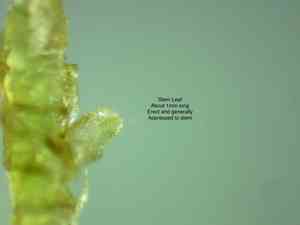
Sphagnum (Sphagnum fuscum)
Also known as: Brown peatmoss
Sphagnum moss excels in boggy, acidic wetlands due to several key traits. Its capacity to absorb and hold significant amounts of water helps maintain the consistently wet environment necessary for bogs. Sphagnum also acidifies its surroundings, which slows decomposition and creates a unique habitat where few plants can compete. Its efficient nutrient uptake from rainwater and resilience in nutrient-poor conditions further enable its survival. Additionally, Sphagnum contributes to peat formation, which is essential for carbon storage and influences the hydrology of the ecosystem. These characteristics make Sphagnum an indispensable element in bog habitats.
In This Article
Attributes of Sphagnum
Lifespan
Perennial
Plant Height
Up to 20 cm
Spread
Not applicable
Leaf Color
Reddish-brown
Flower Size
Not applicable
Flower Color
Not applicable
Images of Sphagnum
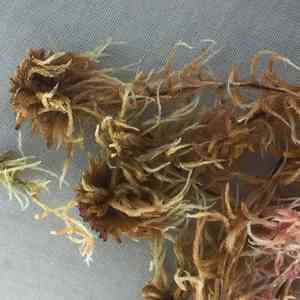
Quickly Identify Sphagnum
1
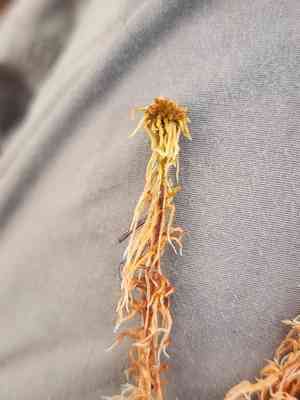
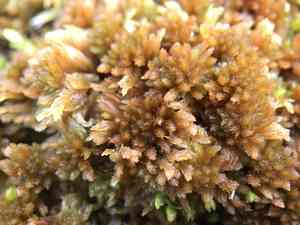
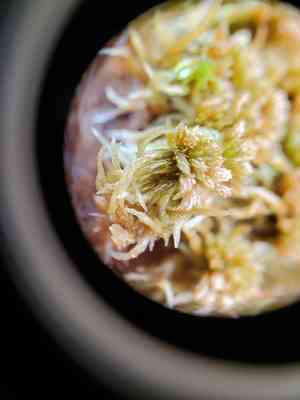
Sphagnum fuscum can be identified by its reddish-brown coloration, dense and compact growth habit, and the presence of clusters of small leaves arranged in a star-like pattern at the tips of the branches.
Scientific Classification of Sphagnum
Phylum
Bryophyta
Class
Sphagnopsida
Order
Sphagnales
Family
Sphagnaceae
Genus
Sphagnum
Planting and Growing of Sphagnum
Care Difficulty
Hard
Watering Schedule
Every 2 days
Sunlight Requirements
Partial sun
Sunshine Duration
6-10 hours
Ideal Temperature
50-68℉
Soil Type
Potting Mix, Peat Mix
Soil pH
3.5-5.5
Fertilizer Type
Balanced
Pruning Season
Spring, Summer
Pruning Area
Branches, Leaves
Pruning Frequency
2 times a year
Repotting Season
Spring
Pot Type
Plastic, Ceramic
 How to Water Sphagnum?
When watering Sphagnum fuscum, aim for a moderate level of moisture, ensuring water reaches about 200 ml per session. The goal is to keep the moss evenly damp without leaving it soggy. Sphagnum moss thrives in consistently moist environments, mimicking its natural wetland habitat.
What are the symptoms of an underwatered Sphagnum?
›
What should I do if my Sphagnum is not getting enough water?
›
What are the symptoms of an overwatered Sphagnum?
›
How to save an overwatered Sphagnum?
›
 What Are the Sunlight Requirements for Sphagnum?
Sphagnum fuscum thrives in partial sun to full shade. Ideal lighting enhances moisture retention, vibrant growth, and sustains its key environmental functions such as water filtration and habitat provision.
What is the best lighting condition for Sphagnum fuscum?
›
What solutions can you implement to achieve ideal lighting?
›
What are the benefits of ensuring ideal lighting conditions?
›
 What Is the Ideal Temperature Range for Sphagnum?
The ideal temperature range for Sphagnum fuscum is between 50°F and 68°F. This temperature range provides the most favorable conditions for photosynthesis and overall growth. When temperatures are maintained within this range, the plant can sustain moisture levels effectively and maintain its vibrant green color.
 What Soil is Best for Sphagnum?
Sphagnum fuscum thrives in acidic soil conditions, which help prevent nutrient lock-up. Acidic environments allow this moss to inhibit pathogen growth, improving its overall health. This plant requires soils with high moisture content, as it absorbs water directly through its leaves. Keeping the soil consistently moist helps the moss grow lush and prevents dehydration. Sphagnum fuscum is suited for nutrient-poor soils, as it naturally thrives in peat bogs where nutrient levels are low. This helps it outcompete other plants and reduces the risk of nutrient toxicity.
 How to Fertilize Sphagnum?
Sphagnum fuscum, commonly known as brown moss, does not typically require any fertilizer. It thrives in poor nutrient conditions and adding fertilizer can disrupt its natural growth processes.
 How to Prune Sphagnum?
Begin by inspecting the moss patch to identify dead or brown areas, which are less likely to contribute to healthy growth. Gently lift the moss to detect any hidden debris or excess growth. Trim these areas cautiously to avoid healthy sections. Trim any excess length that inhibits air circulation or light penetration. Avoid cutting too close to the moss base to prevent damage. Finish by ensuring the area is free of debris, allowing the moss to continue thriving.
More About Pruning Techniques→
 How to Propagate Sphagnum plant?
1
Carefully examine the Sphagnum fuscum to identify healthy sections for division. Ensure the selected sections are free of diseases and show vibrant, strong growth characteristics.
2
Clean and sterilize the cutting surface to prevent infections. A flat, sterile surface will help in making precise cuts and ensure the plant tissues remain uncontaminated.
3
Using the sterile scalpel or knife, separate the identified sections for division or begin with the tissue culture process by placing plant tissues into the growth medium.
 How to Repot Sphagnum plant?
1
Keep an eye out for signs like stunted growth, overly compacted roots, or poor water retention. The presence of these signals in Sphagnum fuscum often indicates it's time to repot. Spring and summer are ideal for repotting, as the plant is in a growth phase, allowing it to establish well in a new container.
2
Opt for a pot that is slightly larger than the current one, providing ample room for the roots to expand without becoming waterlogged. Ensure the pot has good drainage to mimic the plant's natural bog conditions, preventing root rot and promoting healthy growth.
3
Choose an acidic peat moss mix, closely resembling its natural habitat. This will help Sphagnum fuscum thrive by providing the necessary acidity and moisture retention it requires. The right soil mix supports healthy and vibrant growth, ensuring the longevity of your moss.


