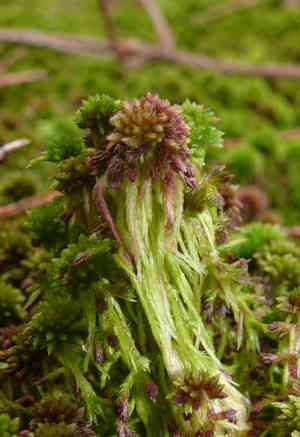
Sphagnum (Sphagnum capillifolium)
Also known as: Acute-leaved bog-moss
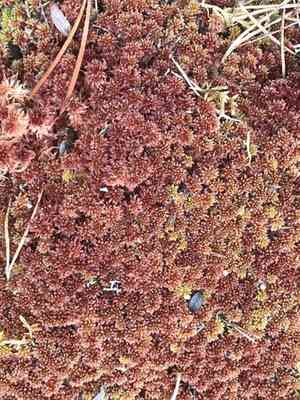
Sphagnum moss features slender, elongated branches and often displays a reddish tint. It is well-adapted to peat bog environments, with leaves capable of retaining significant amounts of water. This water retention is crucial for creating and maintaining the acidic, waterlogged conditions typical of peat bogs. Despite its delicate appearance, Sphagnum is highly resilient, enabling it to form extensive, dense mats. These mats not only help maintain the wet conditions but also contribute to the acidic environment by releasing hydrogen ions, further promoting the formation of peat.
In This Article
Attributes of Sphagnum
Lifespan
Perennial
Plant Height
1-10 cm
Spread
N/A
Leaf Color
Red, Pink, Green (depending on moisture level)
Flower Size
N/A
Flower Color
N/A
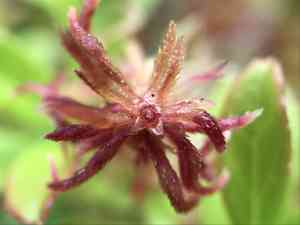
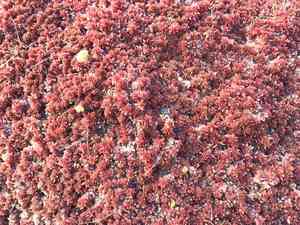
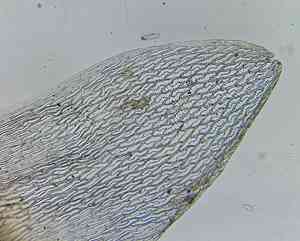
Images of Sphagnum
Quickly Identify Sphagnum
1
Identification can be done by observing its reddish to pinkish hues and dense, compact cushions. The leaves are small, narrowly triangular, and often appear frayed at the edges.
Scientific Classification of Sphagnum
Phylum
Bryophyta
Class
Sphagnopsida
Order
Sphagnales
Family
Sphagnaceae
Genus
Sphagnum
Planting and Growing of Sphagnum
Care Difficulty
Moderate
Watering Schedule
Every 2 days
Sunlight Requirements
Full shade
Sunshine Duration
6-8 hours
Ideal Temperature
45-70℉
Soil Type
Potting Mix, Peat Mix
Soil pH
3-5
Fertilizer Type
Balanced
Pruning Season
Spring, Summer
Pruning Area
Branches, Leaves
Pruning Frequency
2 times a year
Repotting Season
Spring
Pot Type
Ceramic, Plastic
 How to Water Sphagnum?
When watering Sphagnum capillifolium, ensure it remains evenly moist but not waterlogged. This typically means about 500 ml per watering session, adjusted for pot size and climatic conditions. You want the water to saturate the moss without pooling in the container.
What are the symptoms of an underwatered Sphagnum?
›
What should I do if my Sphagnum is not getting enough water?
›
What are the symptoms of an overwatered Sphagnum?
›
How to save an overwatered Sphagnum?
›
 What Are the Sunlight Requirements for Sphagnum?
Partial sun or full shade are ideal for Sphagnum capillifolium. Ideal lighting enriches the plant's color and growth rate, supporting its health and resilience. Balanced light exposure ensures robust photosynthesis without the risk of dehydration.
What is the optimal location for this plant?
›
How can this plant achieve the best light exposure?
›
Why is optimal lighting important for this plant?
›
 What Is the Ideal Temperature Range for Sphagnum?
The optimal temperature range for Sphagnum capillifolium is between 45°F and 70°F. Within this range, the plant exhibits robust growth and optimal health, as these temperatures mimic the cool, moist conditions of its natural habitat.
 What Soil is Best for Sphagnum?
Sphagnum capillifolium thrives in soil rich in organic matter, often found in peat soils. This organic richness supports the moss's growth by retaining moisture and nutrients, vital for its livelihood. An essential requirement for Sphagnum capillifolium is maintaining consistently moist environments, ideally achieved with peat bogs. This moisture retention is crucial for the moss's water and nutrient uptake. Preferring acidic soils, Sphagnum capillifolium thrives at pH levels below 5.0. Such conditions help the moss withstand competition and enhance nutrient availability, promoting healthy growth.
 How to Fertilize Sphagnum?
Sphagnum capillifolium generally does not require heavy fertilization. It can thrive well with minimal nutrients because it mainly absorbs water. If needed, apply a very diluted liquid fertilizer, with a concentration of 1/4th the recommended dose, to prevent nutrient burn.
 How to Prune Sphagnum?
Use sharp scissors or gardening shears designed for delicate plants to avoid tearing or damaging the moss. Sanitizing your tools before use is crucial to prevent the spread of pathogens. Examine your Sphagnum capillifolium closely to identify areas that are overly dense. These are the spots you'll want to focus on during pruning. The goal is to thin these areas to allow for better light penetration and air movement. Carefully trim away any dead or yellowing sections of the moss. This not only improves the overall appearance of your planting but also encourages the moss to focus its energy on healthy growth.
More About Pruning Techniques→
 How to Propagate Sphagnum plant?
1
Carefully collect mature segments of sphagnum moss ensuring that the chosen pieces are healthy and free from rot. Focus on selecting vibrant green tips, which indicate active growth and viability.
2
Prepare a suitable medium which is moist and sterile. A mix of peat and sand or a dedicated moss growing substrate works best. Ensure it's well-drained to prevent waterlogging.
3
Place moss segments gently on top of the prepared medium in propagation trays. Ensure segments are in contact with the substrate to enable root formation without burying them.
 How to Repot Sphagnum plant?
1
Sphagnum capillifolium should be repotted when its growth stagnates, or when you notice moss becoming dense and compacted, inhibiting further growth. Another sign is water pooling on the surface, indicating poor drainage. Repot during Spring or Summer for optimal acclimatization to new conditions.
2
Select a shallow, wide pot with excellent drainage to mimic the natural boggy conditions of Sphagnum capillifolium. The shallow nature helps prevent waterlogging, while the width allows the moss to spread and grow freely. A clay pot could be ideal as it aids in regulating the moisture levels.
3
Use moist, acidic peat soil to replicate the plant’s natural habitat. This soil should be well-draining yet retain moisture necessary for moss growth. The acidity is crucial as it parallels the nutrient profile the moss typically thrives in, promoting healthy development.


