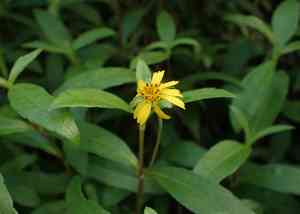
Chinese wedelia (Sphagneticola calendulacea)
Also known as: Wedelia chinensis, Chinese Wedelia, False Daisy
Chinese wedelia (Sphagneticola calendulacea) is a flowering plant found in East Asia and Southeast Asia. It is closely related to the bay Biscayne creeping oxeye, known for being a highly invasive species.
In This Article
Attributes of Chinese wedelia
Lifespan
Perennial
Plant Type
Herb, Vine
Plant Height
50 cm to 80 cm
Spread
30-60 cm
Leaf Color
Yellow
Flower Size
2 cm to 2.5 cm
Flower Color
Yellow
Images of Chinese wedelia
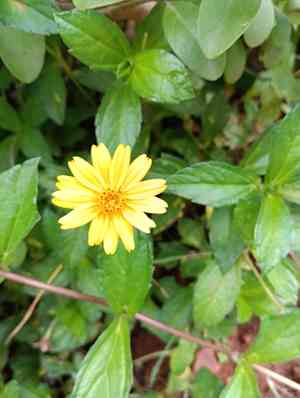
Quickly Identify Chinese wedelia
1
Identifying Sphagneticola calendulacea involves looking for its bright yellow, daisy-like flowers that are approximately 1-2 cm in diameter. The leaves are opposite, shiny, and have serrated margins. The plant often forms sprawling mats.
Scientific Classification of Chinese wedelia
Phylum
Vascular plants
Class
Dicotyledons
Order
Asters bellflowers fanflowers and allies
Family
Daisy
Genus
Creeping-oxeyes
Species
Chinese wedelia
Planting and Growing of Chinese wedelia
Care Difficulty
Easy
Watering Schedule
Every 4 days
Sunlight Requirements
Partial sun
Sunshine Duration
4-6 hours
Ideal Temperature
60-75℉
Soil Type
Potting Mix, Peat Mix
Soil pH
6.5-7.5
Fertilizer Type
Balanced
Pruning Season
Spring, Summer
Pruning Area
Branches, Leaves
Pruning Frequency
2 times a year
Repotting Season
Spring
Pot Type
Plastic, Ceramic
 How to Water Chinese wedelia?
When watering Sphagneticola calendulacea, aim to provide about 200ml of water per session. Ensure the soil is moist but not waterlogged. The guiding principle is to maintain consistent moisture, allowing the top layer of soil to dry slightly before watering again.
What are the symptoms of an underwatered Chinese wedelia?
›
What should I do if my Chinese wedelia is not getting enough water?
›
What are the symptoms of an overwatered Chinese wedelia?
›
How to save an overwatered Chinese wedelia?
›
 What Are the Sunlight Requirements for Chinese wedelia?
Partial to full sun exposure is ideal: it promotes vigorous growth and vibrant flowers without overstressing the plant. Good lighting supports photosynthesis and healthy nutrient development.
More About Sunlight Requirements Techniques→
How much sunlight does it need?
›
What solutions help achieve ideal light?
›
What happens if it receives ideal lighting?
›
 What Is the Ideal Temperature Range for Chinese wedelia?
The ideal temperature range for Sphagneticola calendulacea is between 60°F and 75°F. This range provides a stable environment that supports optimal growth and photosynthesis, ensuring the plant develops properly and maintains healthy foliage.
 What Soil is Best for Chinese wedelia?
Sphagneticola calendulacea thrives in well-drained soil, as this ensures that water does not stagnate around the roots, preventing root rot and promoting healthy growth. Proper drainage is crucial to maintain the right moisture balance. This plant benefits from nutrient-rich soils that provide essential minerals and organic matter, encouraging vibrant foliage and blooms. A compost-rich loam can offer a perfect nutrition balance for optimal health. Maintaining a moderate moisture level in the soil is beneficial for Sphagneticola calendulacea, as it ensures the plant stays hydrated without being waterlogged. Consistent moisture supports robust growth and resilience.
 How to Fertilize Chinese wedelia?
For Sphagneticola calendulacea, it's essential to ensure balanced nutrient intake by applying a moderate amount of fertilizer. Use approximately 5 grams of balanced 10-10-10 liquid fertilizer per plant during each application session. Be cautious not to exceed this amount, as the accumulation of excess nutrients can harm the plant.
 How to Prune Chinese wedelia?
Begin by removing any dead, damaged, or diseased stems and leaves to rejuvenate the plant. Cut these back to healthy tissue to promote new growth. Next, shape the plant by trimming back leggy or overgrown stems to encourage a bushier appearance. Cut back stems to just above a leaf node to stimulate new branching. To boost blooming, remove spent flowers regularly. This process, known as deadheading, helps the plant redirect energy into producing new blooms rather than seed production.
More About Pruning Techniques→
 How to Propagate Chinese wedelia plant?
1
Choose vibrant green, healthy stems for cutting. This ensures that the cuttings have the best chance of developing strong roots and growing into robust plants.
2
Use sharp pruning shears to cut a 4-6 inch section of the stem just below a leaf node. Leaves on the lower half should be removed to reduce water loss and focus energy on root development.
3
Prepare a well-draining soil mix of half peat and half perlite. This mixture allows for excellent drainage and aeration, which is vital for rooting cuttings.
 How to Repot Chinese wedelia plant?
1
Repot when you notice the plant becoming root-bound, which is indicated by roots growing through the drainage holes or visible at the surface. Yellowing leaves and slowed growth can also signify it's time to give your Sphagneticola calendulacea more space to thrive.
2
Select a pot that is one size larger than the current one, ensuring there is at least an inch of space all around the root ball. This allows for adequate root expansion and prevents the plant from becoming constricted too quickly. Ensure the pot has good drainage to keep the roots from sitting in water.
3
Opt for a well-draining potting mix that retains some moisture but doesn't become waterlogged. This type of soil provides the ideal environment for roots to obtain oxygen, allowing the plant to grow healthily without the risk of rot.



