Sphaerostephanos (Sphaerostephanos) (Sphaerostephanos)
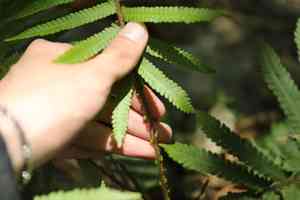
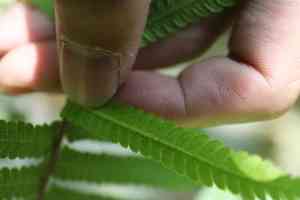
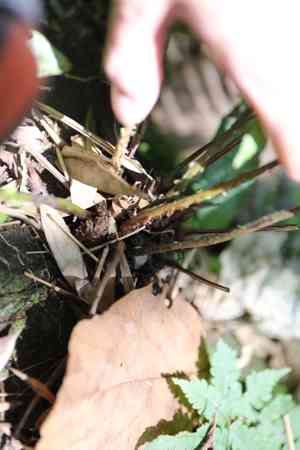
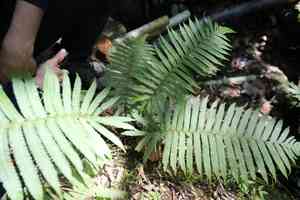
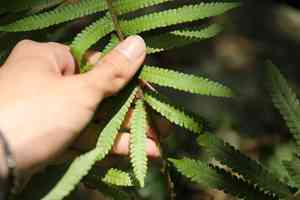
Sphaerostephanos is a genus of ferns in the Thelypteridaceae family. This genus comprises various species that typically inhabit tropical regions. Members of this genus are generally characterized by their feather-like, divided leaves and spore-producing structures situated on the undersides of their fronds.
In This Article
Attributes of Sphaerostephanos (Sphaerostephanos)
Lifespan
Perennial
Plant Height
Typically ranges from 30 cm to 1 meter depending on the species
Spread
Generally not applicable as they form clumps or colonies rather than a singular crown
Leaf Color
Green
Flower Size
Not applicable
Flower Color
Not applicable
Images of Sphaerostephanos (Sphaerostephanos)
Quickly Identify Sphaerostephanos (Sphaerostephanos)
1
To identify Sphaerostephanos ferns, look for the divided, feather-like leaves and the sori (clusters of sporangia) located on the underside of the fronds. These characteristics are common among the species within this genus.
Scientific Classification of Sphaerostephanos (Sphaerostephanos)
Phylum
Pteridophyta
Class
Polypodiopsida
Order
Polypodiales
Family
Thelypteridaceae
Genus
Sphaerostephanos
Planting and Growing of Sphaerostephanos (Sphaerostephanos)
Care Difficulty
Moderate
Watering Schedule
Every 3 days
Sunlight Requirements
Partial sun
Sunshine Duration
6-10 hours
Ideal Temperature
65-75℉
Soil Type
Potting Mix, Peat Mix
Soil pH
5.5-7
Fertilizer Type
Balanced
Pruning Season
Spring, Summer
Pruning Area
Branches, Leaves
Pruning Frequency
2 times a year
Repotting Season
Spring
Pot Type
Plastic, Ceramic
 How to Water Sphaerostephanos (Sphaerostephanos)?
The Sphaerostephanos plant appreciates a consistent watering routine, ensuring the soil is moist but not soggy. Each watering should deliver around 500 milliliters of water, aiming to evenly hydrate the root zone without oversaturation, which could lead to root rot. The soil should feel damp to touch just about an inch beneath the surface before watering again.
What are the symptoms of an underwatered Sphaerostephanos (Sphaerostephanos)?
›
What should I do if my Sphaerostephanos (Sphaerostephanos) is not getting enough water?
›
What are the symptoms of an overwatered Sphaerostephanos (Sphaerostephanos)?
›
How to save an overwatered Sphaerostephanos (Sphaerostephanos)?
›
 What Are the Sunlight Requirements for Sphaerostephanos (Sphaerostephanos)?
Partial sun exposure ensures this plant receives adequate light for photosynthesis without being overwhelmed. It results in thriving foliage, optimal growth, and a resilient plant body.
How much light does Sphaerostephanos need?
›
What solutions are there to optimize light exposure for Sphaerostephanos?
›
What are the benefits of optimal lighting for Sphaerostephanos?
›
 What Is the Ideal Temperature Range for Sphaerostephanos (Sphaerostephanos)?
The ideal temperature range for Sphaerostephanos is between 65°F to 75°F. This range simulates tropical conditions which are essential for its optimal growth and development. Maintaining this temperature ensures that the plant photosynthesizes efficiently, allowing it to produce healthy foliage.
 What Soil is Best for Sphaerostephanos (Sphaerostephanos)?
Sphaerostephanos thrives in soil with good moisture retention. This ensures that the plant's roots stay hydrated, supporting lush growth and vibrant foliage. While the plant prefers moisture, it also requires well-draining soil to prevent root rot. This balance helps Sphaerostephanos maintain robust health and vitality. A nutrient-rich soil provides essential minerals and nutrients crucial for the plant's growth and reproduction. This enriches the plant's ability to sustain its foliage and structure.
 How to Fertilize Sphaerostephanos (Sphaerostephanos)?
For Sphaerostephanos, an ideal fertilization regimen involves applying around 0.5 grams of balanced fertilizer per liter of water for each application. This ensures that the plant receives a steady supply of essential nutrients without overwhelming its root system.
 How to Prune Sphaerostephanos (Sphaerostephanos)?
When pruning, make clean cuts close to the base of the fronds, being cautious not to damage the central stem. Avoid cutting too many fronds at once as this can stress the plant. If you have multiple plants, sterilize your tools between each plant to prevent the spread of diseases. Rubbing alcohol or a bleach solution works well for this. Sphaerostephanos can have fronds that cause irritation. Wearing gloves protects your hands from possible allergic reactions or skin irritation.
 How to Propagate Sphaerostephanos (Sphaerostephanos) plant?
1
Look for natural separations between the plant clumps to determine where to make the cut. This helps maintain plant health and promote regrowth, as natural junctures reduce stress on both the parent and new plant.
2
Use a sharp spade to slice through the root ball at identified points. Ensure that each division has a healthy root system and a shoot. This is crucial for the establishment and growth of the new plants.
3
Replant the divided sections as soon as possible. Choose a suitable location with appropriate soil and climate conditions. Water the new divisions adequately to help them establish quickly in their new environment.
 How to Repot Sphaerostephanos (Sphaerostephanos) plant?
1
Monitor for signals such as roots emerging from drainage holes or stunted growth. These signs suggest that your Sphaerostephanos is becoming root-bound and requires repotting to encourage healthy growth.
2
Select a pot that is 1-2 inches larger in diameter than the current one. Ensure it has adequate drainage holes to prevent waterlogging, which can lead to root rot, thus ensuring healthy root development.
3
Use a well-draining potting mix rich in organic matter. This ensures aeration and avoids water retention, which is crucial in preventing root diseases for a healthy and robust plant.
Learn More About Sphaerostephanos (Sphaerostephanos) Diseases
Anthracnose
Bacterial Leaf Spot
Bacterial Soft Rot
Bacterial Wilt
Black Spot
Chemical Injury
Cyst Nematode
Damping-off
Downy Mildew
Drought Stress
Fusarium Wilt
Gray Mold
Leaf Curl
Leaf Spot
Mosaic
Nutrient Deficiency
Nutrient Toxicity
Powdery Mildew
Root Rot
Root-knot Nematode
Rusts
Sooty Mold
Spider Mites
Temperature Stress
Thrips Damage
White Mold

