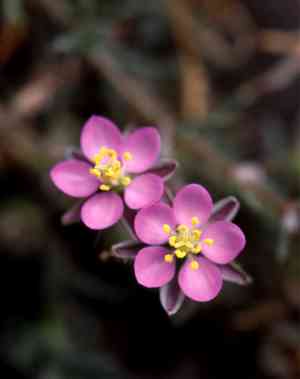
sandspurrys (Spergularia) (Spergularia)
Also known as: Sand Spurrey, Sand Spurry
Sandspurrys, also known as sea-spurreys, thrive in salty coastal regions. Native to Europe, Africa, and the Americas, these small plants feature attractive flowers. However, their limited size and specific habitat needs make them unsuitable for most ornamental gardening purposes.
In This Article
Attributes of sandspurrys (Spergularia)
Lifespan
Annual, Biennial
Plant Height
Up to 30 cm
Spread
Variable due to sprawling nature
Leaf Color
Green
Flower Size
0.5 to 1 cm
Flower Color
Pink, White
Images of sandspurrys (Spergularia)
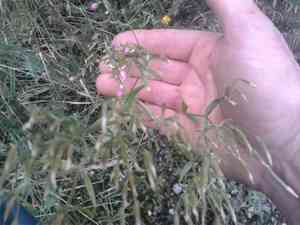
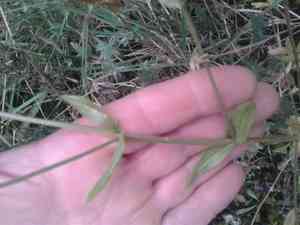
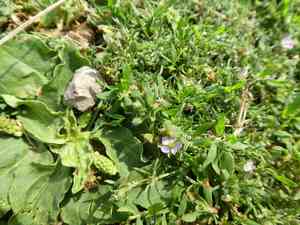
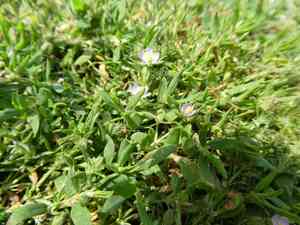
Quickly Identify sandspurrys (Spergularia)
1
Spergularia can be identified by their small, opposite leaves, and clusters of tiny, pink or white flowers. The plants often have a sprawling growth habit.
Scientific Classification of sandspurrys (Spergularia)
Phylum
Magnoliophyta
Class
Magnoliopsida
Order
Caryophyllales
Family
Caryophyllaceae
Genus
Spergularia
Planting and Growing of sandspurrys (Spergularia)
Care Difficulty
Moderate
Watering Schedule
Every 2 days
Sunlight Requirements
Full sun
Sunshine Duration
4-6 hours
Ideal Temperature
60-75℉
Soil Type
Potting Mix, Peat Mix
Soil pH
6-8
Fertilizer Type
Balanced
Pruning Season
Spring, Summer
Pruning Area
Branches, Leaves
Pruning Frequency
2 times a year
Repotting Season
Spring
Pot Type
Plastic, Ceramic
 How to Water sandspurrys (Spergularia)?
Spergularia requires careful watering as it prefers slightly moist conditions. Watering should be just enough to moisten the top layer of soil, around 50 milliliters per session, taking care not to saturate the soil which could lead to root rot.
What are the symptoms of an underwatered sandspurrys (Spergularia)?
›
What should I do if my sandspurrys (Spergularia) is not getting enough water?
›
What are the symptoms of an overwatered sandspurrys (Spergularia)?
›
How to save an overwatered sandspurrys (Spergularia)?
›
 What Are the Sunlight Requirements for sandspurrys (Spergularia)?
Ideal light falls between full sun and partial sun conditions, with consistent exposure ensuring balanced photosynthesis. This fosters growth, vibrant foliage, and flowering.
What is the ideal light intensity for Spergularia?
›
How can I ensure Spergularia gets proper sunlight?
›
What benefits does ideal lighting provide for Spergularia?
›
 What Is the Ideal Temperature Range for sandspurrys (Spergularia)?
For optimal growth, Spergularia thrives in temperatures that range from 60°F to 75°F. This range provides balanced thermal conditions that encourage healthy foliage and flowering. Maintaining this temperature range helps the plant perform vital physiological processes efficiently, resulting in robust growth.
 What Soil is Best for sandspurrys (Spergularia)?
Spergularia requires well-drained soil. Proper drainage prevents root rot and allows the plant roots to access nutrients effectively, promoting healthy growth and resilience. This plant thrives in sandy or loamy soil. These textures provide excellent aeration which is essential for root health, allowing roots to expand easily and absorb nutrients. Moderate nutrient levels are appropriate for Spergularia. Balanced nutrients support lush, robust growth and ensure that the plant can flower effectively and maintain a healthy life cycle.
 How to Fertilize sandspurrys (Spergularia)?
For Spergularia, the fertilizer amount should be modest, considering its generally low nutrient needs. A balanced liquid fertilizer, diluted to half-strength, is ideal. Use around 1/4 to 1/2 teaspoon per gallon of water when applying liquid fertilizers. Avoid going overboard as excess can harm the plant.
 How to Prune sandspurrys (Spergularia)?
Examine the plant and identify areas that look overgrown or leggy. Focus on areas where the plant has become too dense, which can limit sunlight to lower branches. Make your cuts just above leaf nodes or buds. This stimulates new growth from these nodes, helping the plant to grow bushier and more robustly. Trim away any old or dead stems and leaves. Removing these parts not only makes the plant look neater but also directs the plant's energy towards newer, healthier growth.
 How to Propagate sandspurrys (Spergularia) plant?
1
Begin by filling seed trays with potting mix and evenly distributing the seeds on the surface. Gently press them into the mix to ensure good seed-to-soil contact, and water lightly to moisten the soil.
2
Place the seed trays under grow lights or in a bright, indirect sunlight location. Ensuring sufficient light is crucial for germination and seedling health, which helps prevent leggy growth.
3
Once seedlings have developed at least two sets of true leaves, carefully transplant them into individual pots or directly into the garden, ensuring they have adequate spacing for growth.
 How to Repot sandspurrys (Spergularia) plant?
1
Repot your Spergularia when you notice signs like stunted growth, roots emerging from the drainage holes, or the soil drying out rapidly after watering. These are clear indicators that your plant has outgrown its current pot and needs a fresh start in a new home.
2
Select a pot that is no more than 1-2 inches larger in diameter than your current one. A pot that is too large can lead to water retention issues, which are detrimental to your Spergularia. Ensure it has proper drainage holes to prevent waterlogging, a critical factor for healthy root development.
3
Opt for a well-draining sandy mix to mimic the natural habitat of Spergularia. This type of soil allows excess water to escape, prevents root rot, and ensures your plant receives the right balance of air and moisture it needs to thrive.

