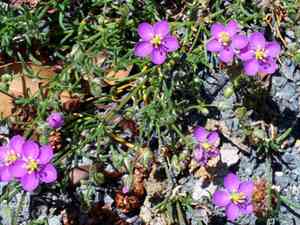
Red sandspurry (Spergularia rubra)
Also known as: Purple sandspurry, Ruby sandspurry
Red sandspurry (Spergularia rubra) is a plant species that originates from both Europe and Asia. This plant thrives in diverse habitats and is frequently regarded as a widespread weed.
In This Article
Attributes of Red sandspurry
Lifespan
Annual, Perennial, Biennial
Plant Type
Herb
Plant Height
10 cm to 30 cm
Spread
Typically forms small mats, up to 30 cm wide
Leaf Color
Green
Flower Size
4 mm to 6 mm
Flower Color
Pink Purple Red
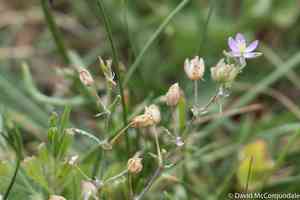
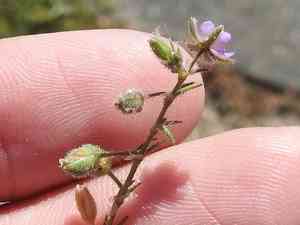
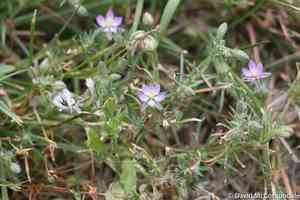
Images of Red sandspurry
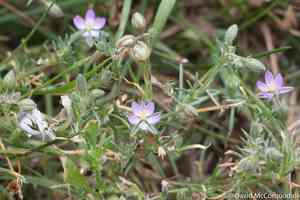
Quickly Identify Red sandspurry
1
To identify Spergularia rubra, look for small, sprawling plants with slender stems and linear leaves. The flowers are pink to red and have five petals. It often forms small mats on sandy or disturbed soils.
Scientific Classification of Red sandspurry
Phylum
Vascular plants
Class
Dicotyledons
Order
Caryophyllales
Family
Pink
Genus
sandspurrys
Species
Red sandspurry
Planting and Growing of Red sandspurry
Care Difficulty
Easy
Watering Schedule
Every 4 days
Sunlight Requirements
Full sun
Sunshine Duration
6-10 hours
Ideal Temperature
60-75℉
Soil Type
Potting Mix, Peat Mix
Soil pH
6.5-7.5
Fertilizer Type
Balanced
Pruning Season
Spring, Summer
Pruning Area
Branches, Leaves
Pruning Frequency
2 times a year
Repotting Season
Spring
Pot Type
Ceramic, Plastic
 How to Water Red sandspurry?
Spergularia rubra thrives well when the soil is kept moderately moist, but not soggy. It is essential to allow the top 2-3 centimeters of soil to dry out between waterings. The key is consistency; make sure to water until you see a bit of water draining from the bottom, which typically indicates that the root zone has been adequately reached.
What are the symptoms of an underwatered Red sandspurry?
›
What should I do if my Red sandspurry is not getting enough water?
›
What are the symptoms of an overwatered Red sandspurry?
›
How to save an overwatered Red sandspurry?
›
 What Are the Sunlight Requirements for Red sandspurry?
Spergularia rubra ideally requires full to partial sunlight, about 6 to 8 hours daily. Adequate light promotes strong photosynthetic activity, leading to healthy, vigorous growth and potentially more blooms.
More About Sunlight Requirements Techniques→
How much light does it need?
›
Solutions to achieve ideal lighting
›
Benefits of ideal light conditions
›
 What Is the Ideal Temperature Range for Red sandspurry?
The ideal temperature range for Spergularia rubra is between 60°F and 75°F. These conditions create an optimal environment that supports healthy growth, photosynthesis, and overall well-being of the plant.
 What Soil is Best for Red sandspurry?
Spergularia rubra thrives in soil with excellent drainage. This prevents root rot and ensures that the plant can access nutrients efficiently, leading to healthy growth. The plant prefers moderately fertile soil which provides essential nutrients without overwhelming root structures, encouraging balanced growth and flowering. This species does well in soil with low to moderate moisture levels, replicating its natural habitat. Careful moisture management helps prevent root diseases and stress.
 How to Fertilize Red sandspurry?
Spergularia rubra typically requires a modest amount of fertilizer due to its ability to thrive in relatively poor soil environments. Over-fertilizing this plant can lead to lush foliage at the expense of flowering. A diluted liquid fertilizer solution at one-quarter strength is optimal for monthly feedings, ensuring the plant receives adequate nutrients without risking nutrient burn.
 How to Prune Red sandspurry?
Begin by identifying any dead or damaged stems. Use sharp, clean shears to make cuts at a 45-degree angle just above the healthy node. Follow the plant's natural shape; avoid drastic alterations. Thiessen out cramped areas to improve air circulation and sunlight penetration, which boosts the health of Spergularia rubra and encourages more vigorous growth.
More About Pruning Techniques→
 How to Propagate Red sandspurry plant?
1
Begin by filling the seed trays with potting soil, ensuring that the soil is evenly distributed. Lightly pat the surface to create a flat and firm planting area. Moisten the soil with a gentle spray of water to prepare it for sowing.
2
Scatter Spergularia rubra seeds evenly over the prepared soil surface. Ensure that seeds are adequately spaced to allow for air circulation and light penetration. Cover them lightly with a thin layer of soil or sand, and water gently to avoid displacing the seeds.
3
Keep the soil consistently moist but not waterlogged by misting daily. It's crucial to ensure that the seeds are kept in a warm, sunny location to emulate natural growth conditions. Monitor the temperature to support germination.
 How to Repot Red sandspurry plant?
1
Spergularia rubra shows signs of needing a repot when its roots start circling the pot or growing out of the drainage holes, indicating it's root-bound. Stunted growth or a general decline in vigor are also signals it’s time to give your plant a new home.
2
Selecting the proper pot is crucial; it should be only slightly larger than the current one to prevent waterlogging and root rot, while ensuring the drainage is excellent to cater to the plant's preference for drier roots.
3
The ideal soil for Spergularia rubra should be sandy and well-draining to mimic its natural habitat. This ensures that excess moisture doesn't stagnate, reducing the risk of root rot and promoting healthy root development.



