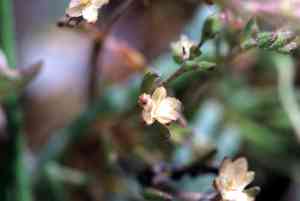
Canadian sandspurry (Spergularia canadensis)
Also known as: Canada sandspurry, Western sand-spurrey
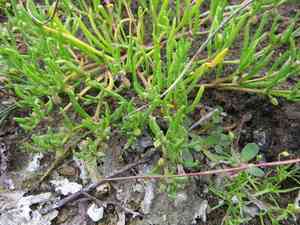
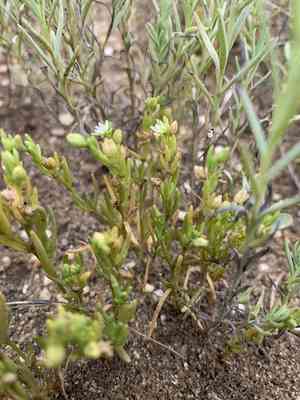
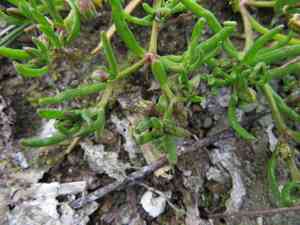
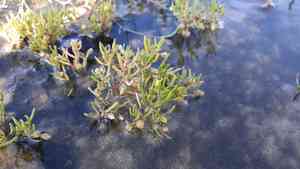
This annual herb features a stem that can be either slender or thick, reaching up to 25 centimeters in length and adorned with fleshy, linear leaves that can grow up to 4.5 centimeters long. The flowers are found in clusters at the stem's end and in the leaf axils. They are small with five pointed sepals and five oval petals that are either white or pink. The fruit is a capsule that houses shiny, reddish-brown seeds.
In This Article
Attributes of Canadian sandspurry
Lifespan
Annual
Plant Type
Herb
Plant Height
10 to 30 cm
Spread
N/A - as it is a herbaceous plant and does not form a crown
Leaf Color
Green
Flower Size
Approximately 0.5 cm
Flower Color
White Purple
Images of Canadian sandspurry
Quickly Identify Canadian sandspurry
1
Identify Spergularia canadensis by its small, star-shaped pink or white flowers, linear to lanceolate leaves, and the presence of glandular hairs on the stems and leaves. Look for the distinctive five-petaled flowers and notched petals.
Scientific Classification of Canadian sandspurry
Phylum
Vascular plants
Class
Dicotyledons
Order
Caryophyllales
Family
Pink
Genus
sandspurrys
Species
Canadian sandspurry
Planting and Growing of Canadian sandspurry
Care Difficulty
Easy
Watering Schedule
Every 2 days
Sunlight Requirements
Full sun
Sunshine Duration
6-10 hours
Ideal Temperature
55-77℉
Soil Type
Potting Mix, Peat Mix
Soil pH
6-8
Fertilizer Type
Balanced
Pruning Season
Spring, Summer
Pruning Area
Branches, Leaves
Pruning Frequency
2 times a year
Repotting Season
Spring
Pot Type
Plastic, Ceramic
 How to Water Canadian sandspurry?
For Spergularia canadensis, watering should be done with an amount that allows the soil to remain slightly moist but not waterlogged. The ideal amount is approximately 200 ml per session, ensuring adequate moisture without risking root rot.
What are the symptoms of an underwatered Canadian sandspurry?
›
What should I do if my Canadian sandspurry is not getting enough water?
›
What are the symptoms of an overwatered Canadian sandspurry?
›
How to save an overwatered Canadian sandspurry?
›
 What Are the Sunlight Requirements for Canadian sandspurry?
Partial to full sun exposure ensures that Spergularia canadensis receives enough light for photosynthesis, promoting healthy growth and flowering.
Solution for Ideal Lighting
›
Specific Measures to Gain Ideal Light
›
Benefits of Ideal Lighting
›
 What Is the Ideal Temperature Range for Canadian sandspurry?
The ideal temperature range for Spergularia canadensis is between 55°F and 77°F. Within this range, the plant experiences optimal growth and development. Moderate temperatures help in maintaining the delicate balance of internal processes like photosynthesis and respiration, which are crucial for the plant's health and vigor.
 What Soil is Best for Canadian sandspurry?
Spergularia canadensis requires well-draining soil to thrive. Good drainage prevents root rot by reducing standing water around the roots. In sandy or loamy soils, water percolates efficiently, allowing the roots to breathe and access the oxygen they need. This plant prefers soils that provide a balanced range of nutrients. Loamy soil, being rich and fertile, offers an ideal nutrient profile. Nutrients such as nitrogen, phosphorus, and potassium in the adequate range support healthy growth and robust flowering. A well-structured soil with good porosity ensures that roots can easily penetrate and spread. This trait is crucial for the establishment and vigor of Spergularia canadensis, which benefits from an expansive root system for stability and nutrient uptake.
 How to Fertilize Canadian sandspurry?
For Spergularia canadensis, use a balanced fertilizer at half strength. Liquid fertilizers should be diluted to half the recommended dosage on the packaging. Solid fertilizers should be applied sparingly, ensuring not to overload the soil nutrients.
 How to Prune Canadian sandspurry?
When pruning Spergularia canadensis, start by removing any dead or damaged stems to enhance the plant's overall appearance and health. Next, target stems that have become overgrown or unruly, cutting them back to a desirable size to maintain the plant’s natural shape.
 How to Propagate Canadian sandspurry plant?
1
Fill the seed tray with a well-draining potting mix, leaving a small gap at the top. Lightly moisten the soil to prepare it for sowing. Ensure even distribution to promote uniform growth.
2
Sprinkle the Spergularia canadensis seeds evenly over the surface of the moist potting mix. Gently press the seeds into the soil without burying them too deep, as they require light for germination.
3
Cover the seed tray with a clear plastic lid or wrap to maintain humidity. Place it in a well-lit area, avoiding direct sunlight, to create the right conditions for germination which occurs within two weeks.
 How to Repot Canadian sandspurry plant?
1
When you notice roots growing out of the drainage holes or when the plant appears stunted despite proper care, it’s a good indicator that Spergularia canadensis needs repotting. Spring or Summer is ideal due to the growing season, allowing for quick recovery.
2
Select a pot one size larger with drainage holes to prevent waterlogging. A clay pot is a superb choice as it helps to wick away excess moisture, promoting a healthy root system. The added weight of clay pots also provides stability for taller plants.
3
Opt for a sandy, well-draining mix to mimic its natural habitat; this ensures adequate aeration and prevents root rot. Incorporating perlite or coarse sand into regular potting soil optimizes drainage, creating the perfect environment for healthy growth.
Learn More About Canadian sandspurry Diseases
Bacterial Leaf Spot
Bacterial Soft Rot
Chemical Injury
Cyst Nematode
Damping-off
Downy Mildew
Drought Stress
Fusarium Wilt
Gray Mold
Leaf Spot
Mosaic
Nutrient Deficiency
Nutrient Toxicity
Powdery Mildew
Root Rot
Root-knot Nematode
Rusts
Sooty Mold
Spider Mites
Temperature Stress
Thrips Damage
White Mold



