
Spurrys (Spergula) (Spergula)
Also known as: Sparks
Chickweed (Stellaria media) is known for its small white flowers and slender leaves. This resilient plant thrives in disturbed environments like gardens, meadows, and roadsides. Often considered a hardy and rapidly spreading weed, chickweed can infiltrate crop fields and grazing pastures, making it a common sight in areas impacted by human activity.
In This Article
Attributes of Spurrys (Spergula)
Lifespan
Annual
Plant Height
10-30 cm
Spread
Not applicable
Leaf Color
Green
Flower Size
5-8 mm
Flower Color
White
Images of Spurrys (Spergula)
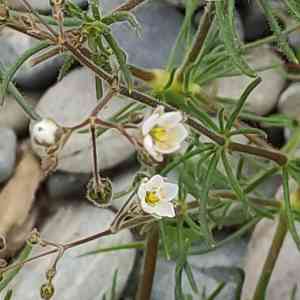
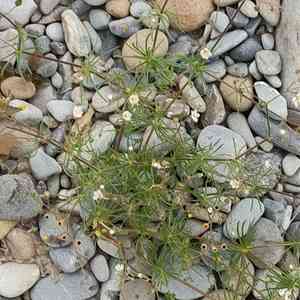
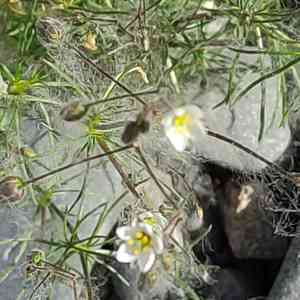
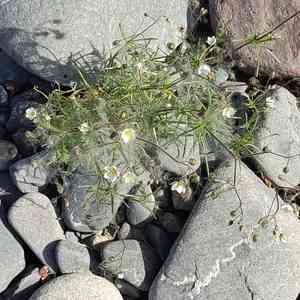
Quickly Identify Spurrys (Spergula)
1
Spergula species can be identified by their slender, needle-like leaves and small, white, star-shaped flowers. The plants often form dense mats or tufts.
Scientific Classification of Spurrys (Spergula)
Phylum
Magnoliophyta
Class
Magnoliopsida
Order
Caryophyllales
Family
Caryophyllaceae
Genus
Spergula
Planting and Growing of Spurrys (Spergula)
Care Difficulty
Easy
Watering Schedule
Every 6 days
Sunlight Requirements
Full sun
Sunshine Duration
6-10 hours
Ideal Temperature
50-77℉
Soil Type
Potting Mix, Peat Mix
Soil pH
6.5-7.5
Fertilizer Type
Balanced
Pruning Season
Spring, Summer
Pruning Area
Branches, Leaves
Pruning Frequency
2 times a year
Repotting Season
Spring
Pot Type
Plastic, Ceramic
 How to Water Spurrys (Spergula)?
Water this plant with about 150 milliliters per session, enough to moisten the soil but avoid flooding. The soil should feel damp to the touch, yet not soggy. Ensure the water drains well to prevent root rot.
What are the symptoms of an underwatered Spurrys (Spergula)?
›
What should I do if my Spurrys (Spergula) is not getting enough water?
›
What are the symptoms of an overwatered Spurrys (Spergula)?
›
How to save an overwatered Spurrys (Spergula)?
›
 What Are the Sunlight Requirements for Spurrys (Spergula)?
Spergula prospers under full to partial sun conditions, which means it requires constant exposure to sunlight for at least 6 to 8 hours. This amount of light is crucial in maintaining its growth rate, health, and vibrant foliage.
What is the ideal sunlight intensity?
›
How do I increase sunlight exposure for my plant?
›
What are the benefits of adequate sunlight for Spergula?
›
 What Is the Ideal Temperature Range for Spurrys (Spergula)?
Spergula thrives best in a temperature range that ensures steady growth without stress. The range of 50°F to 77°F allows the plant to maintain optimal metabolic activities. Within this range, enzymatic processes function efficiently, promoting better nutrient uptake and photosynthesis. It is crucial to maintain these temperatures consistently to avoid growth stagnation and ensure robust health.
 What Soil is Best for Spurrys (Spergula)?
Spergula thrives in well-drained soils that prevent waterlogging, as excessive moisture can lead to root rot. Such soil ensures aeration and proper nutrient absorption, vital for the plant's robust growth. Though not overly demanding, Spergula benefits from soils with moderate fertility, which promote healthy root development and foliage production, thereby enhancing the plant's resilience. Providing a nutrient-rich soil composition helps sustain Spergula's growth. Trace elements and minerals facilitate flowering and ensure a vibrant vegetative phase across seasons.
 How to Fertilize Spurrys (Spergula)?
For Spergula, apply a balanced liquid fertilizer at half the recommended rate to avoid over-fertilization. This supports healthy growth without risking nutrient burn, ensuring your plants receive a balanced diet without nutrient overload.
 How to Prune Spurrys (Spergula)?
Start by evaluating the overall shape of Spergula. Trim away any outlying stems to maintain a compact, tidy form. Carefully clip the tips of leggy stems to stimulate branching and create a bushier appearance. Remove any flowers that have faded to encourage new blooms and prevent the plant from wasting energy on seed production. Pruning is best done in early spring or summer when the plant is actively growing, ensuring that any cuts heal quickly. Avoid heavy pruning in late autumn or winter, as this could stress the plant when it's in a dormant phase.
 How to Propagate Spurrys (Spergula) plant?
1
Prepare a seed tray with a well-draining soil mix. Scatter seeds evenly and cover lightly with soil. Water gently and maintain moisture until germination occurs in a few weeks.
2
Select healthy, non-flowering shoots from the plant. Using sharp pruners, cut 4-6 inch long segments below a node. Remove lower leaves to expose the nodes for root growth.
3
Dip the cut end of each cutting in rooting hormone and plant it in a prepared pot with a well-draining mix. Firm the soil around the cutting and water lightly to settle.
 How to Repot Spurrys (Spergula) plant?
1
The ideal time to repot Spergula is in spring when new growth appears. Look for crowded roots or sluggish growth as indicators. Repotting during the growth period minimizes stress and maximizes recovery.
2
Opt for a pot slightly larger than the current one, with adequate drainage. A terracotta pot is optimal as it allows excess moisture to evaporate, reducing the risk of root rot.
3
Spergula thrives in well-draining sandy soil that mimics its natural habitat. This choice ensures excellent drainage, prevents waterlogging, and supports healthy root development.

