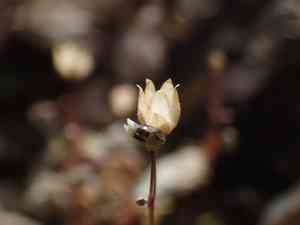
Wingstem spurry (Spergula pentandra)
Also known as: Five-anther spurrey
Wingstem spurry is a fragile annual herb notable for its needle-like leaves arranged in whorls and its small, white, five-petaled flowers. It excels in sandy, well-drained soils and is particularly suited to low-fertility areas due to its deep root system, which helps it access nutrients efficiently. Its fine foliage reduces water loss, making it highly adaptable to open, dry environments.
In This Article
Attributes of Wingstem spurry
Lifespan
Annual
Plant Type
Herb
Plant Height
5 to 20 centimeters
Spread
N/A
Leaf Color
Green
Flower Size
Up to 0.5 centimeters
Flower Color
White
Images of Wingstem spurry
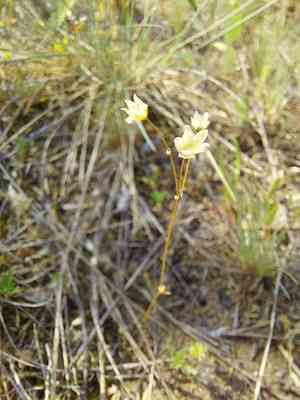
Quickly Identify Wingstem spurry
1
Identifying Spergula pentandra involves noting its small size, thread-like leaves, and small white flowers with five stamens. The stems are slender and can be slightly sticky. It usually forms a low-growing mat.
Scientific Classification of Wingstem spurry
Phylum
Vascular plants
Class
Dicotyledons
Order
Caryophyllales
Family
Pink
Genus
Spurrys
Species
Wingstem spurry
Planting and Growing of Wingstem spurry
Care Difficulty
Moderate
Watering Schedule
Every 3 days
Sunlight Requirements
Partial sun
Sunshine Duration
6-10 hours
Ideal Temperature
50-77℉
Soil Type
Potting Mix, Peat Mix
Soil pH
6-8
Fertilizer Type
Balanced
Pruning Season
Spring, Summer
Pruning Area
Branches, Leaves
Pruning Frequency
2 times a year
Repotting Season
Spring
Pot Type
Plastic, Terracotta
 How to Water Wingstem spurry?
For Spergula pentandra, it's crucial to water deeply until the soil is moist but not soggy. The rule of thumb is to allow the top inch of the soil to dry out between waterings, ensuring the soil remains well-draining.
What are the symptoms of an underwatered Wingstem spurry?
›
What should I do if my Wingstem spurry is not getting enough water?
›
What are the symptoms of an overwatered Wingstem spurry?
›
How to save an overwatered Wingstem spurry?
›
 What Are the Sunlight Requirements for Wingstem spurry?
Partial sun is ideal for Spergula pentandra, allowing it to receive enough light for photosynthesis while avoiding the harmful effects of full sun exposure. This balance leads to vigorous growth and optimal health.
What is the ideal light exposure for Spergula pentandra?
›
How can you ensure proper light conditions for this plant?
›
What benefits does optimal lighting provide this plant?
›
 What Is the Ideal Temperature Range for Wingstem spurry?
The ideal temperature range for growing Spergula pentandra is between 50°F and 77°F. This range provides optimal conditions for photosynthesis, flowering, and growth. Maintaining this temperature range ensures the consistent development of the plant's physiological processes and minimizes stress.
 What Soil is Best for Wingstem spurry?
Spergula pentandra thrives in soils that are moderately rich in nutrients. It ensures that the plant has access to vital nutrients needed for growth and flowering, promoting healthier and more robust development. This plant requires well-draining soil to prevent waterlogging and root rot. The ability to drain excess water helps maintain optimal moisture levels, which is crucial for the plant's root health and overall vitality. Spergula pentandra prefers soil that allows sunlight penetration to encourage photosynthesis. This ensures sufficient energy production for growth, enhancing the plant's blooming and resilience.
 How to Fertilize Wingstem spurry?
For Spergula pentandra, a modest approach to fertilization works best. Use a balanced fertilizer diluted to half strength. Over-fertilizing can lead to an unhealthy buildup in the soil, so it’s important to err on the side of caution. Generally, 1 tablespoon of liquid fertilizer per gallon of water suffices.
 How to Prune Wingstem spurry?
Prune Spergula pentandra by first identifying any dead or damaged stems and cutting them back to healthy tissue using sharp, sanitized shears. Focus on maintaining a natural shape, and avoid cutting more than one-third of the plant at a time to encourage healthy growth. To maintain the ideal shape for Spergula pentandra, perform a gentle trimming in spring and mid-summer. Remove any overcrowded or crossing stems to improve air circulation. This helps to prevent fungal diseases and encourages a more vigorous appearance.
More About Pruning Techniques→
 How to Propagate Wingstem spurry plant?
1
Begin by filling the seed trays with sterile potting mix. Sow the seeds evenly across the surface, using a light hand to ensure they are not overcrowded. Cover the seeds lightly with a thin layer of potting mix, ensuring they are barely covered to allow light penetration.
2
Gently mist the seeds with water to avoid displacing them. It is crucial to maintain a consistent moisture level without overwatering, as excess water can lead to fungal diseases and seed rot.
3
Place the seed trays in a location with ample indirect sunlight or under grow lights. This provides the necessary light conditions for germination and seedling development, promoting healthy growth.
 How to Repot Wingstem spurry plant?
1
Repot Spergula pentandra when you notice roots coming out of the drainage holes or the plant seems top-heavy, signaling that it's outgrowing its current pot. Another indicator is if the soil dries out too quickly after watering, suggesting root-bound conditions. An ideal time for repotting is during the active growing seasons, spring or autumn when the plant can recover quickly.
2
Choose a pot that is one size larger than the current one, typically 2 inches wider in diameter. Ensure the pot has drainage holes to allow excess water to escape, preventing root rot. A terracotta pot is recommended as it allows the soil to dry out faster than plastic, which is beneficial for avoiding overwatering issues common with this plant species.
3
Use a well-draining sandy mix for repotting Spergula pentandra. This mix mimics the natural habitat of the plant, offering good drainage to prevent waterlogging and root rot. The sandy soil also provides aeration to the roots and is less compact than regular garden soil, promoting healthy root development.



