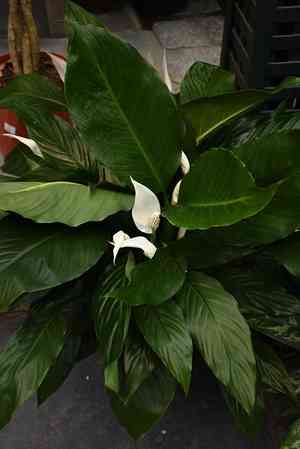
Spathiphyllum wendlandii (Spathiphyllum wendlandii)
Also known as: Peace Lily
Spathiphyllum wendlandii, commonly known as the Peace Lily Wendlandii, is a perennial evergreen plant characterized by its dark green leaves and white spathes that resemble flowers. It is widely admired for its aesthetic appeal and ability to purify indoor air.
In This Article
Attributes of Spathiphyllum wendlandii
Lifespan
Spathiphyllum wendlandii, also known as Wendland's Spathe Flower, is a perennial plant.
Plant Height
1-2 feet
Spread
1-2 feet
Leaf Color
Dark green
Flower Size
10-15 cm
Flower Color
White
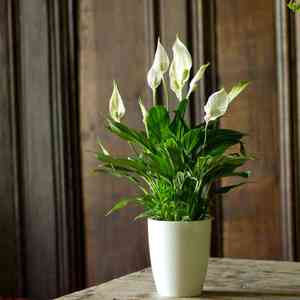
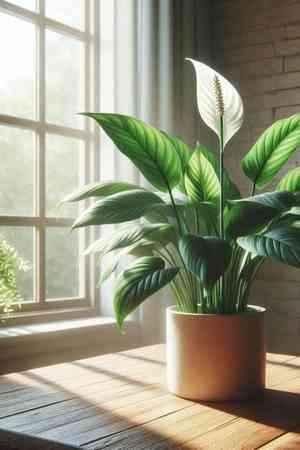
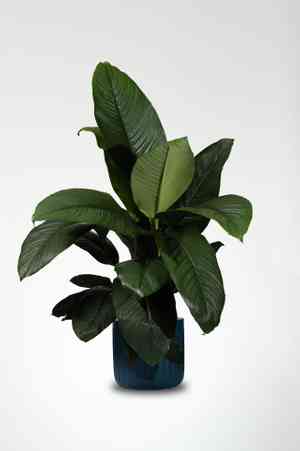
Images of Spathiphyllum wendlandii
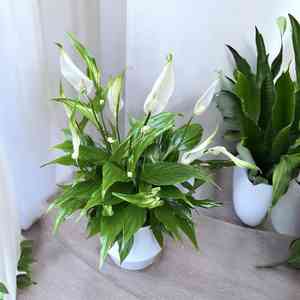
Quickly Identify Spathiphyllum wendlandii
1
Identify Spathiphyllum wendlandii by its wide, glossy leaves and the distinctive white spathes, which emerge from stalks rising above the foliage. The plant typically grows in clumps and prefers shaded or partially shaded areas.
Scientific Classification of Spathiphyllum wendlandii
Phylum
Magnoliophyta
Class
Liliopsida
Order
Alismatales
Family
Araceae
Genus
Spathiphyllum
Planting and Growing of Spathiphyllum wendlandii
Care Difficulty
Easy
Watering Schedule
Every 3 days
Sunlight Requirements
Partial sun
Sunshine Duration
4-6 hours
Ideal Temperature
65-75℉
Soil Type
Potting Mix, Peat Mix
Soil pH
6.5-7.5
Fertilizer Type
Balanced
Pruning Season
Spring, Summer
Pruning Area
Branches, Leaves
Pruning Frequency
2 times a year
Repotting Season
Spring
Pot Type
Plastic, Ceramic
 How to Water Spathiphyllum wendlandii?
Spathiphyllum wendlandii requires a watering approach that keeps the soil evenly moist but not waterlogged. Watering with approximately 250 milliliters each time ensures the soil is adequately moist without suffocating the roots. The key is to water thoroughly until the water begins to drain out of the bottom of the pot, indicating that the roots have adequate moisture.
What are the symptoms of an underwatered Spathiphyllum wendlandii?
›
What should I do if my Spathiphyllum wendlandii is not getting enough water?
›
What are the symptoms of an overwatered Spathiphyllum wendlandii?
›
How to save an overwatered Spathiphyllum wendlandii?
›
 What Are the Sunlight Requirements for Spathiphyllum wendlandii?
Spathiphyllum wendlandii flourishes in partial sun conditions, receiving 2 to 4 hours of bright, indirect light each day. This light balance fosters robust growth and encourages flowering while reducing the risk of sun damage.
How much light does Spathiphyllum wendlandii need?
›
What are the solutions to achieve ideal lighting for Spathiphyllum wendlandii?
›
What are the benefits of ideal lighting conditions for Spathiphyllum wendlandii?
›
 What Is the Ideal Temperature Range for Spathiphyllum wendlandii?
The ideal temperature range for Spathiphyllum wendlandii is between 65°F to 75°F. These conditions simulate the natural, warm environment the plant thrives in, promoting optimal growth and prosperity. Maintaining this temperature ensures the plant's metabolic processes function efficiently, facilitating healthy foliage and blooming.
 What Soil is Best for Spathiphyllum wendlandii?
Spathiphyllum wendlandii thrives best in nutrient-rich soil that provides essential minerals and organic matter. This requirement helps the plant to grow vigorously and maintain lush green foliage, contributing to its health and aesthetic appeal. While Spathiphyllum wendlandii prefers moist conditions, it cannot tolerate waterlogged soil. Well-drained soil prevents root rot and other fungal diseases, ensuring long-term health for this tropical beauty. It is crucial that the soil retains adequate moisture yet doesn’t become soggy. This balance supports the plant's tropical nature, allowing it to draw water as needed for its lush, large leaves.
 How to Fertilize Spathiphyllum wendlandii?
For Spathiphyllum wendlandii, it is recommended to use a balanced fertilizer diluted to half strength. When using liquid fertilizers, approximately 1/4 teaspoon per gallon of water is quite adequate during the growing season. This ensures that the plant receives sufficient nutrients without risking fertilizer burn.
 How to Prune Spathiphyllum wendlandii?
Resist the temptation to over-prune as excessive removal of healthy foliage can hinder photosynthesis and weaken the plant. A balanced trim ensures better light penetration and air circulation. Maintain strict hygiene by sterilizing tools before and after the pruning process. This simple practice prevents the spread of diseases and ensures the ongoing health of your plant. After pruning, monitor the plant for signs of distress such as wilting or browning. Ensure it receives appropriate water and light, allowing it to recover and thrive more robustly.
 How to Propagate Spathiphyllum wendlandii plant?
1
Choose a mature and healthy Spathiphyllum wendlandii that shows vigorous growth as the source plant for division. This ensures that the divisions have a higher survival rate.
2
Gently remove the plant from its pot and use a sharp knife or your hands to separate the root clumps into smaller sections, each with a few leaves and roots intact.
3
Place each divided section into its own pot filled with fresh potting soil. Water thoroughly to settle the soil around the roots and place in a location with bright, indirect light.
 How to Repot Spathiphyllum wendlandii plant?
1
Spathiphyllum wendlandii shows clear signs when it's time for a new home: roots peeking out of drainage holes, slower growth, or water not soaking in properly. Ideally, repot during spring or summer when the plant is actively growing, ensuring it adapts well to the new environment.
2
Opt for a pot that is one size larger than the current one. It should have good drainage to prevent waterlogging, which can cause root rot. A slightly heavier pot material could provide stability against toppling due to the plant's lush foliage.
3
Use a well-draining potting mix, enriched with organic matter to support healthy growth. A soil blend that retains moisture yet allows excess water to escape ensures that roots are hydrated but not drowning.
Toxicity
Ingestion
WARNING
The judgment on toxicity and danger is for reference only. We DO NOT GUARANTEE any accuracy of such judgment. Therefore, you SHALL NOT rely on such judgment. It is IMPORTANT TO SEEK PROFESSIONAL ADVICE in advance when necessary.

