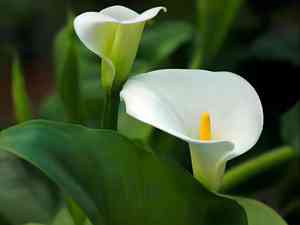
Peace lily(Spathiphyllum lanceifolium)

Peace lily (Spathiphyllum lanceifolium)

Also known as: Peace Lily, White Sails

The Peace lily (Spathiphyllum) is a favored indoor plant, recognized for its striking white blooms and vibrant, glossy green leaves. While it enhances indoor spaces with its beauty and air-purifying properties, caution is necessary when handling it due to its toxicity.

**Characteristics:**
- Features attractive, dark green, shiny leaves.
- Produces elegant white flowers, known as spathes.
- Known for its ability to improve indoor air quality.

**Precautions:**
- Toxic to both humans and pets if ingested, potentially causing irritation and digestive issues.
- Handle with care to avoid skin irritation; gloves are recommended for those with sensitive skin.
- Ensure it is placed out of the reach of children and animals.

Attributes of Peace lily

Lifespan
Perennial
Plant Type
Herb
Plant Height
30 cm to 40 cm
Spread
40 cm
Leaf Color
Green
Flower Size
15 cm
Flower Color
White Yellow Green

ForwardPlant - Identify plants with a snap

Identify and diagnose plants, get toxicity alerts, and explore safety guides for all types of fungi.

Try for Free

Images of Peace lily

Peace lily(Spathiphyllum lanceifolium)

Quickly Identify Peace lily

1
Identify Spathiphyllum lanceifolium by its dark green, lance-shaped leaves and the distinctive white spathes that surround its tiny flowers. The plant typically has an upright, bushy growth habit.

Scientific Classification of Peace lily

Phylum
Vascular plants
Class
Monocotyledons
Order
Water plantains and allies
Family
Arum
Genus
Peace lilies
Species
Peace lily

Planting and Growing of Peace lily

Care Difficulty
Easy
Watering Schedule
Every 3 days
Sunlight Requirements
Partial sun
Sunshine Duration
4-8 hours
Ideal Temperature
70-80℉
Soil Type
Potting Mix, Peat Mix
Soil pH
5-7.5
Fertilizer Type
Balanced
Pruning Season
Spring, Summer
Pruning Area
Branches, Leaves
Pruning Frequency
2 times a year
Repotting Season
Spring
Pot Type
Plastic, Terracotta

water icon How to Water Peace lily?

Spathiphyllum lanceifolium thrives when watered with approximately 250 milliliters of water per session. Ensure the water is enough to moisten the top 2-3 inches of soil but does not leave the plant waterlogged. The aim is to keep the soil consistently moist but not drenched, mimicking the natural conditions of its native tropical environment.
What are the symptoms of an underwatered Peace lily?
What should I do if my Peace lily is not getting enough water?
What are the symptoms of an overwatered Peace lily?
How to save an overwatered Peace lily?

sunlight icon What Are the Sunlight Requirements for Peace lily?

Sunlight Requirements: Partial sun, Full shade
Duration of light: 4-6 hours of light
Spathiphyllum lanceifolium thrives best with partial sun to full shade. An ideal lighting setup encourages greener foliage, robust blooming, and prevents ailments associated with improper light exposure, thus enhancing the plant's vibrancy and resilience.
What is the ideal amount of light for Spathiphyllum lanceifolium?
How can you ensure Spathiphyllum lanceifolium receives ideal lighting?
What benefits does Spathiphyllum lanceifolium experience from ideal lighting?
More About Sunlight Requirements Techniques

temperature icon What Is the Ideal Temperature Range for Peace lily?

Ideal Temperature: 70 ~ 80℉
The ideal temperature range for Spathiphyllum lanceifolium is between 70°F and 80°F, providing an optimal environment for its growth and vitality. These temperatures ensure that the plant maintains its metabolic processes efficiently. In these conditions, the plant is able to photosynthesize effectively, allowing for better growth and healthier leaves. It also reduces stress on the plant, preventing issues such as wilting or leaf drop.

soil icon What Soil is Best for Peace lily?

Soil type: Loam, Peat soil
Soil PH: 5 ~ 7.5
Spathiphyllum lanceifolium thrives in nutrient-rich soil that supports its glossy foliage and healthy growth. A rich medium provides essential nutrients, promoting lush leaves and regular blooming. Consistently moist soil is crucial for this plant, as it mimics its natural rainforest habitat. This moisture level ensures optimal absorption of nutrients, preventing stress and dehydration. Though moisture is vital, well-draining soil prevents root rot and waterlogging. It balances water retention and drainage, keeping roots healthy and oxygenated.

fertilize icon How to Fertilize Peace lily?

Fertilizer type: Balanced
For Spathiphyllum lanceifolium, it is best to use a balanced liquid fertilizer diluted to half strength. Apply it evenly across the soil, ensuring the entire root zone receives nutrients. For slow-release granules, sprinkle the recommended dose as per package instructions. Too much can harm the plant, so always follow guidelines for size and type.

prune icon How to Prune Peace lily?

Pruning Time: Spring, Summer, Autumn, Winter
Begin by examining your plant for any yellowing or dead leaves. Use clean, sharp scissors or pruning shears to cut these leaves off at the base of the stem. Be gentle to avoid damaging any healthy parts of the plant. Focus on maintaining a pleasing shape, so cut back any excessively long stems that alter the plant’s overall balance. Pruning monthly will keep your plant looking fresh and lush. For advanced pruning, inspect for overcrowded growth. Trim back indoor Spathiphyllum lanceifolium to allow light and air to reach deeper leaves. If your plant flowers, remove spent flower stalks to redirect energy towards leaf growth. When pruning, always opt for diagonal cuts to facilitate faster healing. Consider rotating the plant regularly so it grows evenly from all sides. More About Pruning Techniques

propagate icon How to Propagate Peace lily plant?

Propagate Time: Early spring, Late spring
1
Before division, water the parent plant thoroughly a day or two in advance. This ensures that the plant is hydrated and the root mass is easier to work with. Ensure that the plant is healthy and free from pests or diseases to promote successful division.
2
Gently remove the plant from its current pot and shake off excess soil to expose the root system. Use the sharp knife or shears to cut through the clump of roots, ensuring each new section has both roots and foliage. Handle the roots carefully to avoid unnecessary damage.
3
Place each division in its own pot filled with fresh potting medium. Plant them at the same depth they were growing previously, and water them lightly to settle the soil around the roots. Ensure good air circulation around the pots to reduce the risk of fungal problems.
More About Propagating Techniques

repot icon How to Repot Peace lily plant?

Repotting frequency: Every 1-2 years
1
Spathiphyllum lanceifolium requires repotting when you notice roots emerging from drainage holes or the plant appearing root-bound and stunted. These are signs that the plant has outgrown its current container, and repotting is essential to provide ample space for the growing roots, ensuring continued health and growth.
2
Choosing the right pot is crucial for Spathiphyllum lanceifolium. Opt for a pot that is one size larger than the current one, and ensure it has adequate drainage holes to prevent waterlogging. The pot should be made of a material that suits your indoor environment, like ceramic for moisture retention or plastic for lightweight handling.
3
Select a well-draining potting mix, ideally containing peat moss, pine bark, and perlite. This combination ensures the soil retains sufficient moisture without becoming waterlogged, which benefits root health and promotes efficient nutrient uptake, critical for healthy plant growth.
More About Repotting Techniques

ForwardPlant - Identify plants with a snap

Find the best spots for them to optimize their health, simply using your phone.

Try for Free

Toxicity of Peace lily

Is Peace lily toxic to humans?

When consumed, the peace lily can pose a danger to humans because of its toxic characteristics. The resulting symptoms may range from moderate to severe. This is due to the presence of toxic calcium oxalate crystals within the juice and sap of the leaves, as well as potentially other parts of the plant; ingestion can lead to burning sensations and pain in the mouth, excessive drooling, and vomiting. As a widely favored houseplant that is commonly cultivated for decoration, it may be easily reachable for children, who might unknowingly nibble on or consume the leaves and other plant sections.

Is Peace lily toxic to cat?

The peace lily is recognized as a poisonous plant for cats. Cats might accidentally consume different parts of the peace lily, resulting in toxic reactions. As each section of the plant is harmful, cats may exhibit signs of physical distress soon after ingestion. Pet owners should vigilantly observe their cats and promptly contact a veterinarian if any accidental consumption takes place to guarantee their pet gets swift and suitable care.

Is Peace lily toxic to dog?

The peace lily is recognized as toxic to dogs. If a dog accidentally consumes any portion of this plant, either out of curiosity or by mistake, it can lead to poisoning. Every part of the peace lily poses a risk, meaning that ingestion by a dog could trigger symptoms related to toxicity. These symptoms might manifest as vomiting, diarrhea, excessive drooling, oral irritation, and challenges with swallowing. It is imperative for dog owners to be attentive and to keep their pets away from peace lily plants. Should a dog ingest any part of this plant, it is vital to seek prompt veterinary assistance to secure the best possible outcome for the affected animal.

Identify toxic plants for your safety

Learn which plants are harmful to you and your pets, and make informed choices for a safer home!

Try for Free
WARNING
The judgment on toxicity and danger is for reference only. We DO NOT GUARANTEE any accuracy of such judgment. Therefore, you SHALL NOT rely on such judgment. It is IMPORTANT TO SEEK PROFESSIONAL ADVICE in advance when necessary.
More About Toxic Techniques

