Broom (Spartium) (Spartium)
Also known as: Rush Broom
The genus *Carmichaelia*, also known as the broom, comprises a single species native to New Zealand. This hardy plant thrives in diverse habitats, from coastal regions to mountainous terrains. It typically grows as a leafless shrub with green, photosynthetic stems, resembling a broom. Reaching heights of 2 to 4 meters, the plant's main stems can be up to 5 cm thick. In late spring and summer, *Carmichaelia* produces an abundance of small, fragrant, pea-like flowers in various colors such as purple, pink, or white. By late summer, its seed pods mature and darken, adding to its unique appearance.
In This Article
Attributes of Broom (Spartium)
Lifespan
Perennial
Plant Height
1.5 to 3 meters
Spread
1 to 2 meters
Leaf Color
Green
Flower Size
2 to 4 cm
Flower Color
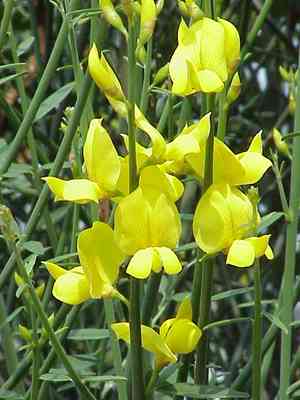
Bright Yellow
Images of Broom (Spartium)
Quickly Identify Broom (Spartium)
1
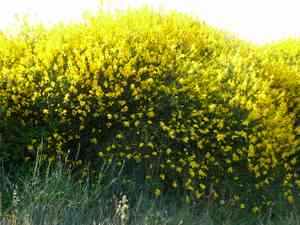
To identify Spartium, look for its bright yellow, fragrant flowers that typically bloom in late spring to early summer. The plant has long, slender, and green branches with very few leaves.
Scientific Classification of Broom (Spartium)
Phylum
Magnoliophyta
Class
Magnoliopsida
Order
Fabales
Family
Fabaceae
Genus
Spartium
Planting and Growing of Broom (Spartium)
Care Difficulty
Moderate
Watering Schedule
Every 2 days
Sunlight Requirements
Full sun
Sunshine Duration
6-10 hours
Ideal Temperature
55-75℉
Soil Type
Potting Mix, Peat Mix
Soil pH
6.5-7.5
Fertilizer Type
Balanced
Pruning Season
Spring, Summer
Pruning Area
Branches, Leaves
Pruning Frequency
2 times a year
Repotting Season
Spring
Pot Type
Plastic, Ceramic
 How to Water Broom (Spartium)?
The ideal watering amount for Spartium is approximately 200 milliliters each time. Ensure the soil is moistened but not waterlogged. It is best to allow the soil to dry between waterings to prevent root rot, reflecting its natural preference for moderately dry conditions.
What are the symptoms of an underwatered Broom (Spartium)?
›
What should I do if my Broom (Spartium) is not getting enough water?
›
What are the symptoms of an overwatered Broom (Spartium)?
›
How to save an overwatered Broom (Spartium)?
›
 What Are the Sunlight Requirements for Broom (Spartium)?
Spartium thrives under conditions of full to partial sun, making it ideal for environments that can consistently provide 6 to 8 hours of natural light daily. Such conditions support Spartium's natural growth patterns and flowering cycles, enhancing its vitality.
How much sunlight does Spartium require?
›
What is the best way to position Spartium for optimal sunlight?
›
What benefits does ideal sunlight provide to Spartium?
›
 What Is the Ideal Temperature Range for Broom (Spartium)?
The ideal temperature range for Spartium is between 55°F and 75°F. This range provides the optimal conditions for growth, maintaining the plant's metabolism and ensuring proper nutrient uptake. It is important to manage the temperature within this range to prevent growth inhibition or structural damage to the plant.
 What Soil is Best for Broom (Spartium)?
Spartium requires soil that is well-drained to prevent waterlogging, which can lead to root rot. This type of soil helps in maintaining aeration around the roots, essential for optimal growth. A moderately fertile soil provides enough nutrients to support the plant's growth without overwhelming it. This ensures that Spartium can thrive without the need for excessive fertilization. Spartium prefers soil with a pH ranging from neutral to slightly alkaline. This pH range supports nutrient availability and uptake, ensuring the plant's health and vigor.
 How to Fertilize Broom (Spartium)?
For Spartium, use a balanced amount of fertilizer. Typically, mix one teaspoon of liquid fertilizer per gallon of water for a balanced application during active growth seasons.
 How to Prune Broom (Spartium)?
Begin by observing the natural shape of Spartium junceum, commonly known as Spanish Broom. Identify old and weak branches that need removal. This plant benefits from being shaped during early growth to promote a bushier appearance. Use sharp, clean pruning shears to make precise cuts. For thicker branches, a light saw may be necessary. Having clean tools helps prevent the spread of disease to your plant. Start pruning from the top, gradually working your way down. Focus on removing dead, damaged, or diseased wood. Cut back to a healthy bud or side shoot, making sure not to leave stubs. Aim for an open center to improve air circulation.
 How to Propagate Broom (Spartium) plant?
1
Gather mature seeds from the pods of the Spartium plant. Make sure the pods have dried out and have turned brown before harvesting the seeds for best germination results.
2
Select healthy stems and cut below a leaf node. Aim for cuttings that are around 4-6 inches long. Remove lower leaves to reduce moisture loss.
3
Dip the cut end into rooting hormone powder and place in a well-drained soil mix. Ensure the soil is adequately moist but not waterlogged.
 How to Repot Broom (Spartium) plant?
1
Spartium should be repotted when you notice roots protruding out of the drainage holes, growth stagnation, or when the soil becomes compacted. These are signs that the plant is outgrowing its current pot, and it’s crucial to act during early spring or autumn when the plant is less stressed.
2
Select a pot that is 2-3 inches larger in diameter than the current one. Ensure that the pot has ample drainage holes to prevent waterlogging. The right-sized pot allows adequate root growth and prevents stress, promoting healthier plant development.
3
Use well-drained sandy soil to facilitate proper drainage and prevent root rot. This soil type mimics the plant's natural habitat, ensuring optimal growth conditions. A mix with perlite or coarse sand can further improve soil aeration.
Toxicity
Ingestion
WARNING
The judgment on toxicity and danger is for reference only. We DO NOT GUARANTEE any accuracy of such judgment. Therefore, you SHALL NOT rely on such judgment. It is IMPORTANT TO SEEK PROFESSIONAL ADVICE in advance when necessary.
Learn More About Broom (Spartium) Diseases
Anthracnose
Bacterial Leaf Spot
Bacterial Wilt
Crown Gall
Cyst Nematode
Damping-off
Downy Mildew
Drought Stress
Fusarium Wilt
Gray Mold
Leaf Spot
Mosaic
Nutrient Deficiency
Nutrient Toxicity
Powdery Mildew
Root Rot
Root-knot Nematode
Rusts
Sooty Mold
Spider Mites
Temperature Stress
Thrips Damage
White Mold

