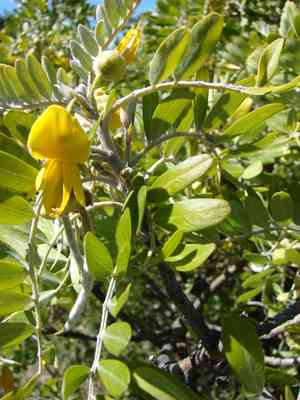
Necklacepods (Sophora) (Sophora)
Also known as: Japanese pagoda tree, Chinese scholar tree
Necklacepods are medium-sized shrubs and trees predominantly found in warm, subtropical, and tropical regions around the world. Their popularity as ornamental plants stems from their vibrant, pea-shaped yellow flowers, which bloom abundantly and attract pollinators like bees and butterflies. Additionally, their robust nature and adaptability to various soil types and environmental conditions enhance their appeal for gardeners seeking low-maintenance yet visually striking plants.
In This Article
Attributes of Necklacepods (Sophora)
Lifespan
Perennial
Plant Height
10-25 meters
Spread
10-15 meters
Leaf Color
Green
Flower Size
1-2.5 cm
Flower Color
Yellow, white
Images of Necklacepods (Sophora)
Quickly Identify Necklacepods (Sophora)
1
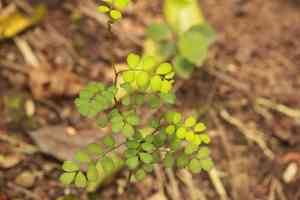
Sophora species can often be identified by their pinnate leaves, their bright yellow or white flowers, and their distinctive seed pods that often constrict between the seeds.
Scientific Classification of Necklacepods (Sophora)
Phylum
Magnoliophyta
Class
Magnoliopsida
Order
Fabales
Family
Fabaceae
Genus
Sophora
Planting and Growing of Necklacepods (Sophora)
Care Difficulty
Moderate
Watering Schedule
Every 3 days
Sunlight Requirements
Full sun
Sunshine Duration
6-10 hours
Ideal Temperature
60-75℉
Soil Type
Potting Mix, Peat Mix
Soil pH
6.5-7.5
Fertilizer Type
Balanced
Pruning Season
Spring, Summer
Pruning Area
Branches, Leaves
Pruning Frequency
2 times a year
Repotting Season
Spring
Pot Type
Plastic, Ceramic
 How to Water Necklacepods (Sophora)?
When watering Sophora, aim for around 500ml per session. Ensure that the water seeps into the soil to reach the roots, but avoid water pooling at the bottom. Using a gentle stream, maintain even moisture without waterlogging.
What are the symptoms of an underwatered Necklacepods (Sophora)?
›
What should I do if my Necklacepods (Sophora) is not getting enough water?
›
What are the symptoms of an overwatered Necklacepods (Sophora)?
›
How to save an overwatered Necklacepods (Sophora)?
›
 What Are the Sunlight Requirements for Necklacepods (Sophora)?
Sophora thrives best with partial sun to full sun, requiring exposure to sufficient light for stronger growth and flowering. These conditions promote health, encouraging vibrant leaf coloration and resilience.
What is the best lighting solution?
›
How can I implement this solution?
›
What benefits does ideal lighting offer?
›
 What Is the Ideal Temperature Range for Necklacepods (Sophora)?
Sophora plants thrive at temperatures between 60°F and 75°F. This range provides the optimal environment for photosynthesis, growth, and flowering. Within this range, the plants have access to sufficient warmth without the risk of heat stress that higher temperatures might bring.
 What Soil is Best for Necklacepods (Sophora)?
Sophora thrives in well-draining soil, which ensures that water does not pool around the roots, preventing root rot. Good drainage helps maintain optimal aeration, promoting healthy root development and nutrient uptake. A nutrient-rich soil supports the robust growth of Sophora. Adding organic matter or compost to the soil can enhance its nutrient profile, providing essential elements that facilitate lush foliage and abundant flowering. The soil should retain moderate moisture without becoming waterlogged. This balance promotes consistent hydration, which is crucial for the plant's metabolic processes and stress resistance.
 How to Fertilize Necklacepods (Sophora)?
For Sophora, using a balanced fertilizer is recommended. Apply at a rate of about 250 mg of nitrogen per plant during the growing season. Adjust based on the plant's specific response and growth rate.
 How to Prune Necklacepods (Sophora)?
Be careful not to prune more than one-third of the plant at a time. Over-pruning can stress the plant and lead to poor health. Always step back and assess the plant's shape before making additional cuts. Sophora has specific flowering times, so take care not to prune just before or during the flowering season as it may reduce blooms. Ideally, prune soon after the flowers fade to keep the plant healthy without sacrificing the next bloom.
 How to Propagate Necklacepods (Sophora) plant?
1
Fill seed trays with a suitable seed-starting mix, ensuring it's evenly moist. Use a sterilized medium to prevent fungal diseases, which can damage the seedlings during early growth stages.
2
Scatter the seeds over the prepared trays, ensuring they are spaced evenly. Lightly press them into the soil, covering them with a thin layer of the growing medium to promote successful germination.
3
Select healthy, non-flowering shoots and cut them at a length of about 10-15 cm. Make sure the cut is clean and just below a node, which will encourage optimal root growth.
 How to Repot Necklacepods (Sophora) plant?
1
Sophora needs repotting when you notice roots emerging from drainage holes or when growth slows down despite proper care. These signs indicate that the plant is outgrowing its current pot or the soil is depleted of nutrients.
2
Choose a pot that is 1 to 2 inches larger in diameter than the current one. This gives the Sophora ample space to grow without overwhelming the plant. Ensure the pot has drainage holes to prevent waterlogging, which can lead to root rot.
3
Select a well-draining potting mix with a mix of sand, peat, and perlite. This blend provides the Sophora with good aeration while retaining enough moisture to nurture the roots. Proper soil prevents overwatering and encourages healthy growth.
Toxicity
Ingestion
WARNING
The judgment on toxicity and danger is for reference only. We DO NOT GUARANTEE any accuracy of such judgment. Therefore, you SHALL NOT rely on such judgment. It is IMPORTANT TO SEEK PROFESSIONAL ADVICE in advance when necessary.
Learn More About Necklacepods (Sophora) Diseases
Anthracnose
Bacterial Leaf Spot
Black Spot
Chemical Injury
Crown Gall
Damping-off
Downy Mildew
Drought Stress
Fusarium Wilt
Gray Mold
Leaf Spot
Mosaic
Nutrient Deficiency
Nutrient Toxicity
Powdery Mildew
Root Rot
Root-knot Nematode
Rusts
Sooty Mold
Spider Mites
Temperature Stress
Thrips Damage
White Mold

