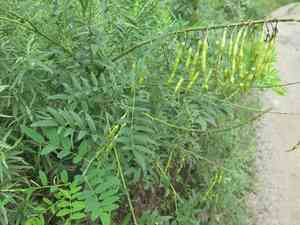
Shrubby sophora (Sophora flavescens)
Also known as: Bitter sophora, Ku shen
Shrubby sophora, an evergreen plant commonly found in grassy lowlands, mountain slopes, and river valleys, contains the toxic compound cytisine. Consuming any part of this shrub, particularly the roots, can lead to significant health issues, ranging from moderate to severe illness and, in extreme cases, can be fatal. It is crucial to avoid ingestion and seek medical help immediately if exposure occurs.
In This Article
Attributes of Shrubby sophora
Lifespan
Perennial
Plant Type
Shrub
Plant Height
1.5 m
Spread
1 m
Leaf Color
Green
Flower Size
15 cm to 25 cm
Flower Color
White Yellow Green
Images of Shrubby sophora
Quickly Identify Shrubby sophora
1
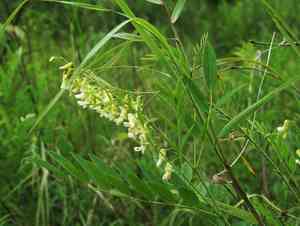
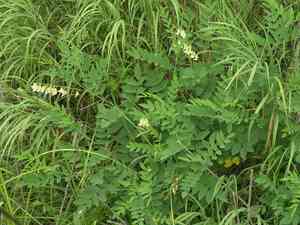
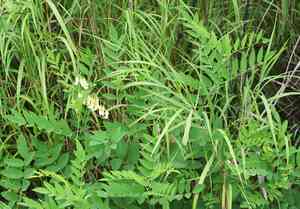
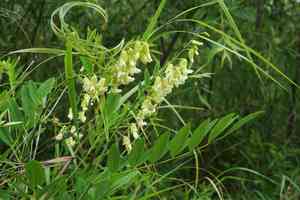
Sophora flavescens can be identified by its pinnately compound leaves, yellowish flowers, and the distinctive legume fruits. The leaflets are oblong or elliptic and arranged oppositely. The flowers are often clustered in terminal racemes.
Scientific Classification of Shrubby sophora
Phylum
Vascular plants
Class
Dicotyledons
Order
Fabales
Family
Legume
Genus
Necklacepods
Species
Shrubby sophora
Planting and Growing of Shrubby sophora
Care Difficulty
Easy
Watering Schedule
Every 2 days
Sunlight Requirements
Full sun
Sunshine Duration
6-10 hours
Ideal Temperature
68-77℉
Soil Type
Potting Mix, Peat Mix
Soil pH
6-8
Fertilizer Type
Balanced
Pruning Season
Spring, Summer
Pruning Area
Branches, Leaves
Pruning Frequency
2 times a year
Repotting Season
Spring
Pot Type
Plastic, Ceramic
 How to Water Shrubby sophora?
When watering Sophora flavescens, aim for about 250 milliliters per session, ensuring the soil is moderately moist. It's important to not over-saturate the soil, as this plant thrives in conditions where the soil has a chance to dry out slightly between waterings. The key is to maintain a balanced moisture level without allowing water to pool at the roots.
What are the symptoms of an underwatered Shrubby sophora?
›
What should I do if my Shrubby sophora is not getting enough water?
›
What are the symptoms of an overwatered Shrubby sophora?
›
How to save an overwatered Shrubby sophora?
›
 What Are the Sunlight Requirements for Shrubby sophora?
Sophora flavescens prefers a light range of full sun to partial sun, meaning around 6 to 8 hours of sunlight daily. Ideal lighting enhances photosynthesis, boosts growth, and improves resistance to environmental stresses.
More About Sunlight Requirements Techniques→
What is the ideal lighting for Sophora flavescens?
›
How can I achieve the ideal lighting conditions for Sophora flavescens?
›
What are the benefits of providing ideal lighting conditions for Sophora flavescens?
›
 What Is the Ideal Temperature Range for Shrubby sophora?
The ideal temperature range for cultivating Sophora flavescens is between 68°F and 77°F. This range ensures optimal growth and physiological functioning, promoting healthy development and improving resistance to pests and diseases. Maintaining this temperature range allows the plant to thrive and produce vibrant foliage and flowers.
 What Soil is Best for Shrubby sophora?
Sophora flavescens requires well-draining soil to prevent root rot and other moisture-related diseases. Well-draining soil ensures excess water doesn't linger around the roots, promoting healthy growth. The plant thrives in nutrient-rich soils as it provides essential minerals and nutrients needed for optimal growth. Supplying adequate nutrients ensures robust development and enhances the plant's resilience. Moderate soil compaction helps in maintaining sufficient moisture and nutrient retention without suffocating the roots. The plant benefits from balanced water and air accessibility.
 How to Fertilize Shrubby sophora?
For Sophora flavescens, using a balanced liquid fertilizer, dilute it to half the recommended concentration and apply approximately 100-150 ml per plant. The plant does not require heavy feeding, so less is more in this case.
 How to Prune Shrubby sophora?
Before pruning, thoroughly inspect Sophora flavescens for dead, damaged, or diseased stems. Removing these first will prioritize the plant's energy towards healthy-bearing branches. Tailor the plant's shape by cutting back overgrown branches to maintain balance and symmetry. Aim to keep the center open to sunlight penetration, fostering a healthier and more productive plant. After major cuts, consider applying a bit of wound dressing to larger cuts. This aids in preventing pest infiltration and disease while the plant heals.
More About Pruning Techniques→
 How to Propagate Shrubby sophora plant?
1
Begin by selecting mature seeds, which can be soaked in warm water for 12 to 24 hours to improve germination rates. The water softens the seed coat, initiating the germination process more effectively.
2
Choose healthy, disease-free stems and cut them at a 45-degree angle. Remove the leaves from the lower half, and optionally dip the end in rooting hormone to encourage root development.
3
When dividing plants, select a mature and healthy root clump. Carefully separate it into smaller sections, ensuring each section has several stems and a good root mass to support growth once replanted.
 How to Repot Shrubby sophora plant?
1
Sophora flavescens should be repotted when you notice signs of stunted growth or when roots begin to emerge from drainage holes. These indicators suggest that the plant has outgrown its current pot and requires more space to thrive.
2
Choose a pot that is about two inches larger in diameter than the previous one. This allows for root expansion while preventing excess soil that can retain water and lead to root rot. A pot with drainage holes is a must to ensure proper water flow.
3
Opt for a loamy, well-draining soil mix that mimics the native environment of Sophora flavescens. This type of soil ensures good aeration, which helps prevent waterlogging and keeps the roots healthy.
Toxicity
Ingestion
WARNING
The judgment on toxicity and danger is for reference only. We DO NOT GUARANTEE any accuracy of such judgment. Therefore, you SHALL NOT rely on such judgment. It is IMPORTANT TO SEEK PROFESSIONAL ADVICE in advance when necessary.
Learn More About Shrubby sophora Diseases
Anthracnose
Bacterial Leaf Spot
Bacterial Wilt
Crown Gall
Cyst Nematode
Damping-off
Downy Mildew
Drought Stress
Fusarium Wilt
Gray Mold
Leaf Spot
Mosaic
Nutrient Deficiency
Nutrient Toxicity
Powdery Mildew
Root Rot
Root-knot Nematode
Rusts
Sooty Mold
Spider Mites
Temperature Stress
Thrips Damage
White Mold
Chemical Injury



