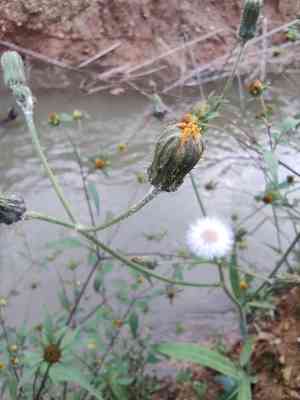
Perennial sowthistle (Sonchus wightianus)
Also known as: Corn sowthistle
Perennial sowthistle (Sonchus arvensis) is often confused with the dandelion, but it comes from a completely different region. Similar to the common dandelion, it is regarded as an invasive species in various places and serves as a host plant for aphids.
In This Article
Attributes of Perennial sowthistle
Lifespan
Perennial
Plant Type
Herb
Plant Height
1.5 m
Spread
3 cm to 4 cm
Leaf Color
Green
Flower Size
2-3 cm
Flower Color
Yellow
Images of Perennial sowthistle
Quickly Identify Perennial sowthistle
1
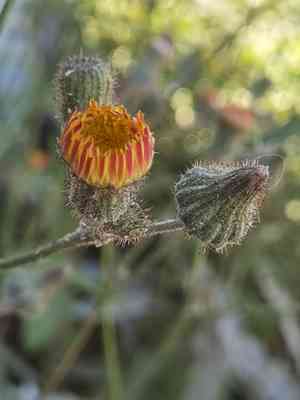
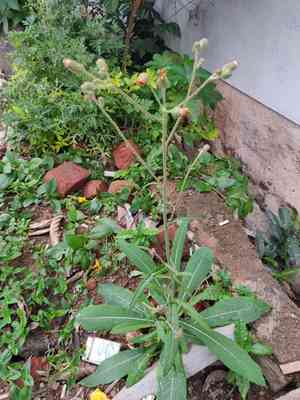
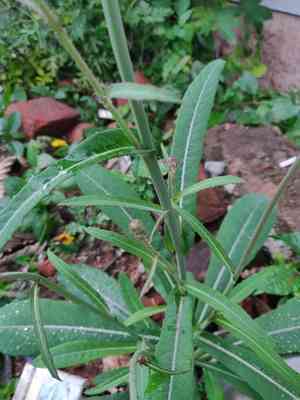
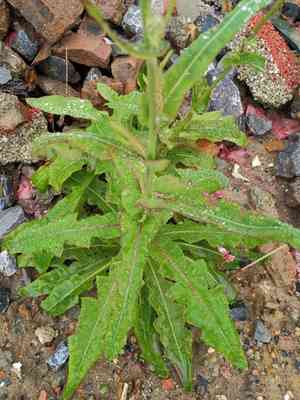
The plant can be identified by its serrated leaves, which can be up to 30 cm long, and its bright yellow dandelion-like flowers. The stems exude a milky sap when broken.
Scientific Classification of Perennial sowthistle
Phylum
Vascular plants
Class
Dicotyledons
Order
Asters bellflowers fanflowers and allies
Family
Daisy
Genus
Sowthistles
Species
Perennial sowthistle
Planting and Growing of Perennial sowthistle
Care Difficulty
Easy
Watering Schedule
Every 3 days
Sunlight Requirements
Partial sun
Sunshine Duration
4-8 hours
Ideal Temperature
65-75℉
Soil Type
Potting Mix, Peat Mix
Soil pH
6.5-7.5
Fertilizer Type
Balanced
Pruning Season
Spring, Summer
Pruning Area
Branches, Leaves
Pruning Frequency
2 times a year
Repotting Season
Spring
Pot Type
Plastic, Ceramic
 How to Water Perennial sowthistle?
Sonchus wightianus should be watered until the soil is thoroughly moist but not waterlogged. The principle is to ensure the soil remains slightly damp while avoiding stagnant water at the roots, which can cause root rot.
What are the symptoms of an underwatered Perennial sowthistle?
›
What should I do if my Perennial sowthistle is not getting enough water?
›
What are the symptoms of an overwatered Perennial sowthistle?
›
How to save an overwatered Perennial sowthistle?
›
 What Are the Sunlight Requirements for Perennial sowthistle?
Sonchus wightianus ideally thrives in conditions offering partial to full sun. This exposure promotes better growth, stronger stems, and more frequent blooming, maximizing its ornamental value.
How much sunlight does it need?
›
How can I achieve this lighting condition?
›
What are the benefits of ideal lighting for this plant?
›
 What Is the Ideal Temperature Range for Perennial sowthistle?
The ideal temperature range for Sonchus wightianus is between 65°F to 75°F. This range promotes robust growth and healthy foliage, allowing the plant to thrive effectively while minimizing stress.
 What Soil is Best for Perennial sowthistle?
Sonchus wightianus thrives in well-drained soils, which prevent waterlogging that can lead to root rot. Good drainage ensures that the roots receive enough oxygen and avoid excess moisture. This plant grows best in nutrient-rich loam, which provides the essential minerals it needs for optimal growth. Enriching the soil with organic matter can boost its fertility. While Sonchus wightianus can tolerate dry conditions, it prefers soil with moderate moisture. Regular watering helps sustain its lush foliage and robust growth.
 How to Fertilize Perennial sowthistle?
Applying the right amount of fertilizer is crucial for the optimal growth of Sonchus wightianus. For liquid fertilizers, dilute them to half the recommended strength on the package to avoid any potential harm. In terms of quantity, apply enough to moisten the soil uniformly without oversaturating. For slow-release fertilizers, follow the manufacturer's instructions, usually applying a small amount directly to the soil surface, around one tablespoon per plant, ensuring it's distributed evenly around the root zone.
 How to Prune Perennial sowthistle?
Begin by carefully inspecting the plant for any dead, damaged, or diseased stems and foliage. Carefully cut these areas back to where healthy growth begins, using a clean angle cut to promote new cell growth. Proceed by selectively thinning out overcrowded stems to improve light penetration and air circulation within the plant. Focus on maintaining a balanced shape, pruning excess growth back to a node just above a healthy bud. Prune the tips of the stems lightly to encourage bushier growth and more abundant flowers. This process can also help control the size of Sonchus wightianus, ensuring it does not overshadow neighboring plants in your garden.
More About Pruning Techniques→
 How to Propagate Perennial sowthistle plant?
1
Collect mature seeds from Sonchus wightianus at the end of the flowering season. Clean and dry them before storing in a cool, dry place until sowing during the ideal season.
2
Select healthy, non-flowering shoots for cuttings. Use a sterilized knife or pruner to cut below a node ensuring each cutting is about 10-15 cm long.
3
Dig up mature Sonchus wightianus plants. Divide the root mass into sections, each with a set of roots and shoots, and replant these in suitable soil.
 How to Repot Perennial sowthistle plant?
1
Sonchus wightianus should be repotted when you notice the roots starting to emerge from the drainage holes, or when the growth appears stunted. These are signs that the plant has outgrown its current container. Also, if the soil feels compacted and water drainage is poor, it's time to consider repotting.
2
Choose a pot that is 1-2 inches larger in diameter than the current one, with ample drainage holes. This ensures proper root expansion and prevents waterlogging, benefitting overall plant health. A pot with good drainage capability helps avoid root rot and allows excess water to escape easily.
3
Opt for a well-draining potting mix rich in organic matter. This type of soil helps in maintaining moisture balance by retaining necessary water while allowing excess to drain away, preventing both dryness and waterlogging which benefits root health and nutrient uptake.



