
Common sowthistle (Sonchus oleraceus)
Also known as: Hare's colwort, Swinies
The dandelion, originally from Europe and West Asia, is a widespread weed known for its invasive nature in many regions globally. It has edible leaves that can be enjoyed fresh in salads or cooked in various dishes, though they do have a slightly bitter taste.
In This Article
Attributes of Common sowthistle
Lifespan
Annual, Biennial
Plant Type
Herb
Plant Height
30 cm to 1.5 m
Spread
50 cm
Leaf Color
Green Red Purple
Flower Size
6 mm to 2.5 cm
Flower Color
Yellow White
Images of Common sowthistle
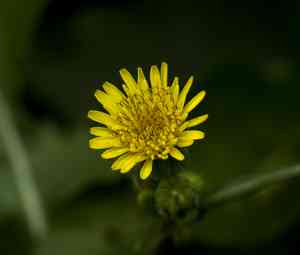
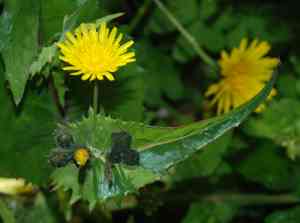
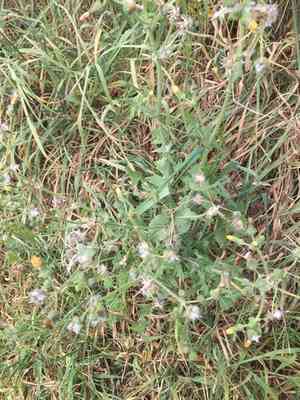
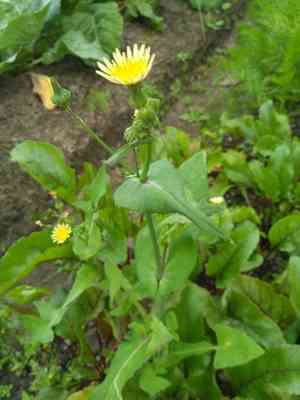
Quickly Identify Common sowthistle
1
Sonchus oleraceus can be identified by its hollow, erect stems that can grow up to 150 cm in height, its alternate, lobed, and prickly leaves, and its clusters of yellow, dandelion-like flowers. The plant’s unique milky sap also aids in its identification.
Scientific Classification of Common sowthistle
Phylum
Vascular plants
Class
Dicotyledons
Order
Asters bellflowers fanflowers and allies
Family
Daisy
Genus
Sowthistles
Species
Common sowthistle
Planting and Growing of Common sowthistle
Care Difficulty
Easy
Watering Schedule
Every 6 days
Sunlight Requirements
Partial sun
Sunshine Duration
6-10 hours
Ideal Temperature
60-75℉
Soil Type
Potting Mix, Peat Mix
Soil pH
6-8
Fertilizer Type
Balanced
Pruning Season
Spring, Summer
Pruning Area
Branches, Leaves
Pruning Frequency
2 times a year
Repotting Season
Spring
Pot Type
Plastic, Ceramic
 How to Water Common sowthistle?
Watering Sonchus oleraceus requires a careful balance to keep the soil lightly moist but not soggy. Aim for about 250 milliliters of water per session. It is best to check the top layer of soil and ensure it's dry before the next watering, avoiding any pooling on the surface.
What are the symptoms of an underwatered Common sowthistle?
›
What should I do if my Common sowthistle is not getting enough water?
›
What are the symptoms of an overwatered Common sowthistle?
›
How to save an overwatered Common sowthistle?
›
 What Are the Sunlight Requirements for Common sowthistle?
Partial sun to Full sun exposure ensures robust growth and optimal flowering, providing the necessary energy through photosynthesis for healthy plant development.
What is the preferred lighting for Sonchus oleraceus?
›
How can I achieve the ideal lighting conditions for this plant?
›
What benefits does ideal lighting provide to Sonchus oleraceus?
›
 What Is the Ideal Temperature Range for Common sowthistle?
Sonchus oleraceus thrives in a moderate climate where temperatures range between 60 to 75°F. This range allows optimal enzymatic and metabolic activities essential for the healthy growth of the plant. Consistent exposure to these temperatures ensures robust foliage and overall plant vitality.
 What Soil is Best for Common sowthistle?
Sonchus oleraceus thrives in well-drained soil, preventing waterlogging and root rot. Adequate drainage promotes healthy root development and vigorous plant growth. Rich in organic matter, the soil provides essential nutrients for optimal growth, ensuring lush foliage and robust stem development. A soil pH slightly on the alkaline side enhances nutrient availability, improving the overall health and resilience of Sonchus oleraceus.
 How to Fertilize Common sowthistle?
Sonchus oleraceus, commonly known as sow thistle, prefers moderate levels of fertilization. Use a balanced liquid fertilizer diluted to half strength, applying approximately 100-150 ml per plant. For slow-release fertilizers, use a general-purpose formulation at around 50g per square meter.
 How to Prune Common sowthistle?
Begin by assessing the plant for long, thin stems and any outward growth that disrupts the plant's natural shape. Look for older leaves that are yellowing or showing signs of wear, as these can be removed to rejuvenate the plant. By maintaining a more compact form, you help the plant conserve energy and promote even light distribution. Equip yourself with clean, sharp pruning shears, as dull blades can harm the plant by causing ragged cuts that are susceptible to disease. When cutting, make sure to angle your shears slightly to encourage water runoff, reducing the risk of rot. To ensure cleanliness, sanitize your tools before and after pruning to prevent the spread of any potential pathogens.
 How to Propagate Common sowthistle plant?
1
Fill a seed starting tray with the chosen soil mix, ensuring each compartment is filled to the top without compacting the soil. Proper preparation of the seed tray is pivotal to provide a conducive environment for seed germination and root development. Gently tap the tray to settle the soil slightly and wipe off excess soil from the edges.
2
Carefully place Sonchus oleraceus seeds on the surface of the soil, using a spacing of about 1 inch apart. Cover lightly with a thin layer of soil. Ensure seeds are sowed at the correct depth as placing them too deep can hinder their ability to emerge and sprout, affecting germination rates.
3
Spray the soil gently with water, keeping it moist but not waterlogged. Use a spray bottle to maintain moisture levels, which prevents disturbance of the seeds. Consistent moisture is key to promoting germination, and it's important to avoid overwatering, which can cause seeds to rot or develop diseases.
 How to Repot Common sowthistle plant?
1
For Sonchus oleraceus, it's ideal to look for signs like roots emerging from drainage holes or a slow in growth during its active seasons. These indicators suggest that the plant requires more space to continue flourishing.
2
Choose a pot that is about 2 inches larger in diameter than the current one, with ample drainage holes. This helps prevent water logging, promoting healthy root development and oxygen flow.
3
Opt for well-draining potting mix, such as one enriched with perlite or sand. This ensures that water doesn’t accumulate at the roots, reducing risks of rot and supporting vigorous growth.
Learn More About Common sowthistle Diseases
Bacterial Leaf Spot
Bacterial Soft Rot
Bacterial Wilt
Chemical Injury
Damping-off
Downy Mildew
Drought Stress
Fusarium Wilt
Gray Mold
Leaf Spot
Mosaic
Nutrient Deficiency
Nutrient Toxicity
Powdery Mildew
Root Rot
Root-knot Nematode
Rusts
Sooty Mold
Spider Mites
Temperature Stress
Thrips Damage
White Mold



