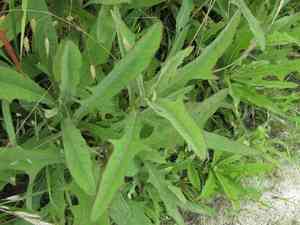
Sonchus brachyotus (Sonchus brachyotus)
Also known as: Perennial Sow Thistle
**Sonchus brachyotus** is a plant species in the dandelion tribe of the daisy family found throughout northern Asia, including Japan, Korea, China, Russia, Mongolia, Thailand, Kazakhstan, the Caucasus, and Kyrgyzstan. This perennial herb can reach a height of up to 100 cm. It features flat-topped clusters of multiple flower heads, each with 170-300 yellow ray flowers and no disc flowers.
In This Article
Attributes of Sonchus brachyotus
Lifespan
Perennial
Plant Type
Herb
Plant Height
1 m
Spread
Not applicable
Leaf Color
Green
Flower Size
1 to 2 cm
Flower Color
Yellow
Images of Sonchus brachyotus
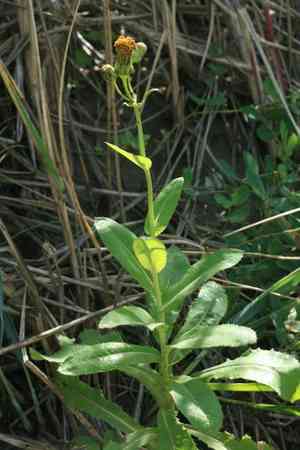
Quickly Identify Sonchus brachyotus
1
Sonchus brachyotus can be identified by its tall, hollow stems which can grow up to 1.5 meters, its large, lobed leaves with a prickly margin, and its bright yellow, dandelion-like flowers that bloom typically in summer.
Scientific Classification of Sonchus brachyotus
Phylum
Vascular plants
Class
Dicotyledons
Order
Asters bellflowers fanflowers and allies
Family
Daisy
Genus
Sowthistles
Species
Sonchus brachyotus
Planting and Growing of Sonchus brachyotus
Care Difficulty
Easy
Watering Schedule
Every 3 days
Sunlight Requirements
Partial sun
Sunshine Duration
6-10 hours
Ideal Temperature
68-77℉
Soil Type
Potting Mix, Peat Mix
Soil pH
6.5-7.5
Fertilizer Type
Balanced
Pruning Season
Spring, Summer
Pruning Area
Branches, Leaves
Pruning Frequency
2 times a year
Repotting Season
Spring
Pot Type
Terracotta, Plastic
 How to Water Sonchus brachyotus?
For Sonchus brachyotus, water generously until the soil feels moist, aiming for about 400 ml per session. It's crucial that excess water drains effectively to prevent root rot, so ensure good drainage. Watch for the soil surface to dry just slightly between waterings.
What are the symptoms of an underwatered Sonchus brachyotus?
›
What should I do if my Sonchus brachyotus is not getting enough water?
›
What are the symptoms of an overwatered Sonchus brachyotus?
›
How to save an overwatered Sonchus brachyotus?
›
 What Are the Sunlight Requirements for Sonchus brachyotus?
Sonchus brachyotus prefers partial sun, benefiting from 4 to 6 hours of sunlight daily, which helps maintain vibrant foliage, robust health, and reduces risk of disease.
What is the optimal lighting condition for Sonchus brachyotus?
›
How can you achieve these ideal conditions?
›
What are the benefits of providing optimal lighting?
›
 What Is the Ideal Temperature Range for Sonchus brachyotus?
The ideal temperature range for Sonchus brachyotus cultivation is between 68°F and 77°F. This range ensures optimal growth and development of the plant, providing the best conditions for photosynthesis and metabolic activities.
 What Soil is Best for Sonchus brachyotus?
Sonchus brachyotus thrives in well-drained soil to prevent waterlogging, which can lead to root rot. Ensuring the soil has good drainage enhances healthy growth and root development. This plant benefits from nutrient-rich soil as it supports robust growth and flowering. Adding organic matter such as compost can improve nutrient content, aiding in plant vigor. Aerated soil is essential for root oxygenation and nutrient uptake. Loosely packed soil helps in maintaining adequate airflow to the roots, promoting overall plant health.
 How to Fertilize Sonchus brachyotus?
For Sonchus brachyotus, a balanced application of fertilizer is vital. Use approximately 1 teaspoon of liquid fertilizer diluted in 1 liter of water for monthly watering. For slow-release fertilizer, utilize around 1 tablespoon per plant per application.
 How to Prune Sonchus brachyotus?
Begin by examining the plant closely to identify any dead or diseased foliage. These parts should be the first to go, as they can harbor pests and diseases. Remove them carefully with a clean cut close to the branch or base of the plant. Next, focus on the shape of your Sonchus brachyotus. Trim any excessively long stems to encourage bushier growth. Cut just above a leaf node to stimulate new shoots, ensuring an even and aesthetically pleasing look. To improve air circulation, clear out crowded inner areas. This not only helps prevent fungal diseases but also ensures that sunlight reaches every part of the plant, which is crucial for healthy growth.
More About Pruning Techniques→
 How to Propagate Sonchus brachyotus plant?
1
Gather ripe seeds from Senecio brachyotus. Clean them thoroughly to remove any residue or flesh. Dry them properly to prevent mold or rotting before planting.
2
Fill a seed tray with a seed-starting mix and plant the seeds about 1/4 inch deep. Ensure there is enough spacing between seeds to allow for growth and easy transplanting later.
3
Water the seeds gently using a spray bottle or fine mist to avoid dislodging them. Keep the soil damp but not waterlogged to prevent disease and rot in seedlings.
 How to Repot Sonchus brachyotus plant?
1
Signs indicating it's time to repot the Sonchus brachyotus include roots protruding from the bottom of the current pot or soil losing its structure and becoming compacted. Spring, with its gentle warmth, is an ideal time as the plant will be naturally growing and recovering more quickly.
2
Choose a pot that is 2-3 inches larger in diameter than the current one. This size allows the roots to spread comfortably without feeling restrictive. Prefer pots with adequate drainage holes to prevent waterlogging and root rot.
3
Opt for a well-draining loam mix to ensure that the plant's roots receive the necessary balance of moisture and aeration. A nutrient-rich soil will support healthy growth, while the drainage component avoids water retention problems.
Learn More About Sonchus brachyotus Diseases
Anthracnose
Bacterial Leaf Spot
Bacterial Soft Rot
Bacterial Wilt
Chemical Injury
Cyst Nematode
Damping-off
Downy Mildew
Drought Stress
Fusarium Wilt
Gray Mold
Leaf Curl
Leaf Spot
Mosaic
Nutrient Deficiency
Nutrient Toxicity
Powdery Mildew
Root Rot
Root-knot Nematode
Rusts
Sooty Mold
Spider Mites
Temperature Stress
Thrips Damage
White Mold



