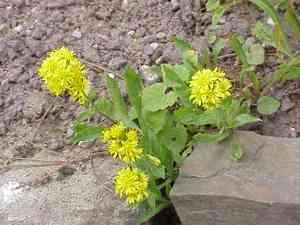
Goldenrod (Solidago virgaurea)
Also known as: European goldenrod
Goldenrod (Solidago spp.) is a perennial known for its bright yellow flowers. Although commonly mistaken as a major allergen, goldenrod actually releases minimal pollen. It's popular in landscaping for sunny, well-drained areas and is excellent for attracting butterflies and bees.
In This Article
Attributes of Goldenrod
Lifespan
Perennial
Plant Type
Herb
Plant Height
30 cm to 1 m
Spread
75 cm
Leaf Color
Green
Flower Size
1 cm
Flower Color
Yellow
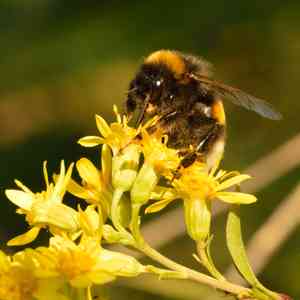
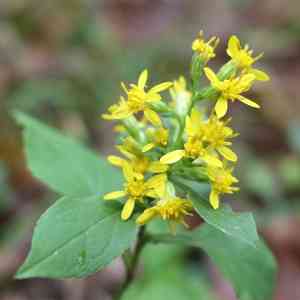
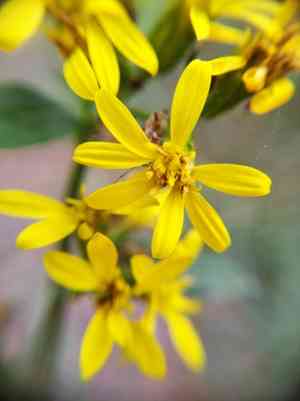
Images of Goldenrod
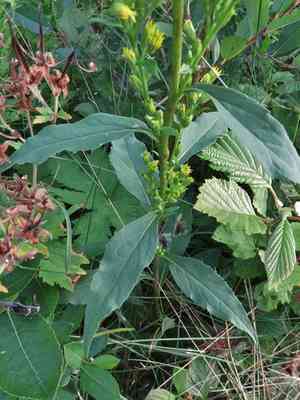
Quickly Identify Goldenrod
1
Goldenrod can be identified by its bright yellow flower clusters, which are composed of tiny, daisy-like flowers. The plant typically grows in clumps with stiff, erect stems and narrow, alternate leaves.
Scientific Classification of Goldenrod
Phylum
Vascular plants
Class
Dicotyledons
Order
Asters bellflowers fanflowers and allies
Family
Daisy
Genus
Goldenrods
Species
Goldenrod
Planting and Growing of Goldenrod
Care Difficulty
Easy
Watering Schedule
Every 4 days
Sunlight Requirements
Full sun
Sunshine Duration
8-12 hours
Ideal Temperature
59-77℉
Soil Type
Potting Mix, Peat Mix
Soil pH
6.5-7.5
Fertilizer Type
Balanced
Pruning Season
Spring, Summer
Pruning Area
Branches, Leaves
Pruning Frequency
2 times a year
Repotting Season
Spring
Pot Type
Plastic, Ceramic
 How to Water Goldenrod?
When watering Solidago virgaurea, aim for approximately 200 ml per session. The soil should feel moist but not soggy, similar to the dampness of a well-wrung sponge. Water until you see a bit of excess liquid draining from the bottom of the pot, ensuring the soil is evenly soaked without waterlogging.
What are the symptoms of an underwatered Goldenrod?
›
What should I do if my Goldenrod is not getting enough water?
›
What are the symptoms of an overwatered Goldenrod?
›
How to save an overwatered Goldenrod?
›
 What Are the Sunlight Requirements for Goldenrod?
Solidago virgaurea thrives best in full sun conditions where it receives 6-8 hours of direct light. This supports robust development and maximizes its flowering capability, contributing to ecological biodiversity and decorative value.
More About Sunlight Requirements Techniques→
What light conditions does Solidago virgaurea thrive in?
›
How can I ensure optimal light for my Solidago virgaurea?
›
What are the benefits of providing ideal light conditions for Solidago virgaurea?
›
 What Is the Ideal Temperature Range for Goldenrod?
For optimal growth, Solidago virgaurea should be maintained in an environment where temperatures range from 59°F to 77°F. This range provides the right balance for metabolic activities, ensuring that the plant can effectively photosynthesize and absorb nutrients without stress. This temperature range mimics its native habitat conditions, allowing it to thrive.
 What Soil is Best for Goldenrod?
Solidago virgaurea thrives in well-drained soil, which prevents waterlogging and root rot. This requirement ensures that the plant's roots receive enough oxygen and nutrient absorption is facilitated, promoting robust growth. This plant prefers soil that is relatively rich in organic matter. A nutrient-rich environment supports vibrant foliage and prolific flowering, making the plant more appealing and healthy. While Solidago virgaurea is drought-tolerant, it prefers soil that retains moisture without being overly wet. Balanced moisture helps the plant maintain its vigor and is crucial during its flowering phase.
More About Soil→
 How to Fertilize Goldenrod?
Solidago virgaurea benefits from a balanced nutrient supply. Use approximately 5 grams of balanced 10-10-10 NPK fertilizer per square meter during the growing season. For liquid fertilizer, dilute it to half the recommended strength to avoid root burn.
More About Fertilizing Techniques→
 How to Prune Goldenrod?
Begin by examining the plant for any damaged, dead, or diseased stems. Cut these back to the base of the plant. This will encourage new growth and prevent any potential diseases from spreading to healthy parts of the plant. After the golden blooms of the Solidago virgaurea have faded, cut the stems back to about two-thirds of their original height. This will encourage a fuller, bushier growth in the following season and help maintain a neat appearance. Clear away any fallen debris and leaves around the base of the plant. This helps in reducing the likelihood of pests and diseases, and ensures the plant base has good air circulation.
More About Pruning Techniques→
 How to Propagate Goldenrod plant?
1
Start by collecting seeds from mature Solidago virgaurea plants when the flower heads turn brown. Shake the seeds onto a clean paper or cloth, and ensure they are fully dry before storing them in a cool, dry place until planting.
2
Choose a healthy, mature plant for division. Gently dig up the plant and carefully separate the root clumps into smaller sections. Ensure each section has adequate roots for replanting and handle with care to avoid root damage.
3
Fill seed trays with a mixture of soil and compost. Sow the seeds evenly on the surface, covering them lightly with soil. Place the divisions in individual pots, ensuring they are secured firmly in the soil to encourage root establishment.
 How to Repot Goldenrod plant?
1
Solidago virgaurea should be repotted when you notice roots growing out of the drainage holes or when growth appears stunted. Spring or summer are ideal as the plant enters a growth phase, which helps it recover from the stress of repotting.
2
Select a pot that is one size larger than the current one, with sufficient drainage holes. Terracotta pots are beneficial as they allow the soil to dry out between waterings, reducing the risk of root rot.
3
Opt for well-draining loamy soil rich in organic matter. This ensures that water doesn't accumulate, preventing waterlogging and promoting healthy root development, which is crucial for Solidago virgaurea's growth.
Learn More About Goldenrod Diseases
Anthracnose
Bacterial Leaf Spot
Bacterial Soft Rot
Bacterial Wilt
Black Spot
Chemical Injury
Crown Gall
Cyst Nematode
Damping-off
Downy Mildew
Drought Stress
Fusarium Wilt
Gray Mold
Leaf Spot
Mosaic
Nutrient Deficiency
Nutrient Toxicity
Powdery Mildew
Root Rot
Root-knot Nematode
Rusts
Sooty Mold
Spider Mites
Temperature Stress
Thrips Damage
White Mold



