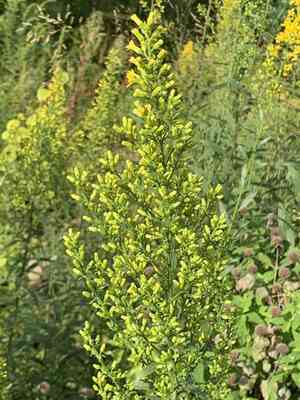
Showy goldenrod (Solidago speciosa)
Also known as: Showy Goldenrod
Goldenrod (Solidago spp.) is a perennial wildflower native to many parts of the United States. It is characterized by its tall, golden flower spikes and can adapt to both moist and dry environments. This plant is an important late-season food source for various wildlife, including bees, birds, and deer.
In This Article
Attributes of Showy goldenrod
Lifespan
Perennial
Plant Type
Herb
Plant Height
61 cm to 2 m
Spread
60 cm to 90 cm
Leaf Color
Green Blue
Flower Size
2.5 cm
Flower Color
Yellow
Images of Showy goldenrod
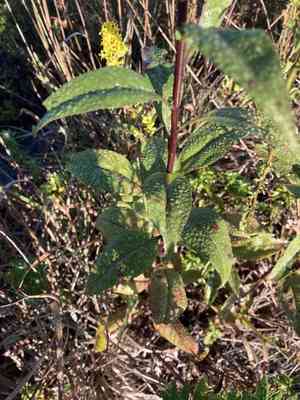
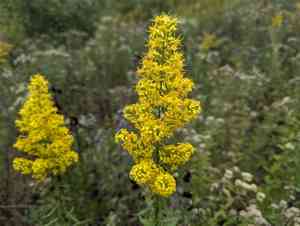
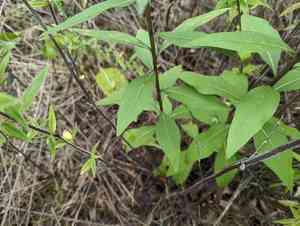
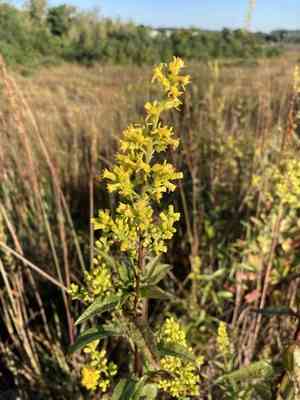
Quickly Identify Showy goldenrod
1
Upright stems up to 4 feet (1.2 meters) tall
2
Elongated clusters of vibrant golden yellow flowers
3
Dense pyramidal cluster of small yellow flower heads
4
Elliptical leaves 4 to 10 inches (10 to 25 cm) long
5
Reddish stems with green, lightly toothed leaves
Scientific Classification of Showy goldenrod
Phylum
Vascular plants
Class
Dicotyledons
Order
Asterales
Family
Daisy
Genus
Goldenrods
Species
Showy goldenrod
Planting and Growing of Showy goldenrod
Care Difficulty
Easy
Watering Schedule
Every 2 days
Sunlight Requirements
Full sun
Sunshine Duration
6-10 hours
Ideal Temperature
65-75℉
Soil Type
Potting Mix, Peat Mix
Soil pH
6.5-7.5
Fertilizer Type
Balanced
Pruning Season
Spring, Summer
Pruning Area
Branches, Leaves
Pruning Frequency
2 times a year
Repotting Season
Spring
Pot Type
Plastic, Ceramic
 How to Water Showy goldenrod?
When watering Solidago speciosa, aim to moisten the soil thoroughly. Pour 500 ml of water to ensure the soil is moist but not waterlogged. This plant prefers its roots to be well-hydrated but not sitting in water, so ensure good drainage.
What are the symptoms of an underwatered Showy goldenrod?
›
What should I do if my Showy goldenrod is not getting enough water?
›
What are the symptoms of an overwatered Showy goldenrod?
›
How to save an overwatered Showy goldenrod?
›
 What Are the Sunlight Requirements for Showy goldenrod?
Solidago speciosa thrives best in full sun environments. Ensuring 6 to 8 hours of sunlight will promote vigorous growth, more robust stem development, and vibrant flowering attributes, crucial for ornamental uses.
More About Sunlight Requirements Techniques→
How much light does Solidago speciosa need?
›
How to ensure ideal lighting for Solidago speciosa?
›
What are the benefits of providing ideal light for Solidago speciosa?
›
 What Is the Ideal Temperature Range for Showy goldenrod?
The ideal temperature range for Solidago speciosa is between 65°F to 75°F. This range provides the best conditions for growth and photosynthesis, allowing the plant to effectively absorb nutrients and water. Ensuring that the plant remains in this temperature range maximizes its potential for flowering and health.
 What Soil is Best for Showy goldenrod?
Solidago speciosa thrives best in well-drained soils, which allow excess water to escape, preventing root rot and fungal diseases. This drainage improves aeration, promotes root health, and enhances nutrient uptake, essential for the vibrant growth of this perennial beauty. Rich organic matter in the soil grants Solidago speciosa essential nutrients for its lush green foliage and vibrant flowers. The presence of compost or decomposed organic materials ensures a steady supply of vital minerals, making the plant more resilient and robust. Consistent moisture without waterlogging is crucial for the good health of Solidago speciosa. Moisture-retentive soil that doesn't become soggy provides the perfect balance, supporting healthy photosynthesis and continuous blooming from late summer into fall.
 How to Fertilize Showy goldenrod?
For Solidago speciosa, the fertilizer amount should be moderate. During the growing season, use around 2 teaspoons of liquid fertilizer per gallon of water once every two weeks. For slow-release fertilizers, use approximately 1/4 cup per plant as directed.
 How to Prune Showy goldenrod?
Start by removing any dead or diseased stems. Cut back last year's growth to ground level to encourage healthy, new growth. In early summer, trim the plant's top growth to encourage lateral branching and prevent legginess. This promotes fuller foliage and more blooms. Trim back up to one-third of the plant's height to shape and size it according to your garden's needs. This step ensures the plant maintains a neat posture.
More About Pruning Techniques→
 How to Propagate Showy goldenrod plant?
1
Start by sowing the seeds indoors in a seed tray filled with a well-draining soil mix. Cover the seeds lightly with soil and water gently to keep the soil moist but not waterlogged.
2
Once seedlings have developed at least two sets of true leaves, they can be transplanted to individual pots or directly into the garden. Ensure they are hardened off if moving outdoors.
3
To propagate through division, carefully dig up a mature plant in early spring. Divide the root clumps into smaller sections making sure each has a healthy root system, and replant them.
 How to Repot Showy goldenrod plant?
1
Solidago speciosa, or Showy Goldenrod, signals its need for repotting when you notice roots circling the bottom of the pot or emerging from drainage holes. Another sign is if water pools on the surface for a prolonged period, indicating poor drainage. Ideally, repot during the growing season in spring when the plant is actively growing.
2
Select a pot that is one to two inches larger in diameter than the current one. It’s essential to have sufficient drainage holes to prevent waterlogging. A slightly larger pot ensures adequate space for root growth, reducing stress on the plant while providing stability and nutrient uptake. Using breathable materials like terracotta can enhance airflow.
3
The ideal soil for Solidago speciosa should be a well-draining potting mix. This type of soil prevents root rot and ensures aeration, promoting healthier root development. Mix a standard potting mix with some perlite or coarse sand to improve drainage and mimic the plant's natural habitat.
Learn More About Showy goldenrod Diseases
Anthracnose
Bacterial Leaf Spot
Bacterial Wilt
Crown Gall
Cyst Nematode
Damping-off
Downy Mildew
Drought Stress
Fusarium Wilt
Gray Mold
Leaf Spot
Mosaic
Nutrient Deficiency
Nutrient Toxicity
Powdery Mildew
Root Rot
Root-knot Nematode
Rusts
Sooty Mold
Spider Mites
Temperature Stress
Thrips Damage
White Mold



