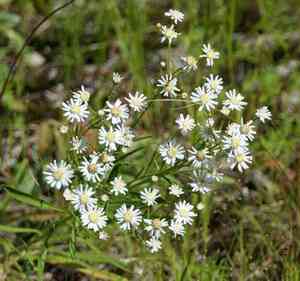
Prairie goldenrod (Solidago ptarmicoides)
Also known as: Prairie Aster, Upland White Goldenrod
The plant known as Prairie goldenrod (Solidago ptarmicoides) is often cultivated in gardens and thrives naturally in dry or rocky environments such as outcrops, woods, and prairies. The scientific name "ptarmicoides" translates to "resembling sneeze-inducing," alluding to the misconception that goldenrod pollen is a common cause of hay fever.
In This Article
Attributes of Prairie goldenrod
Lifespan
Perennial
Plant Type
Herb
Plant Height
30 cm to 61 cm
Spread
30 cm to 60 cm
Leaf Color
Green
Flower Size
2.5 cm
Flower Color
White Yellow
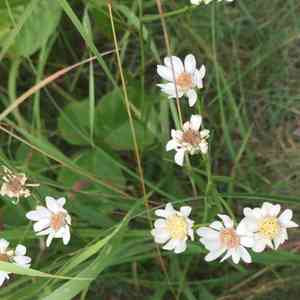
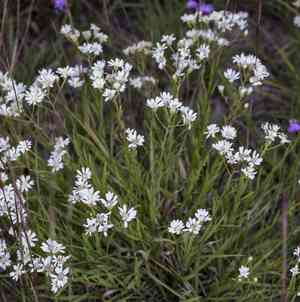
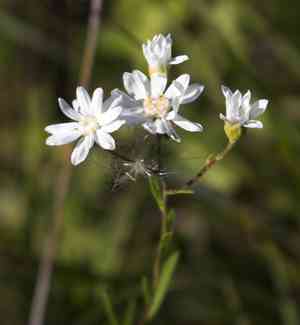
Images of Prairie goldenrod
Quickly Identify Prairie goldenrod
1
Profusion of white blossoms with pale yellow centers
2
Daisy-like flowers in flat-topped clusters with 10-20 white ray petals
3
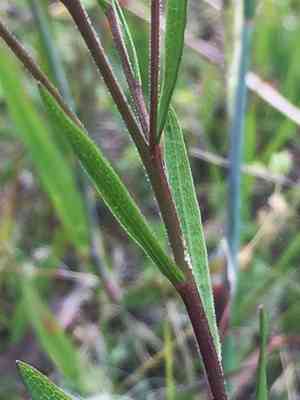
Leaves vary in texture, lanceolate-oval and stalked lower leaves
4
Flowers bloom late summer to fall, creating visually striking clusters
Scientific Classification of Prairie goldenrod
Phylum
Vascular plants
Class
Dicotyledons
Order
Asterales
Family
Daisy
Genus
Goldenrods
Species
Prairie goldenrod
Planting and Growing of Prairie goldenrod
Care Difficulty
Easy
Watering Schedule
Every 2 days
Sunlight Requirements
Full sun
Sunshine Duration
4-8 hours
Ideal Temperature
60-75℉
Soil Type
Potting Mix, Peat Mix
Soil pH
6.5-7.5
Fertilizer Type
Balanced
Pruning Season
Spring, Summer
Pruning Area
Branches, Leaves
Pruning Frequency
2 times a year
Repotting Season
Spring
Pot Type
Plastic, Ceramic
 How to Water Prairie goldenrod?
Solidago ptarmicoides prefers its soil to be kept moderately moist. Water the plant until the moisture penetrates about 6 inches deep. This ensures the roots have ample access to water without creating waterlogged conditions.
What are the symptoms of an underwatered Prairie goldenrod?
›
What should I do if my Prairie goldenrod is not getting enough water?
›
What are the symptoms of an overwatered Prairie goldenrod?
›
How to save an overwatered Prairie goldenrod?
›
 What Are the Sunlight Requirements for Prairie goldenrod?
The ideal light exposure for Solidago ptarmicoides includes full sunlight with 5 to 8 hours daily. Adequate sunlight ensures massive blooms and lush, healthy foliage, critical for the plant's vitality.
More About Sunlight Requirements Techniques→
What is the best location for Solidago ptarmicoides?
›
How can I ensure optimal sunlight access at different seasons?
›
What changes may occur with ideal sunlight levels?
›
 What Is the Ideal Temperature Range for Prairie goldenrod?
The ideal temperature range for growing Solidago ptarmicoides is between 60 and 75 degrees Fahrenheit. This range offers optimal conditions for growth and development, allowing for efficient photosynthesis and nutrient uptake. Maintaining this temperature ensures the plant maintains its robust floral display and healthy foliage.
 What Soil is Best for Prairie goldenrod?
Solidago ptarmicoides thrives in well-draining soils which allow excess water to efficiently pass through the roots, reducing the risk of root rot and ensuring healthy growth. For optimal growth, this plant prefers nutrient-rich soils that can provide essential minerals and nutrients, contributing to vibrant foliage and robust flowering. While Solidago ptarmicoides appreciates soils that don't dry out too quickly, it benefits from environments that hold enough moisture to sustain it during dry periods.
 How to Fertilize Prairie goldenrod?
For Solidago ptarmicoides, also known as upland white goldenrod, it is crucial to use a balanced formula like 10-10-10 or 20-20-20. Apply liquid fertilizers at a concentration of 1 tablespoon per gallon of water to ensure the plant receives essential nutrients without overwhelming its roots.
 How to Prune Prairie goldenrod?
Start by removing any dead or damaged stems near the base. Use sharp, clean shears to avoid tearing the plant tissue. Focus on cutting just above a healthy leaf node to encourage new growth. Deadhead spent flowers by cutting them back to a lateral leaf to encourage more blooms. This not only improves the plant's appearance but redirects energy to producing new blooms.
More About Pruning Techniques→
 How to Propagate Prairie goldenrod plant?
1
Fill seed trays with appropriate seed-starting mix. Scatter the seeds evenly on the surface, gently press them down, and cover with a thin layer of soil. Water lightly to keep the mix moist, ensuring no waterlogging.
2
In early spring, dig up mature clumps of Solidago ptarmicoides. Use a sharp spade to divide the clump into smaller sections, each with a healthy root system. Replant the divisions at the same soil depth.
3
Once seedlings have developed a set of true leaves, they can be transplanted into larger pots or directly into the garden. Harden off the seedlings by gradually exposing them to outdoor conditions before transplanting.
 How to Repot Prairie goldenrod plant?
1
Solidago ptarmicoides shows signs for repotting when its roots start emerging from the drainage holes, or if you notice that water takes longer to drain after watering. Additionally, cramped stems and reduced flowering are clear indicators that a repot is necessary. These signals suggest that the plant has outgrown its pot and needs more space to thrive.
2
Selecting the right pot for Solidago ptarmicoides involves choosing one with several drainage holes to allow excess water to escape, preventing root rot. A terracotta pot is often an excellent choice as it allows soil to 'breathe' and helps maintain balanced moisture levels. Opt for a pot that is 1-2 inches larger in diameter than the current one to give roots the space they need to grow without overwhelming the plant.
3
For Solidago ptarmicoides, a well-draining sandy soil mix is crucial. This soil choice prevents waterlogging by allowing excess water to flow freely, mimicking the plant’s natural habitat. Combining garden soil with sand and a bit of organic matter such as compost gives the roots the right blend of nutrients while ensuring ample drainage, encouraging healthy growth.
Learn More About Prairie goldenrod Diseases
Anthracnose
Bacterial Leaf Spot
Bacterial Soft Rot
Bacterial Wilt
Black Spot
Chemical Injury
Crown Gall
Cyst Nematode
Damping-off
Downy Mildew
Drought Stress
Fusarium Wilt
Gray Mold
Leaf Spot
Mosaic
Nutrient Deficiency
Nutrient Toxicity
Powdery Mildew
Root Rot
Root-knot Nematode
Rusts
Sooty Mold
Spider Mites
Temperature Stress
Thrips Damage
White Mold



