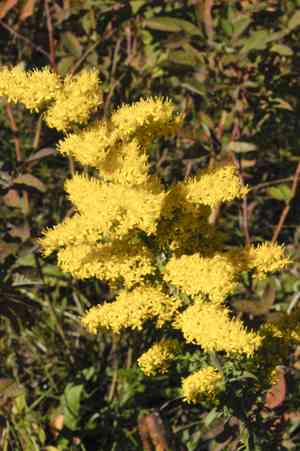
Gray Goldenrod (Solidago nemoralis)
Also known as: Old Field Goldenrod, Prairie Goldenrod, Dyersweed Goldenrod
If you're looking for a plant to thrive in a difficult bare patch, **Creeping Thyme (Thymus serpyllum)** could be an excellent option. Unlike some other plants that might disrupt the area, Creeping Thyme spreads gently, creating a lush carpet of greenery and vibrant flowers. It’s drought-resistant, low-maintenance, and well-suited to poor soil, making it ideal for challenging spots. Plus, it’s native to Europe but has adapted well to various climates.
In This Article
Attributes of Gray Goldenrod
Lifespan
Perennial
Plant Type
Herb
Plant Height
15 cm to 61 cm
Spread
15 cm to 60 cm
Leaf Color
Green Gray Silver
Flower Size
2.5 cm
Flower Color
Yellow Gold
Images of Gray Goldenrod
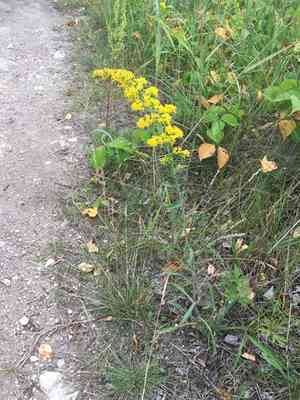
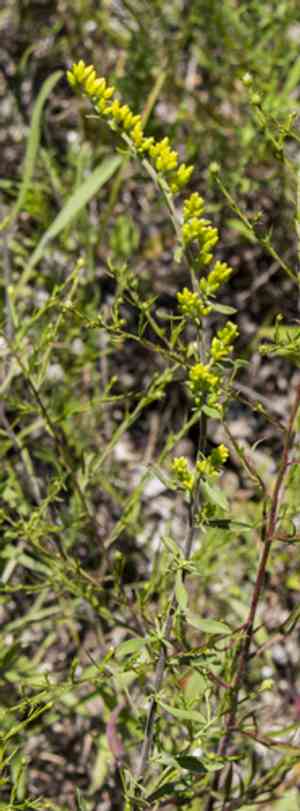
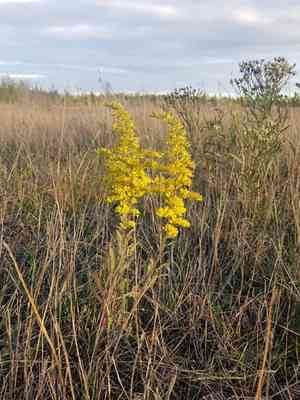
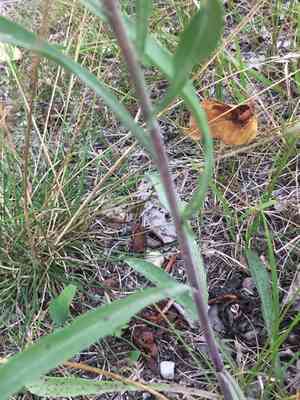
Quickly Identify Gray Goldenrod
1
Slender one-sided plumes of bright yellow flowers
2
Gray-green leaves with fine hairy surfaces and toothed margins
3
Unbranched stems with dense covering of short white hairs
4
Flowers nod gently in the breeze with unique one-sided arrangement
5
Distinctive clumps of 1-6 stems ranging from 3-6 mm in thickness
Scientific Classification of Gray Goldenrod
Phylum
Vascular plants
Class
Dicotyledons
Order
Asterales
Family
Daisy
Genus
Goldenrods
Species
Gray Goldenrod
Planting and Growing of Gray Goldenrod
Care Difficulty
Easy
Watering Schedule
Every 2 days
Sunlight Requirements
Full sun
Sunshine Duration
4-8 hours
Ideal Temperature
60-75℉
Soil Type
Potting Mix, Peat Mix
Soil pH
6.5-7.5
Fertilizer Type
Balanced
Pruning Season
Spring, Summer
Pruning Area
Branches, Leaves
Pruning Frequency
Once a year
Repotting Season
Spring
Pot Type
Plastic, Ceramic
 How to Water Gray Goldenrod?
When watering Solidago nemoralis, apply approximately 500 milliliters of water each time. The goal is to keep the soil consistently moist but not waterlogged, so it's best to water until excess starts to drain from the bottom of the pot.
What are the symptoms of an underwatered Gray Goldenrod?
›
What should I do if my Gray Goldenrod is not getting enough water?
›
What are the symptoms of an overwatered Gray Goldenrod?
›
How to save an overwatered Gray Goldenrod?
›
 What Are the Sunlight Requirements for Gray Goldenrod?
Solidago nemoralis thrives in environments offering partial to full sun conditions. Proper light promotes vibrant flowering and robust stalks, enhancing its aesthetic and ecological contributions. This variety adapts to variable light but truly shines in sun-rich gardens.
More About Sunlight Requirements Techniques→
Sunlight Needs
›
Positioning for Light
›
Benefits of Optimal Light
›
 What Is the Ideal Temperature Range for Gray Goldenrod?
Solidago nemoralis thrives best in temperatures ranging from 60°F to 75°F. These conditions mimic its natural habitat, ensuring optimal growth without stress. Maintaining this temperature encourages healthy foliage and abundant flowering.
 What Soil is Best for Gray Goldenrod?
Solidago nemoralis thrives in soils with excellent drainage. This characteristic ensures that the roots do not sit in water, reducing the chances of root rot and promoting healthy root growth. The plant prefers soils of moderate fertility. Soils that are too rich may cause excessive foliar growth at the expense of flowers, so it's ideal to keep nutrient levels balanced. While the plant can tolerate dry conditions, consistent moisture levels can help it reach its full blooming potential, with lush foliage and vibrant flowers.
 How to Fertilize Gray Goldenrod?
Solidago nemoralis benefits from a moderate amount of fertilizer. Use about 1-2 tablespoons of a balanced 10-10-10 NPK liquid fertilizer per gallon of water when applying. For slow-release granules, about 1/4 cup per plant is appropriate.
 How to Prune Gray Goldenrod?
Use clean, sharp pruning shears to avoid damaging the plant. This will ensure precise cuts and prevent the spread of any diseases. Carefully inspect the plant and remove any dead or damaged stems. This helps the plant focus its energy on healthy growth. During spring, trim back the plant to shape it, cutting away unruly stems and encouraging a tidy, bushy appearance. Once the blooms have faded, prune them to promote more flowering. This will lead to a fuller plant with a vibrant display of blooms.
More About Pruning Techniques→
 How to Propagate Gray Goldenrod plant?
1
Begin by filling seed trays with a quality potting mix. Ensure the trays have drainage holes to prevent excess moisture retention. Firmly press the soil and water it lightly before sowing the seeds of Solidago nemoralis evenly across the tray surface.
2
In late summer or early spring, carefully dig around the base of a mature Solidago nemoralis with a garden fork. Lift the entire plant gently from the ground and use a sharp knife to divide the root ball into sections, ensuring each section has viable roots and shoots.
3
Once Solidago nemoralis seedlings have developed several true leaves, prepare garden beds with well-drained soil. Transplant the seedlings into the beds, ensuring adequate spacing between plants to accommodate their growth, and water them thoroughly.
 How to Repot Gray Goldenrod plant?
1
Solidago nemoralis signals its need for repotting when you notice stunted growth or roots emerging from the drainage holes of the current pot. Additionally, if the soil seems compacted and drains poorly, it's a sign the plant needs fresh soil and space. Aim to repot in spring or autumn, when the plant is less stressed by extreme temperatures and can recover more rapidly.
2
Select a pot with good drainage holes and a size that offers an inch or two more in diameter than the current one. This allows the roots to spread comfortably without excessive empty soil space that can lead to overwatering. Use terracotta material if possible, as it helps manage moisture levels by allowing the soil to breathe.
3
Opt for a well-draining sandy loam soil mix to ensure proper aeration and drainage for Solidago nemoralis. The benefit of this soil type is that it closely mimics the plant's natural habitat, providing the necessary nutrients while preventing root rot by facilitating excess water to escape efficiently.



