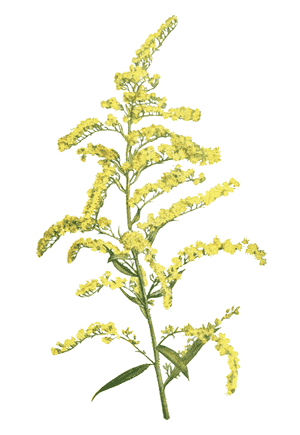
Pine barren goldenrod (Solidago fistulosa)
Also known as: Pine Barren Goldenrod
Pine barren goldenrod, scientifically known as Solidago fistulosa, is characterized by its tall, slender stalks and dense clusters of small, vivid yellow flowers. It typically blooms from late summer through fall. This resilient perennial is commonly found in open, sunny areas such as fields and meadows. The plant's narrow, lance-shaped leaves are arranged along the stem, offering a subtle contrast to the vibrant flower clusters at the top. Pine barren goldenrod is also notable for attracting a variety of pollinators, making it an essential component of its ecosystem.
In This Article
Attributes of Pine barren goldenrod
Lifespan
Perennial
Plant Type
Herb
Plant Height
1.2 m
Spread
60 cm
Leaf Color
Green
Flower Size
0.25-0.5 inches
Flower Color
Yellow
Images of Pine barren goldenrod
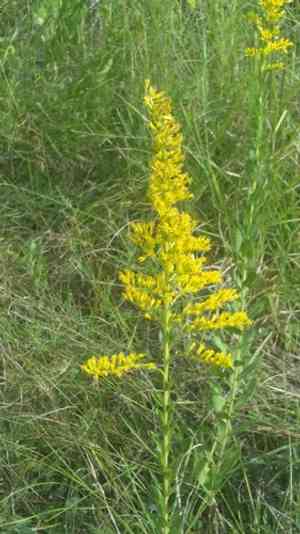
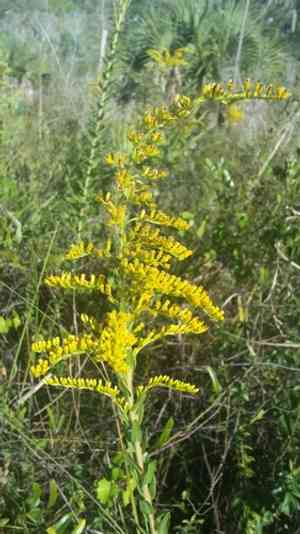
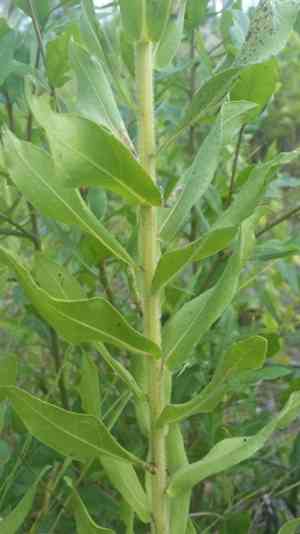
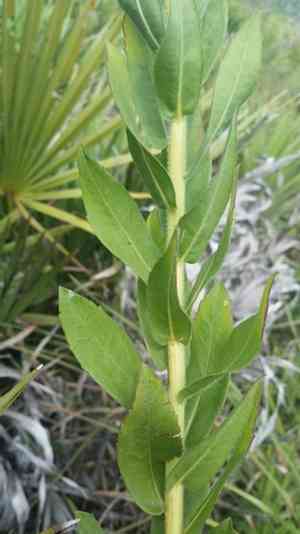
Quickly Identify Pine barren goldenrod
1
It can be identified by its tall, slender stems that can grow up to 6 feet high, with small, bright yellow flowers arranged in dense, elongated clusters. The leaves are lance-shaped and alternate along the stem.
Scientific Classification of Pine barren goldenrod
Phylum
Vascular plants
Class
Dicotyledons
Order
Asterales
Family
Daisy
Genus
Goldenrods
Species
Pine barren goldenrod
Planting and Growing of Pine barren goldenrod
Care Difficulty
Easy
Watering Schedule
Every 3 days
Sunlight Requirements
Full sun
Sunshine Duration
6-10 hours
Ideal Temperature
60-75℉
Soil Type
Potting Mix, Peat Mix
Soil pH
6.5-7.5
Fertilizer Type
Balanced
Pruning Season
Spring, Summer
Pruning Area
Branches, Leaves
Pruning Frequency
2 times a year
Repotting Season
Spring
Pot Type
Plastic, Ceramic
 How to Water Pine barren goldenrod?
For Solidago fistulosa, a watering regimen should typically involve providing about 500 milliliters of water per session. Ensure the soil is thoroughly moistened but not waterlogged, allowing the soil to dry slightly between waterings. The plant thrives with a balance where it's neither too dry nor too soggy, adhering to the golden mean for optimal growth.
What are the symptoms of an underwatered Pine barren goldenrod?
›
What should I do if my Pine barren goldenrod is not getting enough water?
›
What are the symptoms of an overwatered Pine barren goldenrod?
›
How to save an overwatered Pine barren goldenrod?
›
 What Are the Sunlight Requirements for Pine barren goldenrod?
Ideally, Solidago fistulosa thrives in environments receiving full to partial sun, necessitating 6-8 hours of sunlight per day. This optimum light exposure promotes vibrant flowering, dense foliage, and a sturdy structure, enhancing its ecological role and ornamental value.
Optimal Sunlight Duration
›
Balancing Sun Exposure
›
Benefits of Optimal Light
›
 What Is the Ideal Temperature Range for Pine barren goldenrod?
Solidago fistulosa flourishes best in a temperature range between 60°F and 75°F. This range allows for optimal growth and photosynthesis, ensuring the plant remains healthy and vibrant. Maintaining this range helps avoid plant stress and encourages blooming.
 What Soil is Best for Pine barren goldenrod?
Solidago fistulosa thrives in nutrient-rich soils that provide essential minerals and nutrients, promoting robust growth and vibrant blooms. Ensuring adequate organic matter boosts soil fertility. This plant requires well-drained soil to prevent waterlogged conditions that can lead to root rot. Proper drainage ensures healthy root development and nutrient uptake. While the soil should retain moisture, it must also allow air circulation around the roots. Sufficient air and moisture balance prevent fungal diseases and support root health.
 How to Fertilize Pine barren goldenrod?
For Solidago fistulosa, a moderate application of fertilizer is usually sufficient. Aim for about 1/2 teaspoon of balanced liquid fertilizer per gallon of water for liquid application, ensuring even distribution without oversaturating the soil.
 How to Prune Pine barren goldenrod?
Begin by removing any dead or damaged stems from the plant in early spring. Cut back to the base of the plant to ensure that it can focus its energy on healthy growth. Trim any remaining stems to encourage new, vigorous development as the growing season progresses. Post blooming, remove spent flower heads to prevent the plant from excessively self-seeding, which can lead to a cluttered garden appearance. Deadheading also encourages a neater look and can promote a second round of blooming if conditions allow. At the end of the growing season in autumn, prune Solidago fistulosa once more to tidy up the plant and prepare it for winter dormancy. Cut back stems to around half their height, removing any that appear weak or overcrowded, to maintain the overall shape and health of the plant.
More About Pruning Techniques→
 How to Propagate Pine barren goldenrod plant?
1
Scatter the seeds on prepared seed trays filled with a peat-based mix. Lightly cover them with soil and keep the trays in a warm, well-lit area. Maintain soil moisture but avoid waterlogging.
2
Choose healthy stems and cut 4-6 inch sections with at least two nodes. Remove lower leaves and dip the cut ends in rooting hormone before planting in a moist, well-draining medium.
3
Carefully dig around the base of the plant to lift the entire clump. Gently separate the roots into smaller sections, ensuring each new division has a healthy root system, and replant them promptly.
 How to Repot Pine barren goldenrod plant?
1
Solidago fistulosa should be repotted when you notice its roots emerging from drainage holes, a sure sign the plant is outgrowing its current pot. Additionally, if water takes longer to drain or if the plant shows significant slowing in growth during the active season, it may need a roomier home.
2
Select a pot that's just one or two sizes larger than the current one to avoid excessive soil dampness which could lead to root rot. A pot with adequate drainage holes is crucial, allowing excess water to escape easily and ensuring the roots get the air they need.
3
Opt for a well-draining, loamy soil mix that retains some moisture but doesn’t become too soggy. This helps cater to the natural habitat preferences of Solidago fistulosa, fostering healthy root development and sustaining robust plant growth.
Learn More About Pine barren goldenrod Diseases
Anthracnose
Bacterial Leaf Spot
Bacterial Wilt
Crown Gall
Cyst Nematode
Damping-off
Downy Mildew
Drought Stress
Fusarium Wilt
Gray Mold
Leaf Spot
Mosaic
Nutrient Deficiency
Nutrient Toxicity
Powdery Mildew
Root Rot
Root-knot Nematode
Rusts
Sooty Mold
Spider Mites
Temperature Stress
Thrips Damage
White Mold
Chemical Injury



