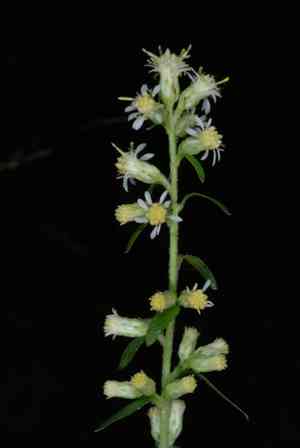
Silverrod (Solidago bicolor)
Also known as: Goldenrod
The shrub you're referring to is Eupatorium perfoliatum, also known as Boneset. This perennial blooms from summer to fall, producing clusters of white, daisy-like flowers that are highly attractive to butterflies and bees. Its sap is toxic to deer and rabbits, deterring them from feeding on it. Boneset thrives in full sun and is an excellent choice for gardens, especially in areas prone to drought.
In This Article
Attributes of Silverrod
Lifespan
Perennial
Plant Type
Herb
Plant Height
61 cm to 91 cm
Spread
30 cm to 60 cm
Leaf Color
Green
Flower Size
2.5 cm
Flower Color
White Yellow
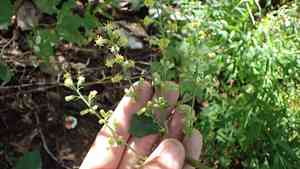
Images of Silverrod

Quickly Identify Silverrod
1
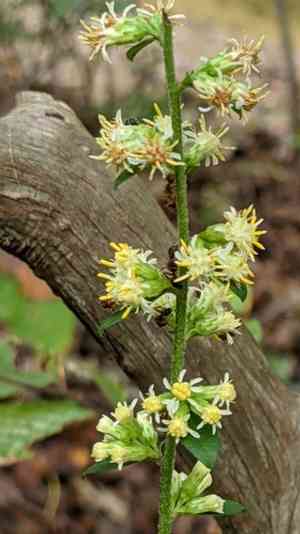
Distinct white to yellowish-white ray flowers encircle a yellow central disc, creating a unique coloration contrast.
2
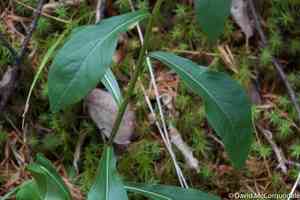
Elliptically shaped upper leaves with lower leaves measuring 2 to 4 inches (5 to 10 cm) in length.
3
Lower leaves possess shallowly toothed edges and a grayish downy texture, contributing to a velvety feel.
4
Flowers lack scent, relying on their visually conspicuous spikes of white to yellowish-white petals for identification.
5
The plant's inflorescence takes the shape of elongated spikes, adding to its distinctive appearance.
Scientific Classification of Silverrod
Phylum
Vascular plants
Class
Dicotyledons
Order
Asterales
Family
Daisy
Genus
Goldenrods
Species
Silverrod
Planting and Growing of Silverrod
Care Difficulty
Easy
Watering Schedule
Every 2 days
Sunlight Requirements
Full sun
Sunshine Duration
4-8 hours
Ideal Temperature
60-75℉
Soil Type
Potting Mix, Peat Mix
Soil pH
6-7.5
Fertilizer Type
Balanced
Pruning Season
Spring, Summer
Pruning Area
Branches, Leaves
Pruning Frequency
Once a year
Repotting Season
Spring
Pot Type
Plastic, Ceramic
 How to Water Silverrod?
Solidago bicolor enjoys a moderate watering schedule, requiring approximately 500ml of water each session. The key is to ensure the soil remains moist but never waterlogged, simulating its natural environment where it thrives in well-drained soils.
What are the symptoms of an underwatered Silverrod?
›
What should I do if my Silverrod is not getting enough water?
›
What are the symptoms of an overwatered Silverrod?
›
How to save an overwatered Silverrod?
›
 What Are the Sunlight Requirements for Silverrod?
Solidago bicolor thrives best in conditions offering full to partial sunlight. Ideal light allows vigorous flowering and enhances growth, essential for its robust development.
More About Sunlight Requirements Techniques→
What is the ideal light level for Solidago bicolor?
›
How can you achieve ideal lighting conditions for Solidago bicolor?
›
What are the benefits of providing Solidago bicolor with ideal lighting?
›
 What Is the Ideal Temperature Range for Silverrod?
Solidago bicolor thrives best in temperatures ranging from 60°F to 75°F. This temperature range allows the plant to carry out its essential physiological processes efficiently, supporting optimal growth and flowering. Maintaining temperatures within this range can enhance the plant's resistance to diseases and pests, promoting lush foliage and vibrant blooms.
 What Soil is Best for Silverrod?
Solidago bicolor thrives in nutrient-rich soils. These soils promote vigorous growth and abundant flowering, providing the essential minerals that the plant needs to flourish throughout its growing season. A well-drained soil is vital for preventing root rot in Solidago bicolor. This type of soil ensures that while the roots have access to moisture, they aren't submerged in water for prolonged periods, promoting healthy root systems. Solidago bicolor prefers soils with moderate moisture levels. This balance is crucial as too much water can lead to root issues while too little moisture can stunt growth and limit flowering.
 How to Fertilize Silverrod?
Solidago bicolor, commonly known as white goldenrod, benefits from balanced fertilizers that are not too high in nitrogen. Apply liquid fertilizer at half strength to prevent over-fertilization, aiming for a gentle feed.
 How to Prune Silverrod?
Begin by using clean, sharp pruning shears. Remove any dead or diseased stems to promote healthy new growth. Cut back the stems by a third to encourage bushier growth and stronger stems. Focus on cutting just above a leaf node, which allows better sprouting. Deadhead spent flowers regularly throughout the blooming season to extend blooming and improve the overall aesthetic of the plant. For more controlled growth, consider thinning out crowded areas to improve air circulation. This is particularly important in the summer when humidity can increase the risk of mildews. Also, cutting back taller stems by half in late spring can prevent flopping, especially if the plant is in a windy location. Pinch back young shoots in early spring for a more compact plant habit.
More About Pruning Techniques→
 How to Propagate Silverrod plant?
1
Start by filling seed trays with a well-draining seed-starting mix. Sow the seeds on the surface and cover lightly with soil. Keep the soil moist until germination.
2
For division, choose an established Solidago bicolor plant. Water it thoroughly a day before to ease root separation and ensure better adaptability after division.
3
After dividing, immediately transplant the clumps into prepared soil. Make sure the soil is well-drained and fertile. Water the plants thoroughly after transplanting.
 How to Repot Silverrod plant?
1
Re-pot Solidago bicolor when you notice the roots are circling the base of the pot or emerging from the drainage holes. Spring and summer are the optimal seasons as the plant is in its active growth phase, ensuring a smoother transition into new soil and conditions. You might also consider re-potting if the soil becomes compacted or waterlogged.
2
Select a pot that is 1-2 inches larger in diameter than the current one to allow room for root expansion. It's essential to choose a pot with good drainage holes to prevent waterlogging, which can lead to root rot. Opting for a breathable material like terracotta can also help keep moisture levels balanced.
3
For Solidago bicolor, choose a well-draining, loamy soil mix with good aeration. The loamy texture provides essential nutrients and retains enough moisture without becoming soggy, which is vital for supporting the plant's health. Adding a small amount of sand or perlite can further enhance drainage.



