Nightshades (Solanum)(Solanum)

Nightshades (Solanum) (Solanum)

Also known as: Nightshade, Nighthade family

The nightshade family, encompassing over 1,500 distinct species globally, includes both essential food crops and hazardous plants. Key staple foods in this family are potatoes, tomatoes, and eggplants. Conversely, it also contains toxic species such as deadly nightshade (belladonna) and jimsonweed. The term "nightshade" was originally coined by the ancient Roman author Pliny the Elder nearly two millennia ago.

Attributes of Nightshades (Solanum)

Lifespan
Annual, Biennial, Perennial
Plant Height
80 cm
Spread
80 cm
Leaf Color
Green, often with variations depending on the specific species and environmental conditions.
Flower Size
Typically 1 to 3 centimeters.
Flower Color
Varies widely; common colors include white, purple, and blue.

ForwardPlant - Identify plants with a snap

Identify and diagnose plants, get toxicity alerts, and explore safety guides for all types of fungi.

Try for Free

Images of Nightshades (Solanum)

Nightshades (Solanum)(Solanum)

Quickly Identify Nightshades (Solanum)

1
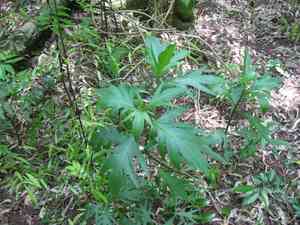
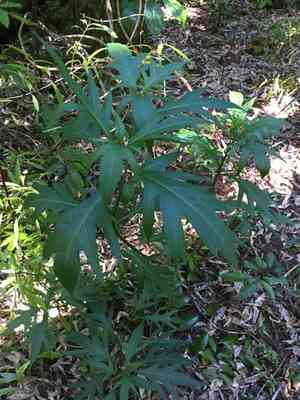
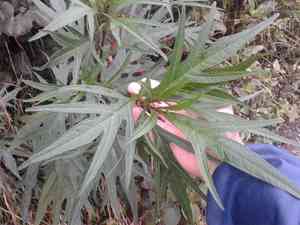
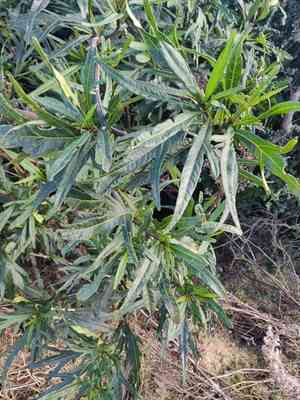
Identification of Solanum species often involves examining the flowers, which are typically star-shaped and have five petals. The leaves can vary widely, but are often simple and alternate. Some species have thorns or prickly stems. Fruit characteristics, such as size, color, and texture, can also aid in identification.

Scientific Classification of Nightshades (Solanum)

Phylum
Magnoliophyta
Class
Magnoliopsida
Order
Solanales
Family
Solanaceae
Genus
Solanum

Planting and Growing of Nightshades (Solanum)

Care Difficulty
Moderate
Watering Schedule
Every 4 days
Sunlight Requirements
Partial sun
Sunshine Duration
4-8 hours
Ideal Temperature
70-85℉
Soil Type
Potting Mix, Peat Mix
Soil pH
5.5-7.5
Fertilizer Type
Balanced
Pruning Season
Spring, Summer
Pruning Area
Branches, Leaves
Pruning Frequency
2 times a year
Repotting Season
Spring
Pot Type
Terracotta, Plastic

water icon How to Water Nightshades (Solanum)?

When watering Solanum, ensure the soil is evenly moist but not waterlogged. You should aim to provide about 250 ml of water each time, which typically allows the soil to absorb moisture thoroughly without creating an overly wet environment that could lead to root rot.
What are the symptoms of an underwatered Nightshades (Solanum)? ›
What should I do if my Nightshades (Solanum) is not getting enough water? ›
What are the symptoms of an overwatered Nightshades (Solanum)? ›
How to save an overwatered Nightshades (Solanum)? ›

sunlight icon What Are the Sunlight Requirements for Nightshades (Solanum)?

Sunlight Requirements: Partial sun
Duration of light: 4 to 6 hours
Partial sunlight is ideal for Solanum, ensuring enough energy for photosynthesis without risk of burn. This balance sustains robust growth and vivid leaf coloration effectively.
What is the best lighting condition for Solanum? ›
How can you achieve ideal light conditions? ›
What benefits does ideal lighting provide? ›

temperature icon What Is the Ideal Temperature Range for Nightshades (Solanum)?

Ideal Temperature: 70 ~ 85℉
For optimal growth and development, Solanum plants thrive best in temperatures ranging from 70°F to 85°F. This temperature range provides an environment that supports active photosynthesis and robust growth. Maintaining such conditions ensures healthy vegetation and maximized yield in fruit-producing varieties.

soil icon What Soil is Best for Nightshades (Solanum)?

Soil type: Loam, Sandy loam
Soil PH: 5.5 ~ 7.5
Solanum thrives in soil that is rich in organic matter, providing essential nutrients for robust growth and productivity. A nutrient-rich soil enhances root development and overall plant vitality, leading to a bountiful harvest. Good drainage is crucial for Solanum to prevent root rot and other water-related issues. Well-draining soil ensures that excess moisture doesn't accumulate, allowing roots to access oxygen and stay healthy. While drainage is important, Solanum also benefits from soil that retains some moisture to sustain growth during dry periods. This balance is vital for consistent water availability without the risk of overwatering.

fertilize icon How to Fertilize Nightshades (Solanum)?

Fertilizer type: Balanced
Solanum plants appreciate a balanced approach to fertilization. It's recommended to use a soluble liquid fertilizer at half the recommended strength to avoid overwhelming the plant’s delicate root system. Aim for roughly 10-15 grams of fertilizer per liter of water.

prune icon How to Prune Nightshades (Solanum)?

Pruning Time: Spring, Summer
Begin by sterilizing your pruning shears to prevent the spread of disease. Identify the main stem and observe any side shoots. Trim back any dead or diseased branches first. Then, cut back any overgrown or wayward branches to maintain the desired shape and size. Focus on removing branches that cross each other or rub together. Ensure your cuts are clean and at a 45-degree angle to promote quick healing and new growth. Remember to step back occasionally to assess the plant's shape and balance while you work.

propagate icon How to Propagate Nightshades (Solanum) plant?

Propagate Time: Spring, Late spring, Early spring, Summer
1
Begin by preparing a well-draining potting mix. A mixture of peat, perlite, and sand works well for most Solanum varieties. Ensure the soil is slightly moist but not waterlogged to encourage healthy seedling growth.
2
Scatter the seeds evenly over the prepared soil surface. Cover them lightly with a thin layer of soil or vermiculite. This layer should be enough to protect the seeds but thin enough to allow light to reach them, as some Solanum species require light for germination.
3
Select healthy, non-flowering stems from the parent plant to use as cuttings. Cut a length of about 4-6 inches, remove the lower leaves, and plant the cutting into a pot filled with the same potting mix. Ensure at least two nodes are buried to encourage root development.

repot icon How to Repot Nightshades (Solanum) plant?

Repotting frequency: Every 1-2 years
1
Solanum plants need repotting when roots begin to protrude from drainage holes or the plant appears top-heavy. It's best to repot during active growth phases in spring or summer for optimal recovery and growth potential.
2
Select a pot that is 1-2 inches larger in diameter than the current one to allow room for root expansion. Ensure it has sufficient drainage holes to prevent waterlogging, which might lead to root rot, ensuring the plant's health.
3
A well-draining potting mix is ideal, often comprised of peat, perlite, and sand. This mixture provides aeration and reduces the risk of water logging, promoting healthy root development and plant growth.

ForwardPlant - Identify plants with a snap

Find the best spots for them to optimize their health, simply using your phone.

Try for Free

Toxicity of Nightshades (Solanum)

Is Nightshades (Solanum) toxic to cat?

Living up to its notorious reputation, this plant poses a significant toxicity risk to felines, and swift medical intervention is essential should your cat consume it. Certain varieties of nightshades contain toxic compounds throughout their entire structure, while others may restrict their toxins to specific parts, like the berries. Commonly observed symptoms include intense gastrointestinal distress, diarrhea, confusion, excessive salivation, diminished appetite, lethargy, enlarged pupils, and a reduction in heart rate.

Is Nightshades (Solanum) toxic to dog?

In alignment with its notorious reputation, ingesting nightshade plants can be highly poisonous to dogs and requires prompt veterinary intervention. Every part of these plants harbors multiple toxic compounds that may lead to symptoms such as loss of appetite, profuse drooling, vomiting, diarrhea, dilated pupils, confusion, altered behavior, and overall weakness. In severe instances, this may escalate to respiratory distress, decreased heart rate, coma, or even fatality, making it essential to consider this a medical emergency if your pet has been exposed to these plants.


Identify toxic plants for your safety

Learn which plants are harmful to you and your pets, and make informed choices for a safer home!

Try for Free
WARNING
The judgment on toxicity and danger is for reference only. We DO NOT GUARANTEE any accuracy of such judgment. Therefore, you SHALL NOT rely on such judgment. It is IMPORTANT TO SEEK PROFESSIONAL ADVICE in advance when necessary.
More About Toxic Techniques→