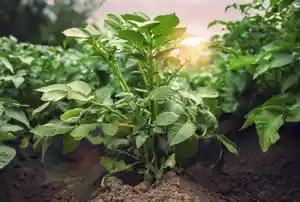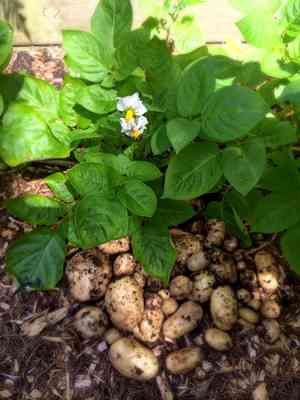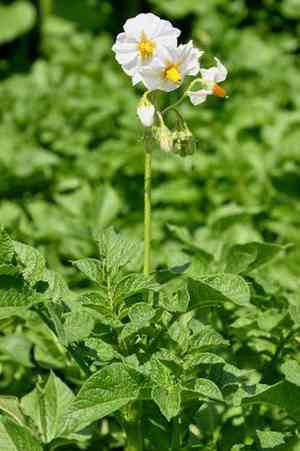
Potato(Solanum tuberosum)

Potato (Solanum tuberosum)

Also known as: Tater, Spud

The second most consumed food product in the United States is the potato, which is native to North America. This starchy tuber is a crucial part of many diets globally and ranks as the fourth most important crop worldwide.

Attributes of Potato

Lifespan
Perennial, Annual, Biennial
Plant Type
Herb
Plant Height
30 cm to 1 m
Spread
30 cm to 45 cm
Leaf Color
Green
Flower Size
3 cm to 4 cm
Flower Color
White Purple Pink

PlantJoy - Identify plants with a snap

Identify and diagnose plants, get toxicity alerts, and explore safety guides for all types of fungi.

Try for Free

Images of Potato

Potato(Solanum tuberosum)

Quickly Identify Potato

1
Pinnately compound dark green leaves with 6-8 leaflets, hairy, up to 10 inches (25 cm) long.
2
Colorful flowers (white, pink, purple, blue) with central yellow stamens, 2.5-3 cm (1-1.2 inches) wide.
3
Toxic yellowish-green berries, 0.5 inches (1.27 cm) in diameter, sometimes striped, containing numerous seeds.
4
Erect, branching stems, smooth to sparsely hairy, reaching 2-3 feet (60-90 cm) in height.
5
Underground tubers and horizontal stolons crucial for plant propagation and identification.

Scientific Classification of Potato

Phylum
Vascular plants
Class
Dicotyledons
Order
Nightshades, bindweeds, gooseweeds, and allies
Family
Nightshade
Genus
Nightshades
Species
Potato

Planting and Growing of Potato

Care Difficulty
Easy
Watering Schedule
Every 8 days
Sunlight Requirements
Full sun
Sunshine Duration
6-8 hours
Ideal Temperature
55-77℉
Soil Type
Potting Mix, Peat Mix
Soil pH
5.5-7.5
Fertilizer Type
Balanced
Pruning Season
Spring, Summer
Pruning Area
Branches, Leaves
Pruning Frequency
2 times a year
Repotting Season
Spring
Pot Type
Plastic, Ceramic

water icon How to Water Potato?

The watering amount for Solanum tuberosum, commonly known as the potato plant, should be approximately 500 milliliters per watering session. The key is to ensure the soil is thoroughly moistened but not waterlogged, as potatoes prefer even moisture levels to thrive. One should aim for the water to seep about 10-12 inches into the soil, ensuring the tubers get adequate moisture.
What are the symptoms of an underwatered Potato?
What should I do if my Potato is not getting enough water?
What are the symptoms of an overwatered Potato?
How to save an overwatered Potato?
More About Watering Techniques

sunlight icon What Are the Sunlight Requirements for Potato?

Sunlight Requirements: Full sun
Duration of light: 6 to 8 hours
Potatoes favor full sun, which is often 6 to 8 hours of direct sunlight. Ideal conditions help maximize photosynthesis, lead to healthier foliage, and promote substantial tuber growth, ultimately resulting in higher yields.
How much light does Solanum tuberosum need?
Can potatoes grow in partial shade?
How to manage lighting for optimal growth?
More About Sunlight Requirements Techniques

temperature icon What Is the Ideal Temperature Range for Potato?

Ideal Temperature: 55 ~ 77℉
The ideal temperature range for cultivating Solanum tuberosum, commonly known as potato, is between 55°F and 77°F. This range ensures optimal growth and development, providing adequate warmth for photosynthesis without causing heat stress to the plant.

soil icon What Soil is Best for Potato?

Soil type: Loam, Sandy loam
Soil PH: 5.5 ~ 7.5
Potatoes thrive in well-drained loamy soil. Good drainage prevents waterlogging, which can lead to tuber rot and disease, ensuring healthy plant growth and optimal yield. The soil should be rich in organic matter for potatoes. Nutrient-rich soil supports the development of tubers, providing essential minerals that facilitate vigorous plant growth and a bountiful harvest. Loose soil is crucial for potato cultivation. Adequate soil aeration allows roots to breathe and facilitates better tuber formation, leading to improved quality and size of the potatoes. More About Soil

fertilize icon How to Fertilize Potato?

Fertilizer type: Balanced
Solanum tuberosum, commonly known as the potato, requires a balanced approach when it comes to fertilization. Use about 1.5 to 2 pounds of a balanced 10-10-10 NPK fertilizer per 100 square feet of soil. This ensures an adequate supply of essential nutrients throughout the growing season.

prune icon How to Prune Potato?

Pruning Time: Spring, Autumn
First, familiarize yourself with the plant’s structure. Solanum tuberosum, being a tuberous plant, relies heavily on its foliage for photosynthesis and energy storage. Prune only the excessive and damaged leaves, making sure the plant retains enough foliage for optimal growth. Using sharp and sterilized pruning shears, make clean cuts at a 45-degree angle above the leaf node. This technique ensures minimum damage to the plant and reduces the risk of diseases. Be gentle to avoid disturbing the tubers below the soil. More About Pruning Techniques

propagate icon How to Propagate Potato plant?

Propagate Time: Spring,Early summer
1
Prepare seeds by selecting healthy potato seeds or tubers. If using tubers, cut them into pieces, ensuring each piece has at least one 'eye' or bud. Allow the cut pieces to callus over for 2-3 days before planting to prevent rot.
2
Prepare a well-draining soil mix enriched with organic matter. The soil should be loose and fertile, ensuring adequate drainage and aeration. Maintain a pH level between 5.8 and 6.5 for optimal growth.
3
Plant the seeds or tuber sections in trays or directly in the ground, spacing them about 30 cm apart. Cover with about 5 cm of soil and water lightly. Ensure they are kept in a warm place with indirect sunlight.
More About Propagating Techniques

repot icon How to Repot Potato plant?

Repotting frequency: Every 1-2 years
1
Recognize its need for repotting when you observe stunted growth or roots overflowing through the drainage holes. Ideally, repot Solanum tuberosum in spring or early summer when the plant starts its active growth phase. This timing ensures that the plant can recover and adjust to its new home optimally.
2
Select a pot that is about 2 inches larger in diameter compared to the current one. The pot should have good drainage to prevent waterlogging, which potato plants are particularly sensitive to. This helps encourage healthy root development and prevents rot.
3
Opt for a well-draining, loamy soil mix enriched with organic matter for repotting. This type of soil offers excellent aeration and retains enough moisture without becoming soggy, providing the ideal environment for potato tuber development.
More About Repotting Techniques

PlantJoy - Identify plants with a snap

Find the best spots for them to optimize their health, simply using your phone.

Try for Free

Toxicity of Potato

Is Potato toxic to humans?

When potatoes display a green hue, they contain harmful toxins that pose a risk to human health if consumed. The severity of symptoms can range from moderate to severe. The specific toxin present in potatoes is known as solanine, which is found in toxic concentrations within the leaves and stems, as well as in the greenish tubers. Ingesting these parts or the green tubers can lead to a variety of symptoms, including stomach pain, vomiting, headaches, dizziness, diarrhea, fever, confusion, paralysis, and in extreme cases, hypothermia. While potatoes are a widely consumed food item and the tuber is generally safe to eat, some novice foragers might inadvertently prepare and consume these green, toxic tubers, oblivious to the potential health risks involved.

Is Potato toxic to cat?

Potatoes are harmful to cats, and felines can suffer poisoning if they consume any part of the plant, such as fruits, leaves, roots, and stems. When a cat eats potato, they might display symptoms of physical distress or illness. To safeguard your pet's health, it is essential to keep them away from any parts of the potato plant. If you believe your cat has eaten potato, immediate veterinary attention is vital to manage possible health issues.

Is Potato toxic to dog?

The potato plant is regarded as harmful to dogs. If dogs inadvertently consume any part of this plant—including its fruits, leaves, roots, or stems—they can experience poisoning. Symptoms following potato ingestion may encompass vomiting, diarrhea, lethargy, and confusion; in extreme cases, it can lead to severe neurological issues or potentially death. Therefore, it is vital for dog owners to keep their pets away from potatoes and to observe any indications of accidental consumption. If a dog is thought to have ingested potato and is showing signs of poisoning, seeking immediate veterinary assistance is crucial for the best possible recovery.

Identify toxic plants for your safety

Learn which plants are harmful to you and your pets, and make informed choices for a safer home!

Try for Free
WARNING
The judgment on toxicity and danger is for reference only. We DO NOT GUARANTEE any accuracy of such judgment. Therefore, you SHALL NOT rely on such judgment. It is IMPORTANT TO SEEK PROFESSIONAL ADVICE in advance when necessary.
More About Toxic Techniques