
Cutleaf nightshade (Solanum triflorum)
Also known as: Small nightshade
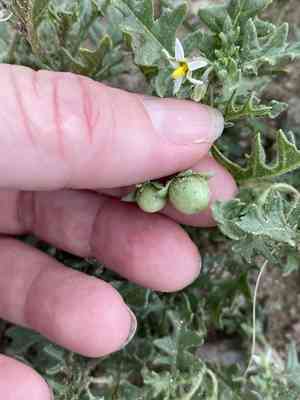
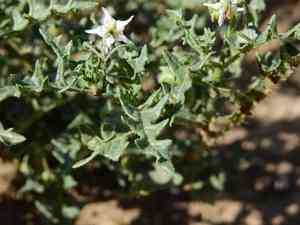
Cutleaf nightshade is a distinctive plant with its hairy appearance. When its small, white flowers, about a centimeter in width, fully bloom, they reveal a hint of purple. These blossoms stand out on the plant, which typically grows up to 76 cm tall.
In This Article
Attributes of Cutleaf nightshade
Lifespan
Annual
Plant Type
Herb
Plant Height
10-60 cm
Spread
N/A
Leaf Color
Green
Flower Size
0.5-1 cm
Flower Color
White to pale purple
Images of Cutleaf nightshade
Quickly Identify Cutleaf nightshade
1
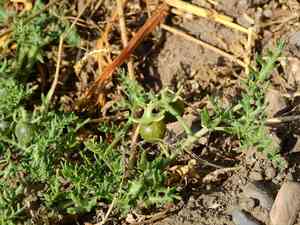
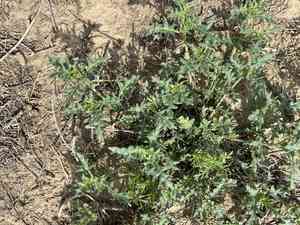
Solanum triflorum can be identified by its deeply lobed leaves, small white to pale purple flowers that usually appear in clusters of three, and small green to yellow or orange berry fruits.
Scientific Classification of Cutleaf nightshade
Phylum
Vascular plants
Class
Dicotyledons
Order
Solanales
Family
Nightshade
Genus
Nightshades
Species
Cutleaf nightshade
Planting and Growing of Cutleaf nightshade
Care Difficulty
Easy
Watering Schedule
Every 3 days
Sunlight Requirements
Full sun
Sunshine Duration
4-6 hours
Ideal Temperature
60-75℉
Soil Type
Potting Mix, Peat Mix
Soil pH
6.5-7.5
Fertilizer Type
Balanced
Pruning Season
Spring, Summer
Pruning Area
Branches, Leaves
Pruning Frequency
2 times a year
Repotting Season
Spring
Pot Type
Plastic, Ceramic
 How to Water Cutleaf nightshade?
For Solanum triflorum, the watering amount should ensure the soil is evenly moist but never soggy. Aim for about 150ml of water per session, making sure it seeps into the soil to reach the roots. The goal is to keep the plant hydrated while allowing the soil to slightly dry out between waterings.
What are the symptoms of an underwatered Cutleaf nightshade?
›
What should I do if my Cutleaf nightshade is not getting enough water?
›
What are the symptoms of an overwatered Cutleaf nightshade?
›
How to save an overwatered Cutleaf nightshade?
›
 What Are the Sunlight Requirements for Cutleaf nightshade?
Full sun exposure, ideally 6-8 hours a day, facilitates vigorous photosynthesis. This encourages healthy foliage, vibrant blooms, and helps the plant develop a natural resistance to environmental stressors.
More About Sunlight Requirements Techniques→
How much sunlight is optimal?
›
How to ensure ideal lighting?
›
What benefits does proper sun exposure provide?
›
 What Is the Ideal Temperature Range for Cutleaf nightshade?
The ideal temperature range for Solanum triflorum is between 60°F and 75°F. Maintaining this temperature range ensures optimal growth and vitality. At these temperatures, the plant's metabolic processes, such as photosynthesis and respiration, are at peak efficiency, promoting healthy foliage and fruit production. Consistent temperatures within this range create a stable environment that fosters robust root and stem development, critical factors for overall plant health.
 What Soil is Best for Cutleaf nightshade?
Solanum triflorum thrives in well-drained soil which prevents waterlogging, thereby reducing the risk of root rot and promoting healthy root development. The plant benefits from a substrate rich in organic matter, promoting vigorous growth and enhancing the soil's microbial activity, which is crucial for nutrient uptake. While Solanum triflorum doesn’t need excessively moist soil, maintaining moderate moisture levels ensures that the plant remains hydrated without drowning the roots.
 How to Fertilize Cutleaf nightshade?
For Solanum triflorum, it is advisable to apply a balanced fertilizer with an NPK ratio of 10-10-10. Use half a teaspoon per gallon of water, as doing so ensures the nutrients are available without overwhelming the plant.
 How to Prune Cutleaf nightshade?
Begin by identifying any dead or diseased stems and removing them at their base. Next, trim back any overly long branches to maintain a compact shape, making clean cuts just above a node or bud. To encourage bushier growth, pinch back the tips of the branches. This will stimulate the plant to produce side shoots, resulting in a fuller appearance.
More About Pruning Techniques→
 How to Propagate Cutleaf nightshade plant?
1
Collect seeds from the fully ripened fruits of Solanum triflorum. Ensure that the fruits are mature to guarantee viable seeds for propagation.
2
Sow the seeds on the surface of the seed tray filled with potting soil. Cover lightly with a thin layer of soil and water gently to avoid displacing the seeds.
3
Cover the seed tray with plastic wrap or a dome lid to maintain high humidity, which is crucial for seed germination. Place the tray in a warm, well-lit location.
 How to Repot Cutleaf nightshade plant?
1
Solanum triflorum should be repotted when you notice its roots start spiraling around the pot's interior, or if growth appears stunted despite adequate care. Also, if you see water not draining well or soil compacting, it's time to change the pot.
2
Select a pot just one size larger than the current one to avoid waterlogging and root rot, ensuring it has drainage holes. This helps maintain healthy root growth by allowing excess water to escape, preventing root disease.
3
Opt for a well-draining potting mix specifically designed for solanums. This mixture allows air to reach the roots while retaining the right amount of moisture, promoting vibrant growth and preventing root rot.
Toxicity
Ingestion
WARNING
The judgment on toxicity and danger is for reference only. We DO NOT GUARANTEE any accuracy of such judgment. Therefore, you SHALL NOT rely on such judgment. It is IMPORTANT TO SEEK PROFESSIONAL ADVICE in advance when necessary.
Learn More About Cutleaf nightshade Diseases
Anthracnose
Bacterial Leaf Spot
Bacterial Soft Rot
Bacterial Wilt
Damping-off
Downy Mildew
Drought Stress
Fusarium Wilt
Gray Mold
Late Blight
Leaf Curl
Leaf Spot
Mosaic
Nutrient Deficiency
Nutrient Toxicity
Powdery Mildew
Root Rot
Root-knot Nematode
Rusts
Sooty Mold
Spider Mites
Temperature Stress
Thrips Damage
White Mold
Chemical Injury



