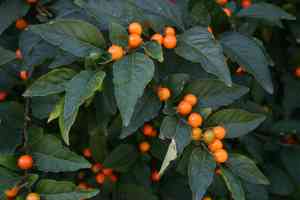
Jerusalem cherry(Solanum pseudocapsicum)

Jerusalem cherry (Solanum pseudocapsicum)

Also known as: Winter cherry

The Jerusalem cherry (Solanum pseudocapsicum), also referred to as "Christmas Cherry" or "Winter Cherry," gets its name from its cherry-like, though toxic, berries. Despite its name, the plant is not native to Israel. It was named "Jerusalem cherry" after being found growing there, though its true origin is in South America.

Attributes of Jerusalem cherry

Lifespan
Perennial
Plant Type
Shrub
Plant Height
1 m to 2 m
Spread
35 cm
Leaf Color
Green
Flower Size
8 mm to 1.5 cm
Flower Color
White

PlantJoy - Identify plants with a snap

Identify and diagnose plants, get toxicity alerts, and explore safety guides for all types of fungi.

Try for Free

Images of Jerusalem cherry

Jerusalem cherry(Solanum pseudocapsicum)

Quickly Identify Jerusalem cherry

1
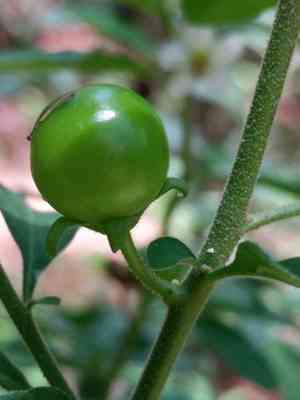
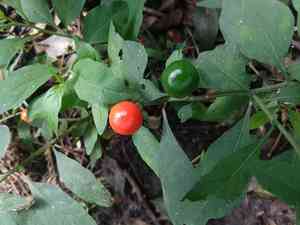
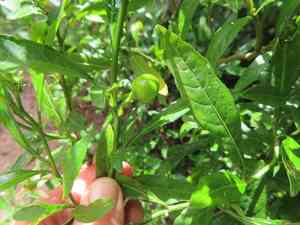
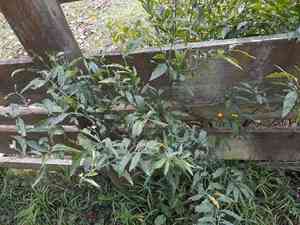
Dark green elliptical leaves with undulating edges, 1-3 inches long.
2
Clusters of tiny white or light purple star-shaped flowers in summer.
3
Vibrant oval berry-like fruits in red, orange, or yellow hues, 0.5-0.75 inches long.
4
Wiry and multi-branched stems, smooth or sparsely hairy, 0.1-0.2 inches diameter.
5
Distinctive glossy leaves, simple or hairy, 1-6 cm long and 0.5-1.5 cm wide.

Scientific Classification of Jerusalem cherry

Phylum
Vascular plants
Class
Dicotyledons
Order
Nightshades, bindweeds, gooseweeds, and allies
Family
Nightshade
Genus
Nightshades
Species
Jerusalem cherry

Planting and Growing of Jerusalem cherry

Care Difficulty
Easy
Watering Schedule
Every 3 days
Sunlight Requirements
Full sun
Sunshine Duration
6-10 hours
Ideal Temperature
65-75℉
Soil Type
Potting Mix, Peat Mix
Soil pH
6.5-7.5
Fertilizer Type
Balanced
Pruning Season
Spring, Summer
Pruning Area
Branches, Leaves
Pruning Frequency
2 times a year
Repotting Season
Spring
Pot Type
Plastic, Ceramic

water icon How to Water Jerusalem cherry?

For Solanum pseudocapsicum, the watering principle is to keep the soil consistently moist but not waterlogged. Watering 150ml per session is generally sufficient, ensuring that the soil gets wet but excess water doesn't accumulate at the bottom of the pot.
What are the symptoms of an underwatered Jerusalem cherry?
What should I do if my Jerusalem cherry is not getting enough water?
What are the symptoms of an overwatered Jerusalem cherry?
How to save an overwatered Jerusalem cherry?
More About Watering Techniques

sunlight icon What Are the Sunlight Requirements for Jerusalem cherry?

Sunlight Requirements: Full sun, Partial sun
Duration of light: 4 to 6 hours
Solanum pseudocapsicum thrives in full to partial sunlight (4 to 6 hours daily). Ideal lighting encourages robust growth and vibrant fruit production, allowing the plant to maximize its photosynthetic potential.
What type of sunlight does Solanum pseudocapsicum prefer?
What are the solutions for achieving ideal lighting for Solanum pseudocapsicum?
What are the benefits of providing ideal lighting conditions for Solanum pseudocapsicum?
More About Sunlight Requirements Techniques

temperature icon What Is the Ideal Temperature Range for Jerusalem cherry?

Ideal Temperature: 65 ~ 75℉
For optimal growth, Solanum pseudocapsicum thrives best in a temperature range between 65°F and 75°F. This range supports healthy metabolic activities and encourages lush foliage and fruit production. Maintaining consistent temperatures within this range helps to avoid plant stress and maximizes plant health.

soil icon What Soil is Best for Jerusalem cherry?

Soil type: Loam, Sandy loam
Soil PH: 6.5 ~ 7.5
Solanum pseudocapsicum thrives in well-draining soil to prevent root rot and ensure healthy growth. Ensuring good drainage helps this plant maintain the right moisture balance. This plant benefits from nutrient-rich soil to support its lush foliage and vibrant fruiting. Amending the soil with compost or organic matter can enhance its nutrient profile. The plant requires soil with moderate moisture retention to keep the roots hydrated without causing waterlogging. This helps maintain the plant's vigor and overall health. More About Soil

fertilize icon How to Fertilize Jerusalem cherry?

Fertilizer type: Balanced
Solanum pseudocapsicum benefits from moderate fertilization. Use a balanced liquid fertilizer, like 10-10-10, diluted at half strength, applying about 100 ml per plant. For slow-release fertilizers, use approximately 50 grams per plant, ensuring even distribution around the base. More About Fertilizing Techniques

prune icon How to Prune Jerusalem cherry?

Pruning Time: Spring, Summer, Autumn
Begin by inspecting your Solanum pseudocapsicum for any dead, diseased, or damaged branches and remove them using clean, sharp pruning shears. Identify areas where the growth seems dense and selectively thin the branches to improve light penetration and air circulation. Focus on promoting a harmonious shape and remove any errant or overly long stems to maintain a compact form.

propagate icon How to Propagate Jerusalem cherry plant?

Propagate Time: Spring, Early spring
1
Select fresh, viable seeds of Solanum pseudocapsicum for better germination rates. Look for seeds that are plump and free from any visible signs of damage or disease.
2
When taking cuttings, choose healthy stems that are not flowering. Use a clean, sharp knife or scissors to take cuttings 4-6 inches long, ensuring they have at least two leaf nodes.
3
Place seeds on a seed tray filled with seed-starting mix, or insert cuttings into a pot with moist soil. Cover seeds lightly with soil, and place the tray or pot in a warm, well-lit location.
More About Propagating Techniques

repot icon How to Repot Jerusalem cherry plant?

Repotting frequency: Every 2-3 years
1
Repot Solanum pseudocapsicum when you notice the roots beginning to emerge from the drainage holes, or if the plant seems visually constrained, as this indicates that it has outgrown its current pot. The optimal time to repot is during the growing seasons of spring or early summer, ensuring the plant can recover swiftly.
2
Choose a pot slightly larger than the current one with good drainage holes to prevent water stagnation. A pot that is too large will retain excess water, which can be detrimental to the roots, whereas a well-sized pot allows the plant to establish more robustly and encourages healthy growth.
3
Opt for a well-draining loamy soil mix, which balances moisture retention with aeration. This ideal mix helps prevent root rot while ensuring the roots receive adequate nutrients and stability, fostering vigorous growth and vibrant health in your plant.
More About Repotting Techniques

PlantJoy - Identify plants with a snap

Find the best spots for them to optimize their health, simply using your phone.

Try for Free

Toxicity of Jerusalem cherry

Is Jerusalem cherry toxic to humans?

Ingestion of fruits or leaves from the Jerusalem cherry plant is the most common cause of poisoning, typically occurring accidentally. These components of the plant contain toxic alkaloids such as solanine and solanocapsine, which can lead to varying degrees of illness upon consumption. Symptoms of such poisoning may manifest as nausea, vomiting, excessive salivation, drowsiness, abdominal discomfort, weakness, digestive disturbances, gastrointestinal tract ulceration, seizures, respiratory decline, and even shock. The Jerusalem cherry is primarily found as a decorative houseplant. Due to its vivid berries, children may be particularly at risk for poisoning if this plant is present in their home or garden.

Is Jerusalem cherry toxic to cat?

The Jerusalem cherry (Solanum pseudocapsicum) poses significant health risks to cats; therefore, it is crucial to keep this plant out of their reach. Symptoms may vary from slight drooling and stomach ulcers to severe physical shock, all of which require serious attention. If you believe your cat has ingested or interacted with this plant, it is vital to contact your veterinarian for guidance and treatment options to avert further health issues.

Is Jerusalem cherry toxic to dog?

Jerusalem cherry plants pose a moderate to severe toxic risk to dogs; if you suspect that your dog has consumed any part of this plant, it is crucial to consult a veterinarian. Although the leaves have some toxicity, the small fruits present the greatest danger and are more frequently consumed by dogs. In milder instances, ingestion may lead to basic gastrointestinal upset, typically featuring diarrhea, vomiting, and/or notable lethargy. In more severe cases, symptoms may escalate to difficulty in breathing, seizures, and a complete failure of the circulatory or respiratory systems.

Identify toxic plants for your safety

Learn which plants are harmful to you and your pets, and make informed choices for a safer home!

Try for Free
WARNING
The judgment on toxicity and danger is for reference only. We DO NOT GUARANTEE any accuracy of such judgment. Therefore, you SHALL NOT rely on such judgment. It is IMPORTANT TO SEEK PROFESSIONAL ADVICE in advance when necessary.
More About Toxic Techniques