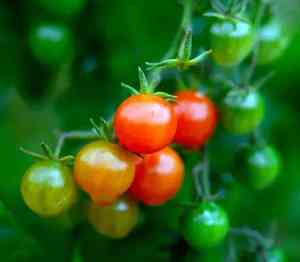
Currant tomato (Solanum pimpinellifolium)
Also known as: Currant Tomato, Wild Tomato
The species you're looking for is Solanum pimpinellifolium, known for its tiny, edible fruits and often cultivated in gardens as an heirloom variety. Despite being considered wild, its genome has recently been sequenced.
In This Article
Attributes of Currant tomato
Lifespan
Annual, Perennial
Plant Type
Herb
Plant Height
1-2 meters (3-6.5 feet)
Spread
Approx. 1 meter (3 feet)
Leaf Color
Green
Flower Size
0.5-1 centimeter
Flower Color
Yellow
Images of Currant tomato
Quickly Identify Currant tomato
1
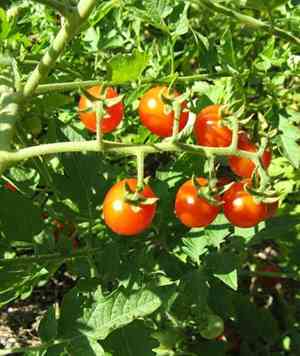
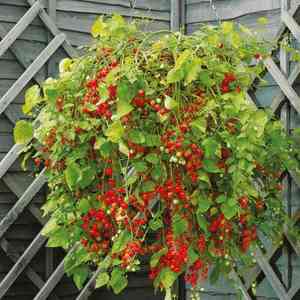
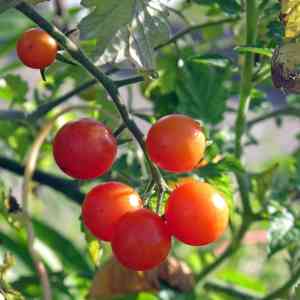
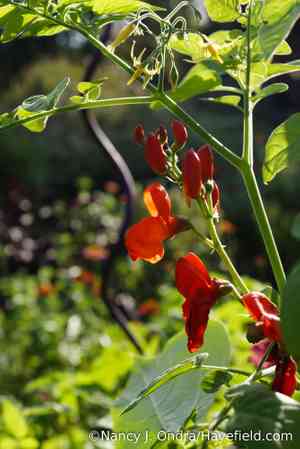
The plant is identified by its small, cherry-like fruits and its sprawling growth habit. The leaves are pinnate with a complex structure, and the flowers are yellow. The fruits are notably smaller than typical cultivated tomatoes.
Scientific Classification of Currant tomato
Phylum
Vascular plants
Class
Dicotyledons
Order
Solanales
Family
Nightshade
Genus
Nightshades
Species
Currant tomato
Planting and Growing of Currant tomato
Care Difficulty
Easy
Watering Schedule
Every 8 days
Sunlight Requirements
Full sun
Sunshine Duration
6-12 hours
Ideal Temperature
65-85℉
Soil Type
Potting Mix, Peat Mix
Soil pH
5.5-7.5
Fertilizer Type
Balanced
Pruning Season
Spring, Summer
Pruning Area
Branches, Leaves
Pruning Frequency
2 times a year
Repotting Season
Spring
Pot Type
Plastic, Ceramic
 How to Water Currant tomato?
Solanum pimpinellifolium requires careful watering, adhering to the principle of moist but not soggy soil. Water until you see it draining from the bottom of the pot to ensure roots are hydrated.
What are the symptoms of an underwatered Currant tomato?
›
What should I do if my Currant tomato is not getting enough water?
›
What are the symptoms of an overwatered Currant tomato?
›
How to save an overwatered Currant tomato?
›
 What Are the Sunlight Requirements for Currant tomato?
Partial to full sunlight is ideal for Solanum pimpinellifolium. Providing 6 to 8 hours of direct exposure is optimal to ensure the plant develops properly, producing ample fruits and healthy foliage, which is crucial for yield and flavor.
What is the best sunlight exposure for Solanum pimpinellifolium?
›
How to achieve ideal lighting for Solanum pimpinellifolium?
›
What are the benefits of providing ideal lighting to Solanum pimpinellifolium?
›
 What Is the Ideal Temperature Range for Currant tomato?
For Solanum pimpinellifolium to thrive, its ideal temperature range is between 65°F and 85°F. This warm range helps to optimize photosynthesis and growth, ensuring that the plant receives enough energy to produce fruit and maintain healthy foliage. Such a range closely mimics the plant’s native habitat, providing similar environmental conditions that support its natural growth cycle.
 What Soil is Best for Currant tomato?
For Solanum pimpinellifolium, well-drained soil is essential to prevent root rot and other moisture-related diseases. Efficient drainage allows the roots to access adequate water and air, promoting healthy growth and preventing suffocation. This plant thrives in soil that is rich in organic matter, which provides essential nutrients for vigorous growth and optimal fruit production. Rich soil helps in achieving lush foliage and a generous yield of flavorful tomatoes. Proper soil aeration facilitates root development and microbial activity, crucial for nutrient breakdown. Aerated soil ensures that roots are well-oxygenated, enhancing the plant's overall health and resistance to stress.
 How to Fertilize Currant tomato?
For Solanum pimpinellifolium, use half the recommended amount of a balanced 10-10-10 liquid fertilizer every two weeks during the growing season. Avoid overfertilization by carefully measuring the fertilizer, using approximately 1 tablespoon per gallon of water.
 How to Prune Currant tomato?
Begin by observing the plant and identifying any dead, damaged, or diseased branches, as these should be removed first. Trim back any overly long, leggy branches that might be affecting the plant's shape. Prunning should be done with clean, sharp tools to ensure smooth cuts and reduce the risk of infection. Cut back branches that cross over each other to open up the center of the plant, enhancing airflow. Focus on removing any suckers that grow from the base to encourage the plant to direct its energy towards fruit-bearing branches. Aim to create an even, open silhouette that allows sunlight to reach all parts of the plant.
More About Pruning Techniques→
 How to Propagate Currant tomato plant?
1
Collect ripe seeds from a healthy Solanum pimpinellifolium plant. Soak them overnight to improve germination rates and then sow them in a seed tray filled with potting soil.
2
Choose a healthy stem and cut a 4-6 inch section just below a leaf node. Remove the lower leaves and dip the cut end in rooting hormone to promote root development.
3
Insert the cut end of the cutting into a pot of moist, well-draining soil and firm the soil around it. Cover the cutting with a plastic bag to maintain humidity until roots develop.
 How to Repot Currant tomato plant?
1
Solanum pimpinellifolium, also known as the currant tomato, should be repotted when you notice signs of being rootbound, such as roots growing out of the drainage holes, decreased growth, or reduced fruit production. The best time to perform this task is in spring or early summer when the plant is actively growing.
2
When selecting a new pot for your Solanum pimpinellifolium, pick one that is 1-2 inches wider in diameter than the current pot. This provides ample space for root growth without overwhelming the plant. Ensure the pot has adequate drainage to prevent waterlogging, which can lead to root rot.
3
Opt for a rich, well-draining, and organic potting mix. These characteristics ensure that the plant's roots receive the necessary nutrients while maintaining optimal moisture levels. A well-draining soil prevents water from pooling at the roots, reducing the risk of fungal diseases.
Learn More About Currant tomato Diseases
Anthracnose
Bacterial Leaf Spot
Bacterial Soft Rot
Bacterial Wilt
Chemical Injury
Damping-off
Downy Mildew
Drought Stress
Fusarium Wilt
Gray Mold
Late Blight
Leaf Curl
Leaf Spot
Mosaic
Nutrient Deficiency
Nutrient Toxicity
Powdery Mildew
Root Rot
Root-knot Nematode
Sooty Mold
Spider Mites
Temperature Stress
Thrips Damage
White Mold



