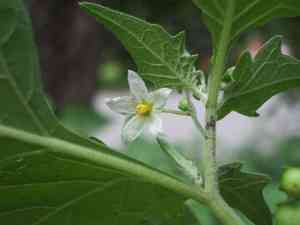
Black nightshade (Solanum nigrum)
Also known as: Garden nightshade, Blackberry nightshade
When dealing with black nightshade (Solanum nigrum), it's crucial to exercise caution due to its toxic nature. Though some claim that fully ripe and properly prepared fruits may be safe to eat, the risk is significant enough to warrant avoiding consumption altogether. Here are some key precautions:
1. **Do Not Eat**: Avoid ingesting any part of the plant, as it poses serious health risks.
2. **Use Protective Gear**: Wear gloves when handling the plant to prevent skin irritation.
3. **Protect Vulnerable Groups**: Keep children and pets away from the plant to avoid accidental poisoning.
4. **Ensure Accurate Identification**: Be confident in identifying the plant to prevent mistaking it for a harmless or edible species.
5. **Clean Thoroughly**: Wash hands and any tools used after contact with the plant.
Always err on the side of caution and consult experts if unsure about the plant's safety.
Attributes of Black nightshade
Images of Black nightshade

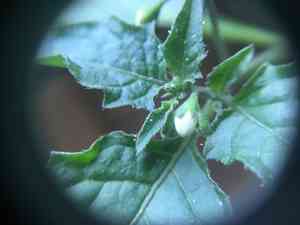
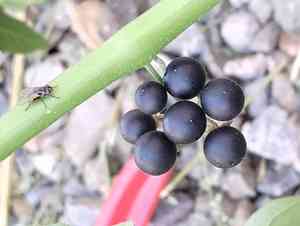
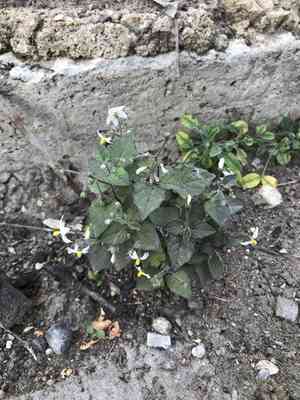
Quickly Identify Black nightshade
Scientific Classification of Black nightshade
Planting and Growing of Black nightshade
 How to Water Black nightshade?
 What Are the Sunlight Requirements for Black nightshade?
 What Is the Ideal Temperature Range for Black nightshade?
 What Soil is Best for Black nightshade?
 How to Fertilize Black nightshade?
 How to Prune Black nightshade?
 How to Propagate Black nightshade plant?
 How to Repot Black nightshade plant?
Toxicity of Black nightshade
Is Black nightshade toxic to humans?
Black nightshade is indeed toxic, but instances of lethal outcomes from consuming this plant are uncommon. Typically, it induces mild gastrointestinal disturbances including abdominal discomfort, vomiting, and diarrhea. The unripe berries possess the highest levels of toxins; several fatalities in children who have ingested them have been documented. Symptoms can manifest 6-12 hours post-ingestion, potentially leading to fever, excessive sweating, gastrointestinal problems, confusion, and drowsiness. The degree of toxicity in black nightshade may fluctuate based on its growing conditions and the specific cultivar.
Is Black nightshade toxic to cat?
Highly toxic to felines, the consequences of consuming black nightshade (Solanum nigrum) might not manifest until six to twelve hours post-ingestion. The symptoms can vary from lethargy to convulsions to paralysis. Every part of the plant is poisonous, with unripe berries being particularly hazardous. Prompt veterinary intervention is crucial to avert fatality and should be pursued without delay.
Is Black nightshade toxic to dog?
Black nightshade is highly poisonous and can prove fatal to dogs if consumed in significant amounts. Every part of the plant contains toxins, but its berries—particularly when unripe—harbor the highest levels of these harmful substances. Symptoms of black nightshade poisoning can vary widely, potentially leading to excessive drooling, diarrhea, vomiting, dilated pupils, confusion, weakness, and respiratory distress. If you believe your dog has eaten this plant, it is crucial to reach out to a veterinarian without delay.



