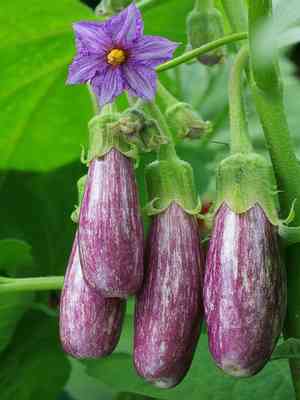
Eggplant(Solanum melongena)

Eggplant (Solanum melongena)

Also known as: Asian Eggplant, Thai Eggplant, Aubergine, Berendjena

Eggplant (*Solanum melongena*), a species related to nightshade, originates from India. It is cultivated globally for its edible purple fruit, which is a key ingredient in many Eastern dishes. Known for its spongy texture, this plant is referred to as "brinjal" in South Africa and Asia, and "aubergine" in the UK.

Attributes of Eggplant

Lifespan
Perennial, Annual
Plant Type
Herb
Plant Height
1 m
Spread
30 cm
Leaf Color
Green
Flower Size
3 cm to 4 cm
Flower Color
Purple White

PlantJoy - Identify plants with a snap

Identify and diagnose plants, get toxicity alerts, and explore safety guides for all types of fungi.

Try for Free

Images of Eggplant

Eggplant(Solanum melongena)

Quickly Identify Eggplant

1
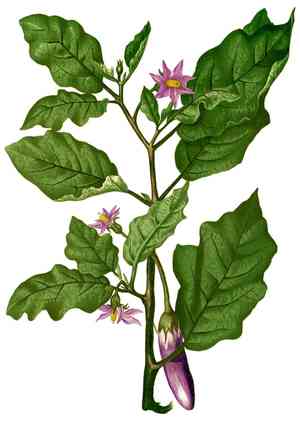
Star-shaped hairs on leaves and stems
2
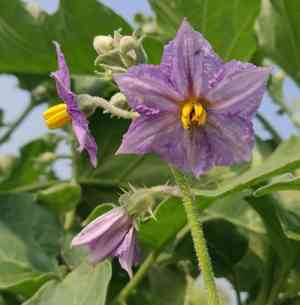
Vibrant purple, star-shaped flowers with yellow center
3
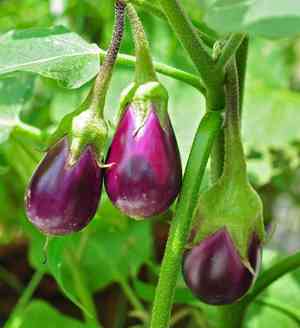
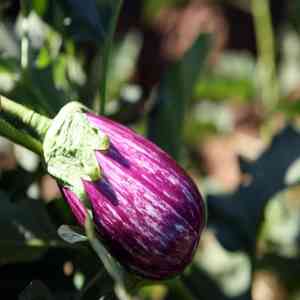
Egg-shaped, glossy fruit reaching 4-8 inches
4
Leaves ovate to oblong, with sinuate lobes
5
Robust, bushy herb with woody, branching stems

Scientific Classification of Eggplant

Phylum
Vascular plants
Class
Dicotyledons
Order
Nightshades, bindweeds, gooseweeds, and allies
Family
Nightshade
Genus
Nightshades
Species
Eggplant

Planting and Growing of Eggplant

Care Difficulty
Easy
Watering Schedule
Every 8 days
Sunlight Requirements
Full sun
Sunshine Duration
4-8 hours
Ideal Temperature
75-85℉
Soil Type
Potting Mix, Peat Mix
Soil pH
6.5-7.5
Fertilizer Type
Balanced
Pruning Season
Spring, Summer
Pruning Area
Branches, Leaves
Pruning Frequency
2 times a year
Repotting Season
Spring
Pot Type
Plastic, Ceramic

water icon How to Water Eggplant?

For Solanum melongena, it is essential to water thoroughly but not excessively. The soil should be kept consistently moist but not waterlogged. A standard practice is to water until about 500ml of water drains from the bottom of the pot, ensuring that the roots have adequate moisture without drowning.
What are the symptoms of an underwatered Eggplant?
What should I do if my Eggplant is not getting enough water?
What are the symptoms of an overwatered Eggplant?
How to save an overwatered Eggplant?
More About Watering Techniques

sunlight icon What Are the Sunlight Requirements for Eggplant?

Sunlight Requirements: Full sun
Duration of light: 6 to 8 hours
Solanum melongena prefers a full sun exposure, ideally receiving 6 to 8 hours of direct sunlight daily. Optimal lighting ensures vigorous growth, healthy leaves, and an increase in the quality and quantity of fruit production.
What type of sunlight does it prefer?
How can I optimize its light exposure?
What benefits can ideal lighting provide?
More About Sunlight Requirements Techniques

temperature icon What Is the Ideal Temperature Range for Eggplant?

Ideal Temperature: 75 ~ 85℉
For optimal growth of Solanum melongena, maintaining a temperature range between 75°F and 85°F is crucial. This range ensures that the plant's metabolic processes occur efficiently, promoting robust vegetative growth and abundant fruiting. Consistent temperatures within this range help minimize stress to the plant, reducing the likelihood of diseases and pests.

soil icon What Soil is Best for Eggplant?

Soil type: Loam, Sandy loam
Soil PH: 6.5 ~ 7.5
Eggplants thrive best in well-drained loam soil, which provides the right balance of moisture and nutrients. This type of soil allows for optimal root growth, ensuring the plant receives the right amount of oxygen and water. Rich nutrients in the soil, especially those high in organic matter, enhance eggplant growth. This ensures the plant has sufficient elements necessary for healthy leaf and fruit development, leading to better yield. Eggplants prefer warmer soil, which accelerates germination and encourages swift plant establishment. It is beneficial for growth, as these conditions mimic their native climates. More About Soil

fertilize icon How to Fertilize Eggplant?

Fertilizer type: Balanced
The Solanum melongena, commonly known as eggplant, requires a balanced amount of fertilizers to thrive. Typically, when using liquid fertilizers, dilute them to half the recommended strength for young plants and full strength as they mature. In case of granular fertilizers, apply approximately 50 grams per square meter. Always follow product instructions for best results. More About Fertilizing Techniques

prune icon How to Prune Eggplant?

Pruning Time: Spring, Summer
Begin pruning your Solanum melongena by identifying any dead or diseased branches. Use sharp, clean pruning shears to make clean cuts. Next, focus on removing any branches that are crossing or growing inward to allow sunlight to reach all parts of the plant. This encourages better airflow and reduces the likelihood of disease. To promote healthier growth in your eggplant, trim back any suckers that appear at the base of the main stem. These can sap energy from the primary fruit-producing branches. Additionally, consider topping the plant to prevent it from getting too tall and gangly, which helps in producing more robust fruit. More About Pruning Techniques

propagate icon How to Propagate Eggplant plant?

Propagate Time: Spring, Early summer
1
Soak the seeds of Solanum melongena in warm water for 24 hours before sowing. This helps soften the seed coat and encourages faster germination. After soaking, plant the seeds in a tray filled with seed-starting mix, covering them lightly with soil.
2
Select healthy, disease-free branches and cut them into pieces 4-6 inches long. Each cutting should include at least two nodes. Remove any flowers or fruit from the cuttings to focus energy on root development. Plant the cuttings in a moist rooting medium.
3
Select a healthy, disease-resistant rootstock to graft the eggplant scion onto. Make a slanting cut on both the rootstock and scion, then join them together securely using grafting tape. Proper alignment is crucial to ensure successful grafting.
More About Propagating Techniques

repot icon How to Repot Eggplant plant?

Repotting frequency: Every 1-2 years
1
The right time to repot Solanum melongena is when you notice its roots are circling the bottom of the pot, or when the plant becomes root-bound, which often manifests as slowed growth. Ideally, it's best to repot during its active growing seasons, spring or summer, when the plant can quickly adapt to the new environment.
2
Select a pot that is one or two sizes larger than the current one. This allows enough room for root growth without overwhelming the plant with excess soil, which can retain more water than needed. A pot with proper drainage holes ensures water doesn't stagnate, averting risks of root rot.
3
Opt for a rich, well-draining loamy soil. This type of soil provides essential nutrients and proper aeration, directing the roots to expand efficiently. Good drainage prevents waterlogging, reducing chances of fungal issues, while rich soil gives the nutrients needed for vigorous growth.
More About Repotting Techniques

PlantJoy - Identify plants with a snap

Find the best spots for them to optimize their health, simply using your phone.

Try for Free

Toxicity of Eggplant

Is Eggplant toxic to humans?

While many individuals can consume eggplant fruits without issues, the plant's leaves and tubers harbor significant amounts of the toxic alkaloid solanine. Symptoms of solanine exposure may include nausea, vomiting, a burning sensation in the throat, and potentially life-threatening arrhythmia. Although the fruit itself contains a minor quantity of solanine, it poses no health risks unless ingested in large quantities. Moreover, the fruit is also rich in nasunin, which disrupts iron absorption, and oxalates, which may lead to kidney stones. Furthermore, some individuals may experience an allergic reaction to eggplant fruits, resulting in digestive discomfort, hives, respiratory difficulties, and even the risk of anaphylactic shock. Anyone experiencing any of these reactions after consuming eggplant fruit should eliminate it from their diet. If you choose to cultivate this plant, ensure it is kept fenced away from small children at all times.

Is Eggplant toxic to cat?

Eggplant exhibits a moderate level of toxicity for felines. Should a cat consume any part of the plant, particularly the stems, leaves, or unripe fruit, it may experience poisoning. The primary route of poisoning in cats is by ingesting these plant parts. After consumption, a cat can display signs of physical distress, making immediate veterinary attention essential. Pet owners must be watchful to limit their cats' access to the plant and mitigate the risk of poisoning.

Is Eggplant toxic to dog?

Eggplant is considered moderately toxic to dogs. Canines can be adversely affected by this plant if they consume any of its parts, particularly the stems, leaves, or underdeveloped fruit. Should a dog ingest these portions of eggplant, it may show symptoms such as gastrointestinal distress, vomiting, diarrhea, lethargy, or abdominal discomfort. It is essential for dog owners to closely supervise their pets and restrict access to eggplant, particularly the toxic components. If a dog does ingest any part of the eggplant, it is essential to seek prompt veterinary assistance to provide appropriate treatment and manage any risks of poisoning.

Identify toxic plants for your safety

Learn which plants are harmful to you and your pets, and make informed choices for a safer home!

Try for Free
WARNING
The judgment on toxicity and danger is for reference only. We DO NOT GUARANTEE any accuracy of such judgment. Therefore, you SHALL NOT rely on such judgment. It is IMPORTANT TO SEEK PROFESSIONAL ADVICE in advance when necessary.
More About Toxic Techniques