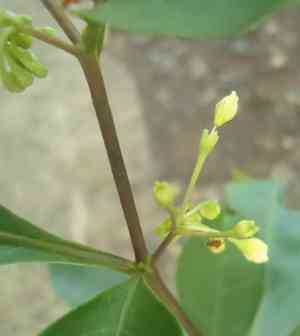
Twoleaf nightshade(Solanum diphyllum)

Twoleaf nightshade (Solanum diphyllum)

Also known as: Twin-leaf Nightshade, Two-leaved Nightshade

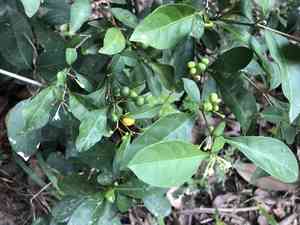
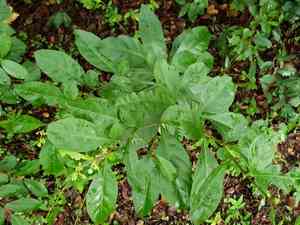
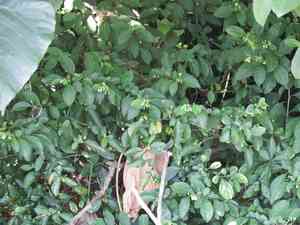
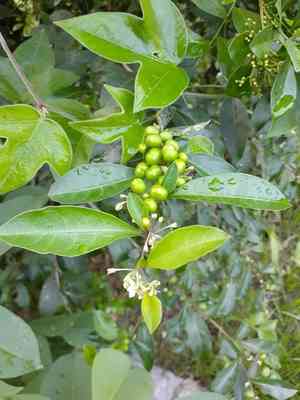
The Twoleaf Nightshade is a well-known garden plant recognized for its striking yellow berries, instead of its flowers. Its name comes from the fact that its leaves emerge in pairs from a single bud. However, it's important to note that this plant is toxic to humans.

Attributes of Twoleaf nightshade

Lifespan
Perennial
Plant Type
Shrub
Plant Height
1 m to 2 m
Spread
90 cm to 1.2 m
Leaf Color
Green
Flower Size
1 cm
Flower Color
White

ForwardPlant - Identify plants with a snap

Identify and diagnose plants, get toxicity alerts, and explore safety guides for all types of fungi.

Try for Free

Images of Twoleaf nightshade

Twoleaf nightshade(Solanum diphyllum)

Quickly Identify Twoleaf nightshade

1
Key identification features include its paired leaves, yellow to orange berries, and small white to purple flowers. The leaves are typically arranged in pairs, giving the plant its name.

Scientific Classification of Twoleaf nightshade

Phylum
Vascular plants
Class
Dicotyledons
Order
Solanales
Family
Nightshade
Genus
Nightshades
Species
Twoleaf nightshade

Planting and Growing of Twoleaf nightshade

Care Difficulty
Easy
Watering Schedule
Every 2 days
Sunlight Requirements
Partial sun
Sunshine Duration
4-8 hours
Ideal Temperature
65-75℉
Soil Type
Potting Mix, Peat Mix
Soil pH
6.5-7.5
Fertilizer Type
Balanced
Pruning Season
Spring, Summer
Pruning Area
Branches, Leaves
Pruning Frequency
2 times a year
Repotting Season
Spring
Pot Type
Plastic, Ceramic

water icon How to Water Twoleaf nightshade?

Solanum diphyllum enjoys moderate watering. It's best to water them thoroughly until you see water draining out of the bottom of the pot, ensuring that the soil is evenly moist but not waterlogged. This amount typically translates to about 300 ml per watering, depending on the pot's size.
What are the symptoms of an underwatered Twoleaf nightshade?
What should I do if my Twoleaf nightshade is not getting enough water?
What are the symptoms of an overwatered Twoleaf nightshade?
How to save an overwatered Twoleaf nightshade?

sunlight icon What Are the Sunlight Requirements for Twoleaf nightshade?

Sunlight Requirements: Partial sun
Duration of light: 4-6 hours daily
Partial sun exposure is crucial for Solanum diphyllum. Ideal light enables efficient photosynthesis, promoting lush growth and healthy fruit development.
What is the ideal lighting for Solanum diphyllum?
How can one achieve ideal lighting for Solanum diphyllum?
What benefits does ideal lighting provide to Solanum diphyllum?
More About Sunlight Requirements Techniques

temperature icon What Is the Ideal Temperature Range for Twoleaf nightshade?

Ideal Temperature: 65 ~ 75℉
The ideal temperature range for Solanum diphyllum is between 65°F to 75°F. Within this range, the plant can maintain optimal growth, ensuring that its foliage remains healthy and its flowering potential is maximized. Conditions within this range cater to the plant's natural habitat preferences, thus supporting its overall development.

soil icon What Soil is Best for Twoleaf nightshade?

Soil type: Loam, Sandy loam
Soil PH: 6.5 ~ 7.5
Solanum diphyllum thrives in well-drained soil, which prevents excess water retention, reducing risks of root rot and promoting healthy root growth. A soil rich in organic matter provides essential nutrients for Solanum diphyllum, supporting vigorous growth and robust flowering. Moderate soil moisture is crucial for this plant, as it balances hydration needs without causing waterlogged soil conditions that could harm the roots.

fertilize icon How to Fertilize Twoleaf nightshade?

Fertilizer type: Balanced
When fertilizing Solanum diphyllum, it's crucial to find a balanced approach. Typically, use a water-soluble fertilizer diluted to half strength during the growing season. Avoid over-fertilizing by keeping the concentration light to prevent root burn.

prune icon How to Prune Twoleaf nightshade?

Pruning Time: Spring, Summer, Autumn, Winter
Solanum diphyllum has a bushy growth habit, and identifying its natural shape will help you prune effectively. Focus on maintaining this shape by evenly trimming around the plant. Inspect the plant thoroughly to identify sections that need attention. 2. Begin by removing any diseased, dead, or damaged branches at the base. 3. Consider trimming back leggy, overextended shoots to encourage bushier growth. 4. Thin out dense areas to improve light penetration and airflow. More About Pruning Techniques

propagate icon How to Propagate Twoleaf nightshade plant?

Propagate Time: Spring,Early summer
1
Begin by selecting healthy seeds. Soak them in water for 24 hours to improve germination rates. This helps soften the seed coat and allows the seed to absorb moisture more efficiently.
2
Choose a healthy plant and snip a 4-6 inch stem from it. Remove the lower leaves and dip the cut end in rooting hormone to encourage root development.
3
For both seeds and cuttings, plant them in moist, well-draining potting mix. Ensure that seeds are planted at the recommended depth and that cuttings are inserted firmly into the soil.
More About Propagating Techniques

repot icon How to Repot Twoleaf nightshade plant?

Repotting frequency: Every 1-2 years
1
Solanum diphyllum should be repotted when you notice roots grow through the drainage holes, indicating it's outgrowing its current home. Additionally, if growth appears stunted or water drains too quickly, it's time for repotting.
2
Opt for a pot slightly larger than the current one, preferably with drainage holes to prevent waterlogging. A slightly bigger pot encourages root expansion and improves overall plant health.
3
Select a well-draining potting mix, ideally a mix of peat and perlite, to ensure adequate aeration and moisture balance. This promotes healthy root development and prevents root rot.

ForwardPlant - Identify plants with a snap

Find the best spots for them to optimize their health, simply using your phone.

Try for Free

Toxicity of Twoleaf nightshade

Is Twoleaf nightshade toxic to humans?

The twoleaf nightshade exhibits a moderate degree of toxicity for humans, primarily when ingested. Each component of the plant contains toxic glycosides, posing potential dangers if consumed. Upon ingestion, these glycosides can cause a variety of symptoms, including gastrointestinal upset, with signs such as nausea, vomiting, and diarrhea. Furthermore, individuals may encounter dizziness, headaches, and in more severe scenarios, respiratory complications. Given that these compounds are present throughout the entirety of the plant, any accidental consumption of twoleaf nightshade can lead to these detrimental health effects. It is crucial for people to recognize the associated risks and refrain from eating any portion of this plant to avert poisoning.

Is Twoleaf nightshade toxic to cat?

The Twoleaf nightshade, often simply known as Twoleaf nightshade, presents a moderate toxicity threat to cats. Felines may inadvertently consume parts of this plant, as the entire organism contains harmful elements. The presence of glycosides can result in toxicity for cats. Exposure to twoleaf nightshade may cause a cat to display signs of physical discomfort or illness. It is essential to remain attentive for any symptoms of distress in a cat that might have ingested parts of twoleaf nightshade and to quickly seek veterinary assistance at a veterinary hospital to safeguard the pet's health and well-being.

Is Twoleaf nightshade toxic to dog?

The twoleaf nightshade is a plant that poses moderate toxicity to dogs. Any part of this plant can be harmful if consumed by canines, as the entire twoleaf nightshade exhibits toxic properties. Typically, dogs accidentally ingest parts of the plant, leading to potential poisoning. After consuming twoleaf nightshade, dogs may display symptoms such as gastrointestinal distress, tiredness, or even more severe reactions based on the quantity ingested. The harmful compounds within twoleaf nightshade are classified as glycosides, which can negatively impact a dog's well-being. If you suspect that your dog has ingested twoleaf nightshade, it is essential to seek prompt veterinary attention to ensure appropriate treatment and management of any potential poisoning.

Identify toxic plants for your safety

Learn which plants are harmful to you and your pets, and make informed choices for a safer home!

Try for Free
WARNING
The judgment on toxicity and danger is for reference only. We DO NOT GUARANTEE any accuracy of such judgment. Therefore, you SHALL NOT rely on such judgment. It is IMPORTANT TO SEEK PROFESSIONAL ADVICE in advance when necessary.
More About Toxic Techniques