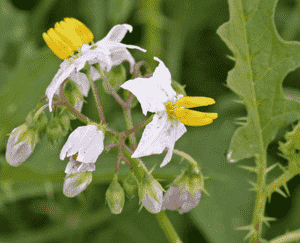
Carolina horsenettle (Solanum carolinense)
Also known as: Devil's tomato, Radical weed
Horse nettle (Solanum carolinense) is a perennial herb indigenous to the southeastern United States. Although it carries the name "nettle," it is actually a member of the nightshade family and not a true nettle. All parts of this plant are toxic.
Attributes of Carolina horsenettle
Images of Carolina horsenettle
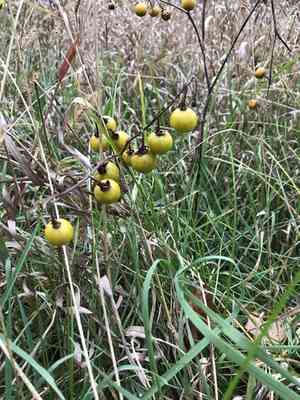
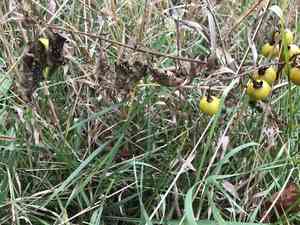
Quickly Identify Carolina horsenettle
Scientific Classification of Carolina horsenettle
Planting and Growing of Carolina horsenettle
 How to Water Carolina horsenettle?
 What Are the Sunlight Requirements for Carolina horsenettle?
 What Is the Ideal Temperature Range for Carolina horsenettle?
 What Soil is Best for Carolina horsenettle?
 How to Fertilize Carolina horsenettle?
 How to Prune Carolina horsenettle?
 How to Propagate Carolina horsenettle plant?
 How to Repot Carolina horsenettle plant?
Toxicity of Carolina horsenettle
Is Carolina horsenettle toxic to humans?
Carolina horsenettle is highly poisonous to humans if consumed. Every part of this plant contains toxic alkaloids, with the highest concentrations found in its fruits. Symptoms resulting from ingestion include fever, headaches, vomiting, diarrhea, abdominal discomfort, and in severe instances, respiratory failure and potentially death. In numerous regions, Carolina horsenettle is considered a troublesome invasive species – many individuals encounter this plant while attempting to eradicate it. Fortunately, instances of Carolina horsenettle ingestion in humans are exceedingly rare, as there are no edible look-alikes for this species. If you must handle or cut down Carolina horsenettle, it is essential to thoroughly wash your hands afterward to remove any plant debris and avoid accidentally ingesting harmful alkaloids.
Is Carolina horsenettle toxic to cat?
Carolina horsenettle is a harmful plant species that presents significant health hazards for cats. When a cat ingests any portion of carolina horsenettle, they can suffer physical distress because of its toxic characteristics. Cats might accidentally consume carolina horsenettle, resulting in poisoning symptoms that require urgent veterinary assistance. Although specific symptoms are not outlined, cat owners should remain attentive for any indications of illness and quickly seek care at a veterinary clinic to safeguard the well-being of their feline friends.
Is Carolina horsenettle toxic to dog?
Carolina horsenettle represents a toxic species for dogs, creating a serious health hazard upon ingestion. Dogs may inadvertently ingest various parts of this plant, resulting in poisoning. The entire structure of the plant, comprising leaves, stems, flowers, and berries, harbors toxic properties and should be kept securely away from pets. Following consumption, dogs may display symptoms such as gastrointestinal distress, lethargy, hypothermia, or more serious indications depending on the volume ingested. It is essential for dog owners to remain alert and safeguard their pets from encountering carolina horsenettle. If poisoning from carolina horsenettle is suspected, prompt veterinary attention is vital to secure the best possible prognosis for the affected dog.



