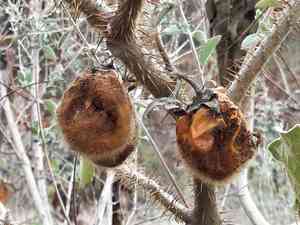
Fuzzy-fruit nightshade (Solanum candidum)
Also known as: None
Fuzzy-fruit nightshade features soft, velvety leaves and stems, often with a pale, ghostly appearance. It produces striking star-shaped flowers that contrast with its light foliage. This plant thrives in sunny areas and prefers well-drained soil. Its drought-resistant qualities make it hardy and low-maintenance, embodying resilience and adaptability.
In This Article
Attributes of Fuzzy-fruit nightshade
Lifespan
Perennial
Plant Type
Shrub
Plant Height
Not well documented
Spread
Not well documented
Leaf Color
Green
Flower Size
Not well documented
Flower Color
Typically white, but not well documented
Images of Fuzzy-fruit nightshade
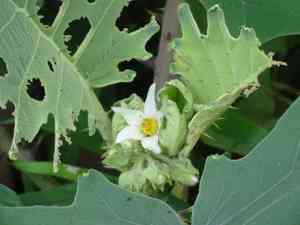
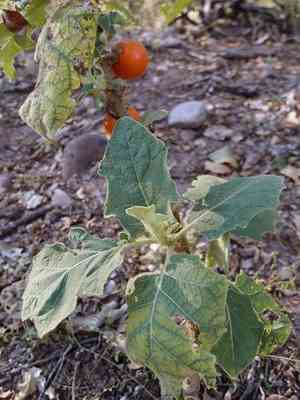


Quickly Identify Fuzzy-fruit nightshade
1
Identification can rely on characteristics common to Solanum species, such as its morphology including leaf shape, color, and flower structure, although specifics for Solanum candidum are not widely detailed.
Scientific Classification of Fuzzy-fruit nightshade
Phylum
Vascular plants
Class
Dicotyledons
Order
Solanales
Family
Nightshade
Genus
Nightshades
Species
Fuzzy-fruit nightshade
Planting and Growing of Fuzzy-fruit nightshade
Care Difficulty
Moderate
Watering Schedule
Every 3 days
Sunlight Requirements
Partial sun
Sunshine Duration
4-8 hours
Ideal Temperature
68-77℉
Soil Type
Potting Mix, Peat Mix
Soil pH
5.5-7.5
Fertilizer Type
Balanced
Pruning Season
Spring, Summer
Pruning Area
Branches, Leaves
Pruning Frequency
2 times a year
Repotting Season
Spring
Pot Type
Plastic, Ceramic
 How to Water Fuzzy-fruit nightshade?
Solanum candidum requires a steady and balanced watering routine. Ensure that the soil is evenly moist but not waterlogged. Typically, water around 250 ml each time, ensuring it penetrates the root area for optimal absorption.
What are the symptoms of an underwatered Fuzzy-fruit nightshade?
›
What should I do if my Fuzzy-fruit nightshade is not getting enough water?
›
What are the symptoms of an overwatered Fuzzy-fruit nightshade?
›
How to save an overwatered Fuzzy-fruit nightshade?
›
 What Are the Sunlight Requirements for Fuzzy-fruit nightshade?
Partial sun is ideal for Solanum candidum, offering enough light for photosynthesis without risking heat damage. This lighting balance supports healthy growth and development in the plant.
What is the ideal amount of sunlight?
›
How can you ensure Solanum candidum receives ideal lighting?
›
What benefits result from ideal sunlight exposure?
›
 What Is the Ideal Temperature Range for Fuzzy-fruit nightshade?
The ideal temperature for Solanum candidum is between 68°F and 77°F. This range supports optimum growth and flowering. Within this temperature bracket, the plant's metabolic processes, such as photosynthesis and respiration, are well-balanced, leading to robust foliage and healthy fruiting. It is important to monitor the temperature to ensure it does not deviate from this range, as prolonged exposure to unsuitable temperatures can affect growth negatively.
 What Soil is Best for Fuzzy-fruit nightshade?
Solanum candidum thrives in well-draining soil to prevent root rot. Ample drainage ensures that water does not stagnate around the roots, allowing the plant to absorb nutrients efficiently and maintain robust growth. This plant benefits from soil rich in organic matter, which provides essential nutrients and retains moisture. Organic matter like compost improves soil structure, fostering strong root development and enhancing plant vitality. A moderately fertile soil supports the optimal growth of Solanum candidum without risking excess nutrient buildup. Balanced fertility ensures the plant receives adequate nutrition without stress from oversupply, promoting healthy foliage and blooms.
 How to Fertilize Fuzzy-fruit nightshade?
The Solanum candidum requires an appropriate amount of nutrients to thrive. It is generally recommended to provide 25-30 ml of liquid fertilizer per plant during its active growing season. For slow-release fertilizers, use about 50-60 grams per application, distributed evenly across the soil surface.
 How to Prune Fuzzy-fruit nightshade?
Ensure your pruning tools are sharpened and sanitized before starting. Dull tools can crush branches and lead to unsightly damage, while unsanitized tools can spread disease. Use pruning shears for small branches and a pruning saw for thicker stems. Start by removing any dead, damaged, or diseased parts of the plant. Then, move on to any branches that are crossing or tangled, as these can inhibit growth and cause damage. Aim for an open structure to allow light to reach inner foliage and flowers. To maintain an aesthetically pleasing shape, step back often to assess your work. Trim back branches to just above a leaf node to encourage new growth. If the plant has a specific form you wish to maintain, use stakes or ties to train new growth accordingly. Dispose of all removed material properly to prevent disease spread. Clean your tools with alcohol or a bleach solution after use to maintain their effectiveness and prevent cross-contamination.
More About Pruning Techniques→
 How to Propagate Fuzzy-fruit nightshade plant?
1
Start by soaking the seeds in warm water for 24 hours to soften the seed coat. This pre-treatment can enhance germination rates by allowing moisture to penetrate more effectively.
2
Select healthy, disease-free stems from the parent plant. Using pruning shears, cut a 4-6 inch piece just below a node, ensuring the cutting has at least a couple of leaves.
3
Dip the base of your cuttings in rooting hormone to stimulate root development. Plant the cuttings in a moistened potting mix, and cover the container with a plastic bag to retain humidity.
 How to Repot Fuzzy-fruit nightshade plant?
1
Solanum candidum signals its need for repotting when roots become visible at the pot's drainage holes or when the growth rate seems to slow down. Additionally, if the soil appears degraded or compacted, it's time to consider a new pot for your plant. Repotting should typically be done during early spring or summer, coinciding with the plant’s active growing phase.
2
Select a pot that is one size larger than the current one, ensuring it has adequate drainage holes. This helps in preventing waterlogging, which can harm the roots. A slightly larger pot allows the roots to spread, promoting healthy growth and reducing the frequency of repotting.
3
Opt for a well-draining potting mix rich in organic matter. A balanced mix helps retain necessary moisture while providing adequate air circulation to the roots. This reduces the risk of root rot, ensuring your Solanum candidum thrives in its new home.
Toxicity
Ingestion
WARNING
The judgment on toxicity and danger is for reference only. We DO NOT GUARANTEE any accuracy of such judgment. Therefore, you SHALL NOT rely on such judgment. It is IMPORTANT TO SEEK PROFESSIONAL ADVICE in advance when necessary.
Learn More About Fuzzy-fruit nightshade Diseases
Anthracnose
Bacterial Leaf Spot
Bacterial Soft Rot
Bacterial Wilt
Damping-off
Downy Mildew
Drought Stress
Fusarium Wilt
Gray Mold
Late Blight
Leaf Curl
Leaf Spot
Mosaic
Nutrient Deficiency
Nutrient Toxicity
Powdery Mildew
Root Rot
Root-knot Nematode
Sooty Mold
Spider Mites
Temperature Stress
Thrips Damage
White Mold



