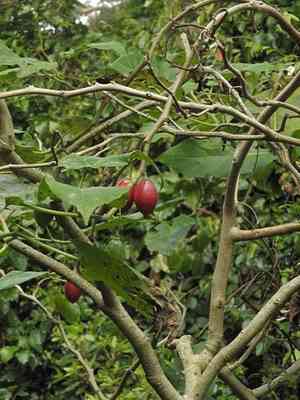
Tamarillo (Solanum betaceum)
Also known as: Tamarillo, Tree Tomato
The tamarillo (Solanum betaceum), commonly known as the tree tomato, is a small tree or shrub that belongs to the nightshade family and originates from the Andes. This plant can reach heights of up to 5 meters. Its edible fruit, which resembles a tomato, comes in a variety of colors including yellow, orange, red, and purple. Tamarillos are widely cultivated in subtropical regions globally.
Attributes of Tamarillo
Images of Tamarillo
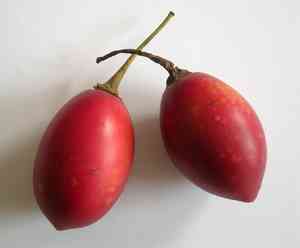
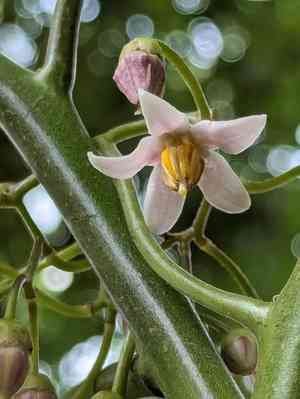
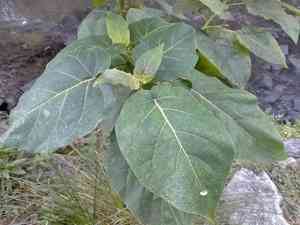
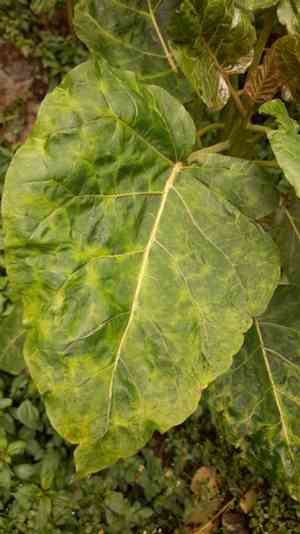
Quickly Identify Tamarillo
Scientific Classification of Tamarillo
Planting and Growing of Tamarillo
 How to Water Tamarillo?
 What Are the Sunlight Requirements for Tamarillo?
 What Is the Ideal Temperature Range for Tamarillo?
 What Soil is Best for Tamarillo?
 How to Fertilize Tamarillo?
 How to Prune Tamarillo?
 How to Propagate Tamarillo plant?
 How to Repot Tamarillo plant?
Toxicity of Tamarillo
Is Tamarillo toxic to humans?
Tamarillo possesses a low level of toxicity for humans, mainly when ingested. The whole plant contains toxic elements, with the immature leaves and unripe fruit presenting the highest threat. Although the ripe fruit has considerably less toxicity, it is still essential to remain vigilant. If the toxic components are consumed, individuals could suffer from gastrointestinal issues such as nausea, vomiting, and diarrhea. It is vital for individuals to steer clear of unintentional consumption of the more toxic parts of the plant, especially the immature leaves and unripe fruit, in order to avert these unpleasant and potentially dangerous effects.
Is Tamarillo toxic to cat?
Tamarillo poses a moderate toxicity threat to felines. Should a cat consume any sections of the plant, particularly the tender leaves or unripe fruit, it may suffer negative health repercussions, as these specific parts are notably toxic. While the ripe fruit of the tamarillo is deemed less hazardous, it remains important to treat it with caution. In the event of accidental ingestion, a cat might exhibit general signs of unease or illness. It is essential for cat owners to restrict access to tamarillo and promptly obtain veterinary assistance if their pet manifests any distress, as this could indicate potential poisoning.
Is Tamarillo toxic to dog?
Tamarillo presents a moderate toxicity risk to dogs. Canines might unintentionally consume parts of the plant, which can result in poisoning. The entire plant contains toxic compounds, with young leaves and unripe fruit being especially hazardous. Although the ripe fruit poses a lower risk, it is still essential to deter dogs from eating any part of the tamarillo. Signs of poisoning in dogs may include gastrointestinal distress, vomiting, diarrhea, and fatigue. If you suspect your dog has ingested tamarillo, it is crucial to seek prompt veterinary attention to ensure the best possible outcome for your furry friend.



