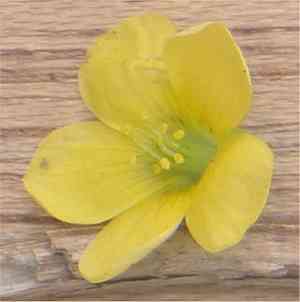
Sloanea (Sloanea) (Sloanea)
Also known as: Sloanea tree
Elaeocarpus is a genus of flowering plants within the Elaeocarpaceae family, consisting of approximately 150 species.
In This Article
Attributes of Sloanea (Sloanea)
Lifespan
Perennial
Plant Height
15 to 25 meters
Spread
10 to 20 meters
Leaf Color
Dark green
Flower Size
5 to 10 centimeters
Flower Color
White, pink, or red
Images of Sloanea (Sloanea)
Quickly Identify Sloanea (Sloanea)
1
Sloanea species are identified by their glossy, evergreen leaves and large, showy flowers. The flowers usually have numerous stamens and appear in clusters. The fruits are typically capsules that split open to release seeds.
Scientific Classification of Sloanea (Sloanea)
Phylum
Magnoliophyta
Class
Magnoliopsida
Order
Oxalidales
Family
Elaeocarpaceae
Genus
Sloanea
Planting and Growing of Sloanea (Sloanea)
Care Difficulty
Hard
Watering Schedule
Every 2 days
Sunlight Requirements
Partial sun
Sunshine Duration
4-8 hours
Ideal Temperature
65-75℉
Soil Type
Potting Mix, Peat Mix
Soil pH
5.5-7
Fertilizer Type
Balanced
Pruning Season
Spring, Summer
Pruning Area
Branches, Leaves
Pruning Frequency
Once a year
Repotting Season
Spring
Pot Type
Plastic, Terracotta
 How to Water Sloanea (Sloanea)?
Sloanea prefers well-drained and evenly moist soil, which means you'd need about 500 ml of water each session. This should be enough to soak the soil without causing it to become waterlogged. Always aim for moist, not soggy conditions.
What are the symptoms of an underwatered Sloanea (Sloanea)?
›
What should I do if my Sloanea (Sloanea) is not getting enough water?
›
What are the symptoms of an overwatered Sloanea (Sloanea)?
›
How to save an overwatered Sloanea (Sloanea)?
›
 What Are the Sunlight Requirements for Sloanea (Sloanea)?
Partial sun with shade is ideal for Sloanea, simulating its natural habitat. This balance promotes strong growth, vibrant foliage, and overall plant health by providing enough light for energy while avoiding sun stress.
What is the optimal lighting for Sloanea?
›
How can you ensure Sloanea receives ideal lighting?
›
What benefits does ideal lighting provide for Sloanea?
›
 What Is the Ideal Temperature Range for Sloanea (Sloanea)?
The ideal temperature range for Sloanea species is between 65°F and 75°F. This range provides the most favorable conditions for photosynthesis and growth, allowing the plant to thrive and maintain its natural vigor in a controlled environment.
 What Soil is Best for Sloanea (Sloanea)?
Sloanea thrives in loamy soil that retains moisture without becoming waterlogged. This helps in providing adequate hydration to the plant, thus supporting its lush growth and overall health. Rich soil with organic matter is essential for Sloanea, as it supplies necessary nutrients that promote vigorous growth and robust flowering. This ensures the development of a strong, resilient plant. Well-draining soil prevents root rot, a common issue in overly wet conditions. Adequate drainage ensures that Sloanea's roots receive sufficient oxygen, promoting healthy root and plant development.
 How to Fertilize Sloanea (Sloanea)?
When fertilizing Sloanea, aim for a moderate amount. Use about 10-15 grams of balanced liquid fertilizer per liter of water. For slow-release fertilizers, apply approximately 50-60 grams per tree, depending on the size and age. Too little might stunt growth, while too much can damage the roots.
 How to Prune Sloanea (Sloanea)?
Begin by using clean, sharp pruning shears to remove any dead or damaged branches. Trim back overgrown areas and shape the plant according to your desired aesthetic. Make cuts at a slight angle just above a node or bud to encourage new growth. Avoid removing more than one-third of the plant at a time to prevent stress.
 How to Propagate Sloanea (Sloanea) plant?
1
Choose healthy, disease-free branches or seeds for propagation. The source plant should be mature, displaying vigorous growth, which will ensure that the cuttings or seeds have the best chance of successfully developing into a new plant.
2
Prepare a well-draining propagation medium, such as a mix of perlite and peat moss or fine bark, to provide optimal conditions for root development. The medium should retain moisture without becoming waterlogged.
3
For cutting propagation, cut a 4-6 inch section from the tip of a healthy stem, ensuring there are a few leaves attached. Remove any leaves near the base of the cutting to prevent rot when inserted into the medium.
 How to Repot Sloanea (Sloanea) plant?
1
Sloanea should be repotted when you notice roots protruding from drainage holes or the soil becoming difficult to moisten. Repotting is best timed when new growth begins, indicating the plant’s active growth phase.
2
Select a pot that is one size larger than the current one, with adequate drainage holes to prevent waterlogging. A slightly larger pot encourages healthier root expansion and provides more nutrients through fresh soil.
3
Choose a well-draining and rich compost mix to support Sloanea's nutrient needs. This soil mix ensures proper drainage, minimizes root rot risk, and supplies essential minerals for robust growth.
Learn More About Sloanea (Sloanea) Diseases
Anthracnose
Bacterial Leaf Spot
Bacterial Soft Rot
Bacterial Wilt
Black Spot
Chemical Injury
Crown Gall
Cyst Nematode
Damping-off
Downy Mildew
Drought Stress
Fusarium Wilt
Gray Mold
Leaf Curl
Leaf Spot
Mosaic
Nutrient Deficiency
Nutrient Toxicity
Powdery Mildew
Root Rot
Root-knot Nematode
Rusts
Sooty Mold
Spider Mites
Temperature Stress
Thrips Damage
White Mold

